

Latest Stories

Welcome! Log in to stay connected and make the most of your experience.
Your membership has expired. Renew now to continue enjoying exclusive benefits and uninterrupted access.
Couldn’t find an account with that email address, please sign up.
The Cipher Brief: National Security news, analysis and expert commentary.
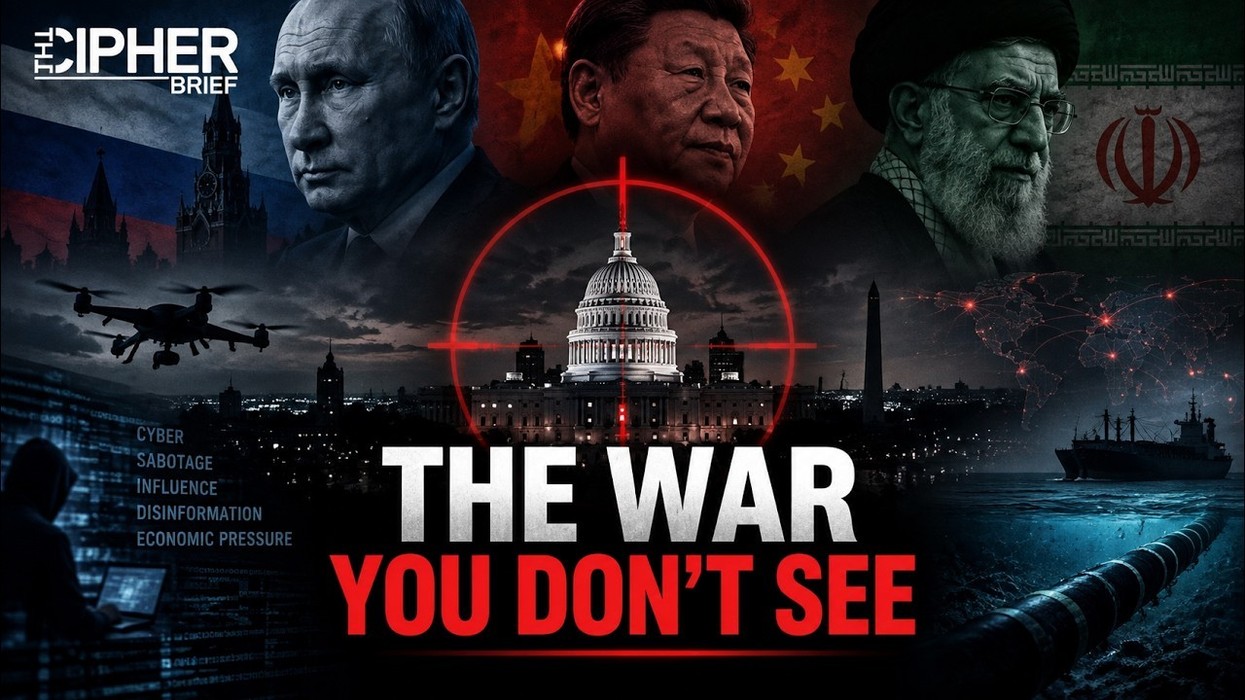
How America’s Adversaries Compete Across Peace and War
Rather than seeking decisive battlefield victory, U.S. adversaries are using long-term pressure campaigns to erode American power, autonomy, and resolve.
Author’s Note: This article does not introduce “Endless Warfare” as another term in an already crowded national security lexicon. It examines an [...] More
Global Intelligence Report for Wednesday, June 3, 2026
Trump names Housing chief Bill Pulte as acting Director of National Intelligence
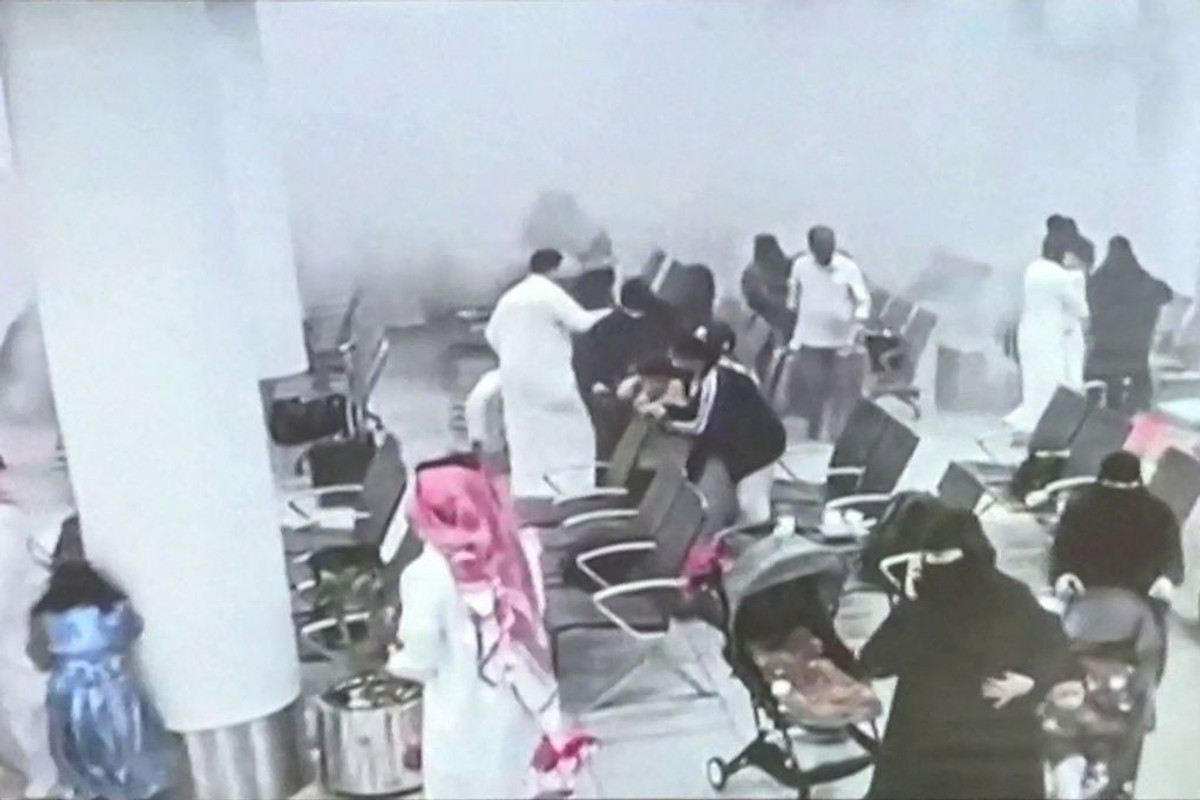
U.S., Iran clash in Persian Gulf as Kuwait and Bahrain come under attack
CIA and ODNI feud over turf and mission, reportedly disrupting intelligence collaboration
Trump signs a narrowed AI executive order to increase government oversight
Access Today’s ReportEvents
Live Events
2026 Threat Conference
Upcoming: 25 October, 2026
Popular
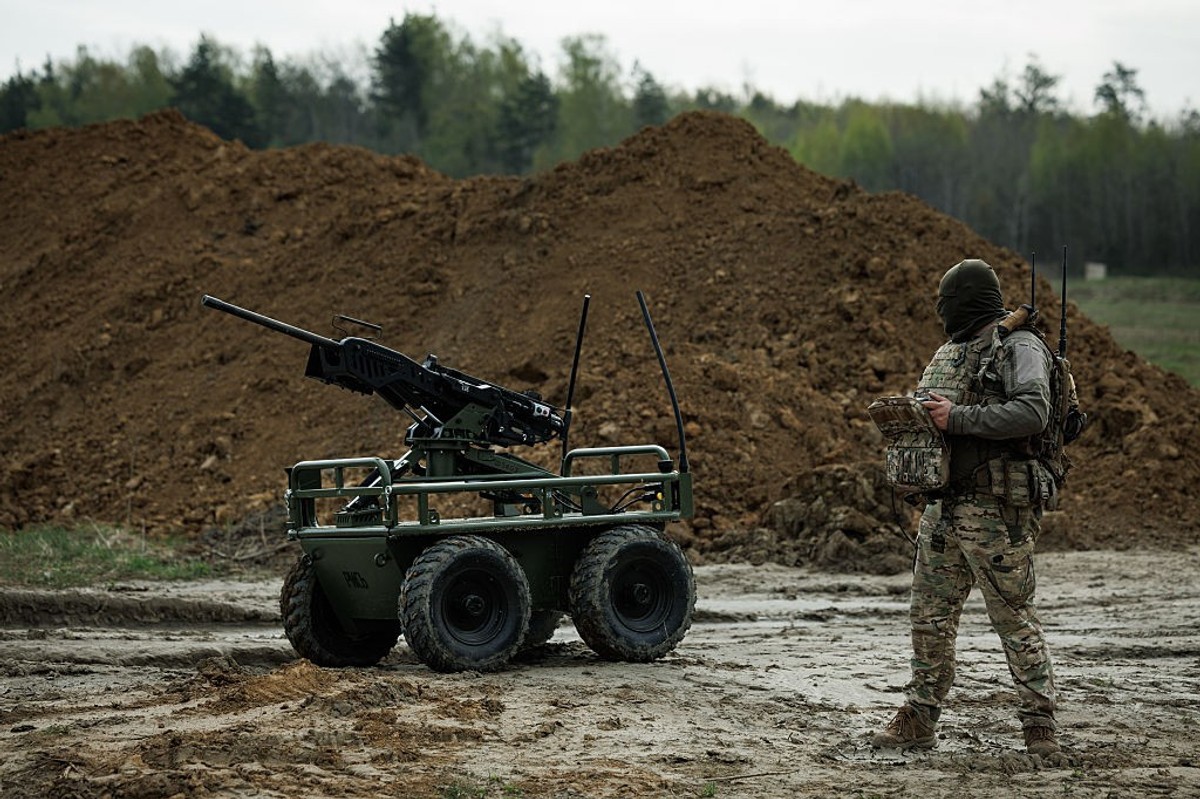
AI, Autonomous Weapons, and the Pentagon’s $55 Billion Bet on Future War
Narco-Terrorism as Grey-Zone Warfare: Pakistan’s Hidden Front Against India
Before Funding a Record Defense Budget, Congress Should Demand Answers on Iran
Part II: When a Machiavellian and a Charismatic Met
Podcasts
State Secrets
What happens when artificial intelligence, climate disruption, geopolitical rivalry, and information warfare collide?
In this episode of the State Secrets Podcast, Cipher Brief CEO Suzanne Kelly sits down with retired Admiral James Stavridis and bestselling author and former Marine Eliot Ackerman to discuss their new novel, 2084—the final installment in their acclaimed trilogy that began with 2034 and 2054.
Drawing on decades of military, intelligence, and geopolitical experience, Stavridis and Ackerman explore a future shaped by climate-driven migration, AI-powered conflict, surveillance, shifting global power centers, and the growing competition for influence in the Arctic and beyond. They explain how fiction can serve as a strategic warning, helping readers imagine future crises before they become reality.
The conversation also examines the risks of cognitive warfare, autonomous weapons, U.S.-China tensions, democratic resilience, and why—despite the challenges ahead—the authors remain cautiously optimistic about humanity’s ability to navigate the century's biggest threats.
If you care about the future of national security, technology, and global stability, this is a conversation you won't want to miss.
What the Experts Say
For general inquiries please email info@thecipherbrief.com