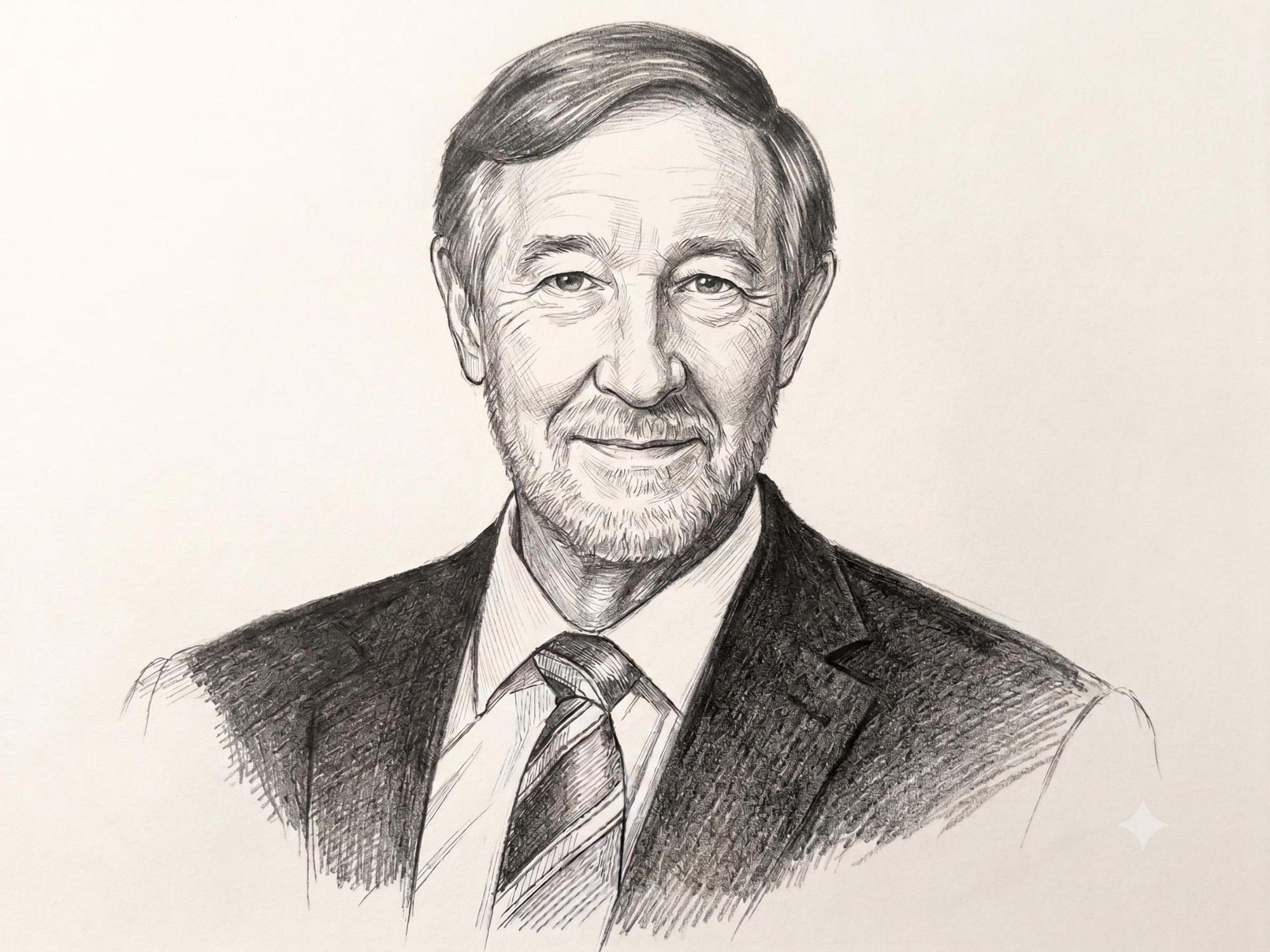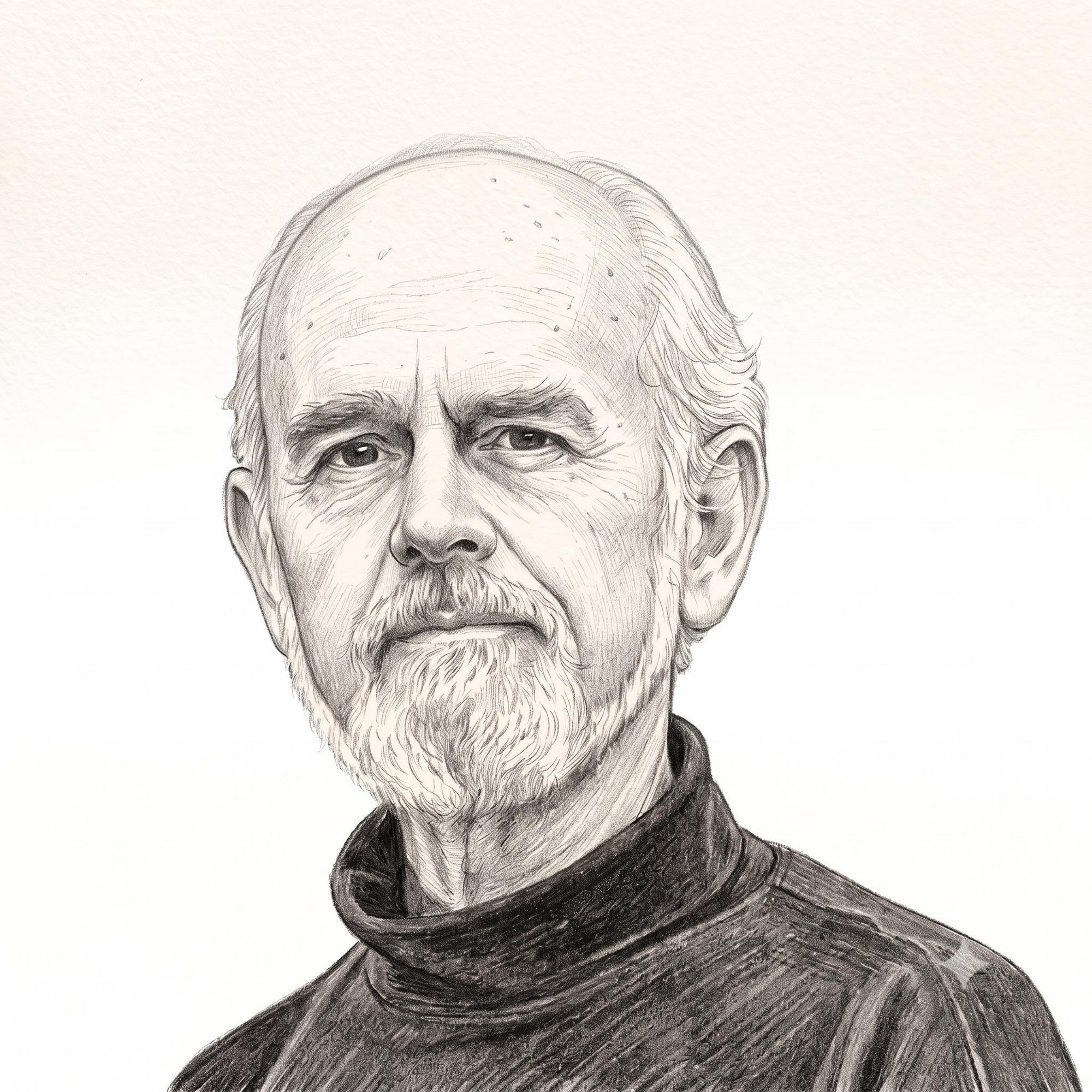

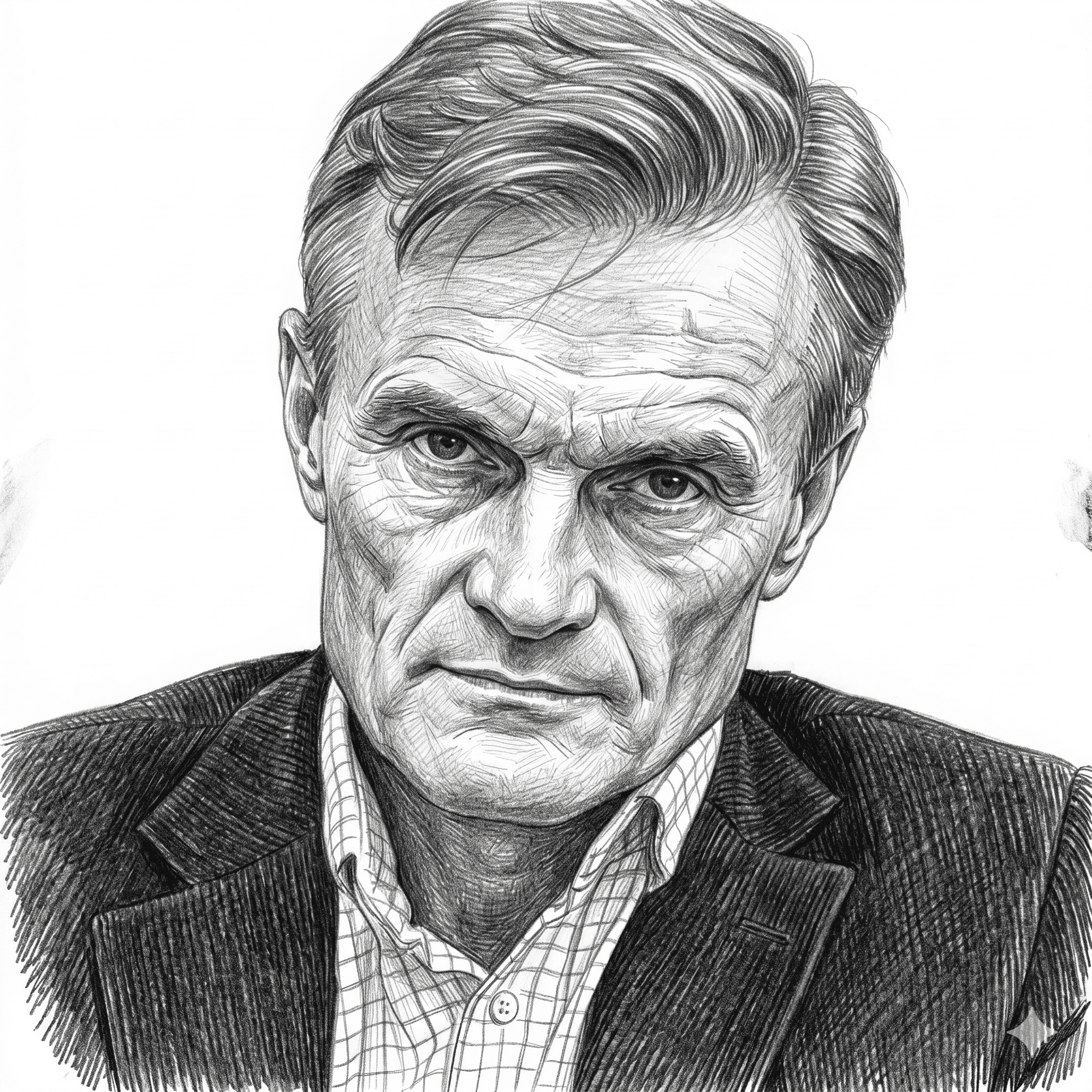
Sir Alex Younger died earlier this week at the age of 62. He had been fighting cancer for some time.
Alex was Chief of the Secret Intelligence Service (SIS, more popularly MI6) from 2014 to 2020. For most past and present MI6 officers, he was the best-loved Chief anyone had known.
One reason for this was that Alex had risen through the ranks. A good MI6 head does not need to have done so. But there is an undoubted advantage in a humint service to have a leader like Alex who has spent years operating under alias and diplomatic cover, who has had gritty operational discussions with a bewildering variety of foreign liaison services. Who has done his time as a desk officer in Century House and Vauxhall Cross, managing the egos of superiors, colleagues and officers in stations overseas. Who knows what it’s like waiting under alias in the hotel of some god-forsaken place, wishing he was back in Britain with his beloved wife and family.
A second reason was that Alex was a thinker. He had a strong set of values and beliefs and was happy to talk about them. He was a believer in the Enlightenment – the ideas circulating in Europe and elsewhere in the 18th century, advocating reason, challenging superstition and prejudice. He believed that these ideas had brought humanity to a better place and would continue to do so; that those who resisted reason and enlightenment should be challenged and never yielded to. I suspect as a young man he left the army to join MI6 because he could better – and more enjoyably – fight that fight.
But he also thought about national security and where it needed to be in the twenty first century. For him MI6 could not just dig itself into a humint trench, carrying on as before, on the assumption that all that mattered was people. A humint service that was not engaged with science and technology, threats and opportunities, was going to become a museum piece, and a rarely visited one at that.
A speech he gave as Chief 8 years ago at his old university, St Andrews in Scotland, showed he had been thinking deeply about AI – now on everyone’s minds. He was clear that a modern humint service had to engage with technology and the nature of hybrid conflict. “We and our allies face a battle to make sure technology works to our advantage, not to that of our opponents,” he said. “Liberal democracies should approach this with confidence”.
The third reason was that Alex was an unusually likeable human being. He was a spy. When an agent is going to accept tasking from an intelligence officer, the agent needs first and foremost to trust the officer: their competence and integrity. After that, the agent is looking for someone he or she likes: someone who has a good sense of humour, who understands you, convinces you this is the right thing to do. Alex was unusually strong in all these respects. He was a fine case officer.
And these strengths translated to the increasingly demanding leadership roles he took on: head of station in Kabul, Director Counter-Terrorism, Director-General Operations and finally, Chief. Alex was well known for walking the corridors, talking to staff of all grades. This meant that people across the organisation felt valued. They could say whatever they wanted to him, the franker the better. It meant that Alex, as leader, learned stuff that perhaps his immediate leadership team had not shared with him. He knew what everyone working for him did and what they needed to do it. He was the most approachable of people. He did not set out to intimidate or impress you with how busy or important he was. Noone had greater humility. It was a different, but entirely successful, type of leadership.
Alex also believed in partnership. Relationships with the rest of the British intelligence community – with MI5 and GCHQ – were made deeper and broader. So were relationships with the police, military and other government departments. Strategic cooperation with foreign liaison partners was strengthened. Of particular importance to Alex was the relationship with the US. Operational cooperation with the CIA had been important for much of his career, and he valued the unique intelligence sharing and cooperation between the two countries. It was in the US that Alex sought a possible solution to his last illness, and in the US that he passed away.
Alex’s wisdom and foreign affairs experience were highly valued by a succession of British prime ministers – Cameron, May, Johnson. After retiring from public life, he built up quite a following in Britain of people impressed by his occasional media appearances, providing unique insights into the increasingly bewildering international landscape. Friends would ask me if I’d heard “what that Alex Younger had to say on the telly last night”. He talked sense.
He apparently nicknamed his cancer “Putin”.
For the time being, all that family, friends and colleagues – including secret agents – can do is mourn the painfully premature passing of – to use an old-fashioned term – a true gentleman. Longer term, Alex’s memory must inspire people to believe in and defend liberal democracy.
The Cipher Brief is committed to publishing a range of perspectives on national security issues submitted by deeply experienced national security professionals. Opinions expressed are those of the author and do not represent the views or opinions of The Cipher Brief.
Have a perspective to share based on your experience in the national security field? Send it to Editor@thecipherbrief.com for publication consideration.
Read more expert-driven national security insights, perspective and analysis in The Cipher Brief