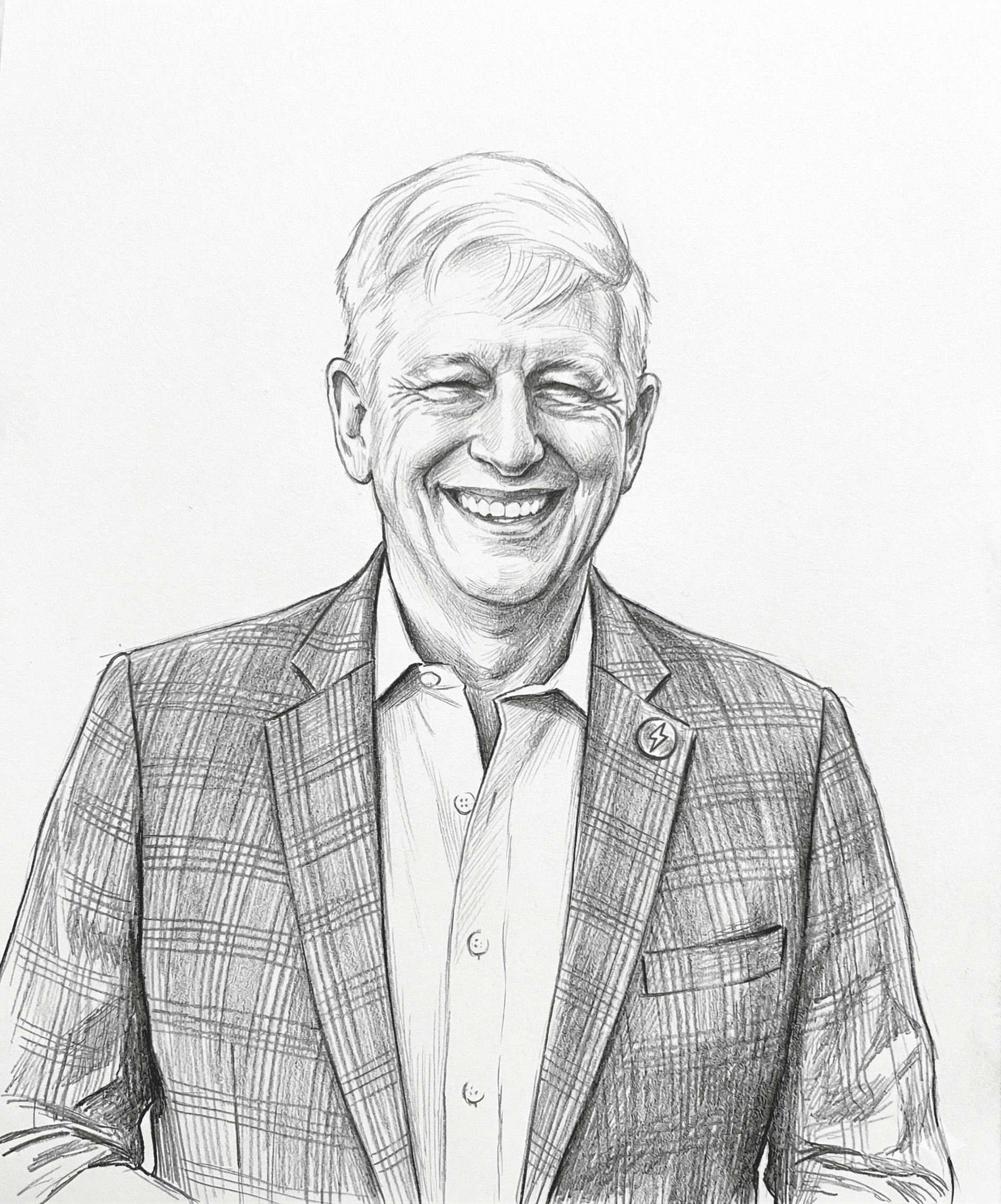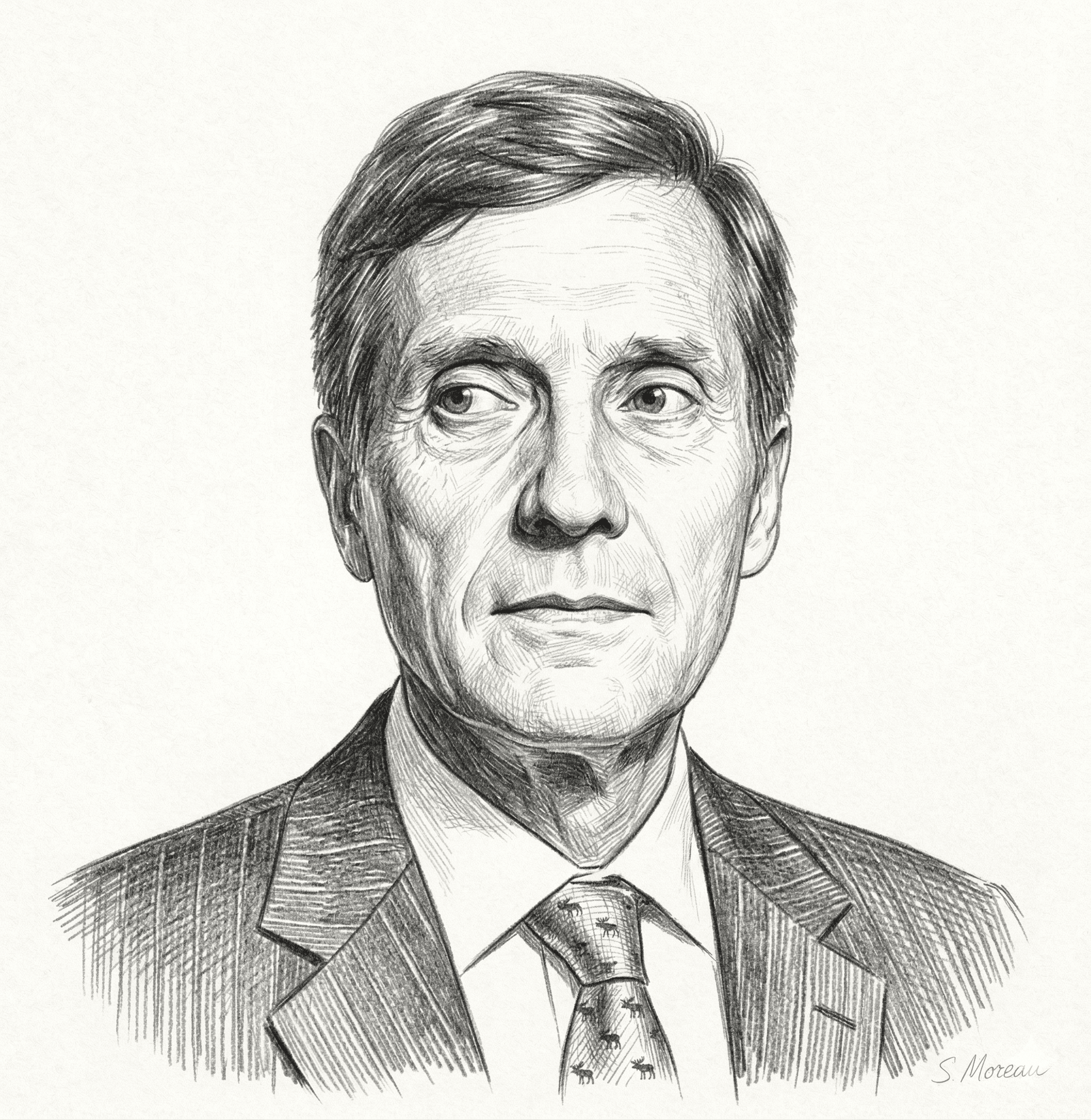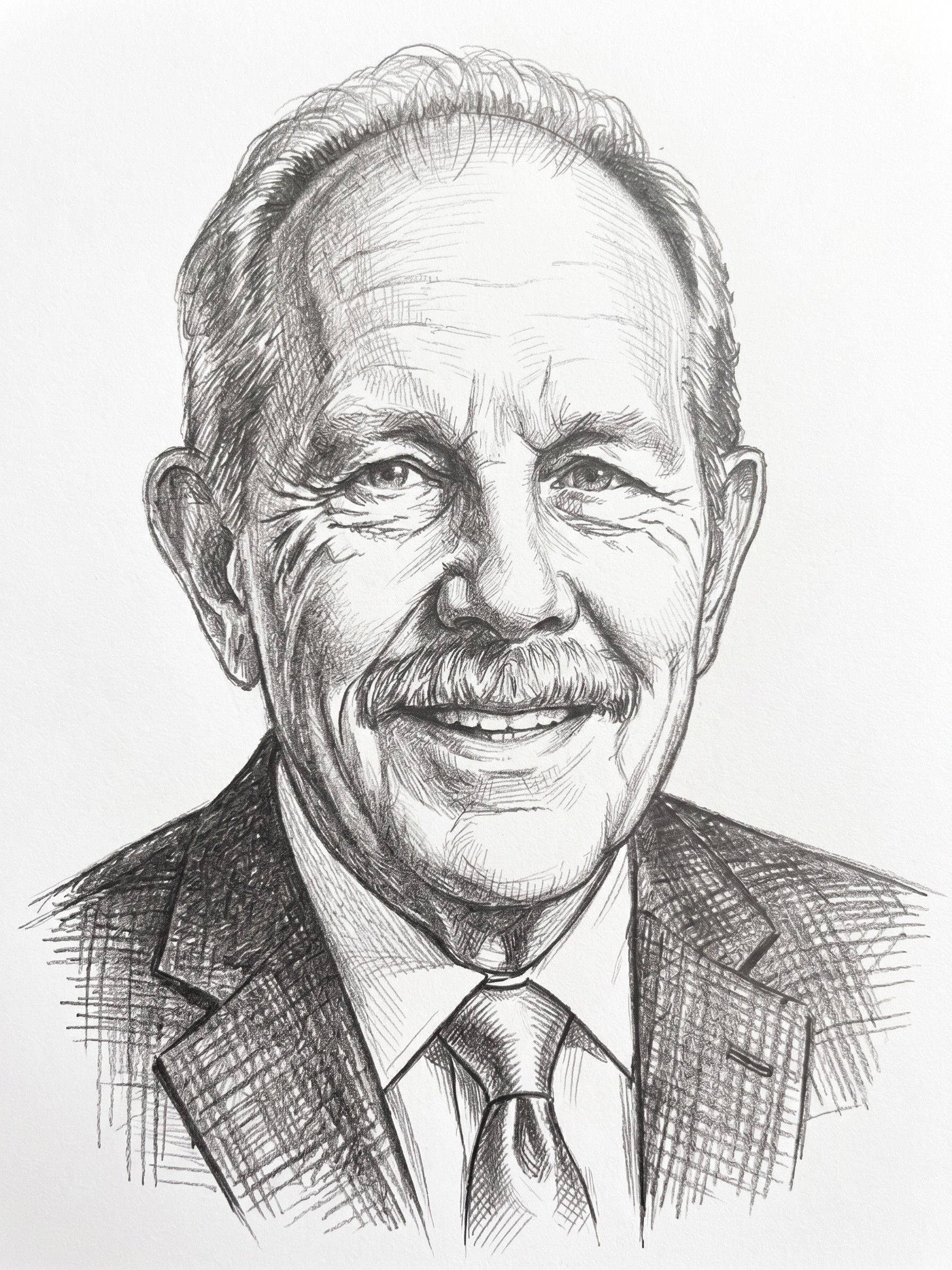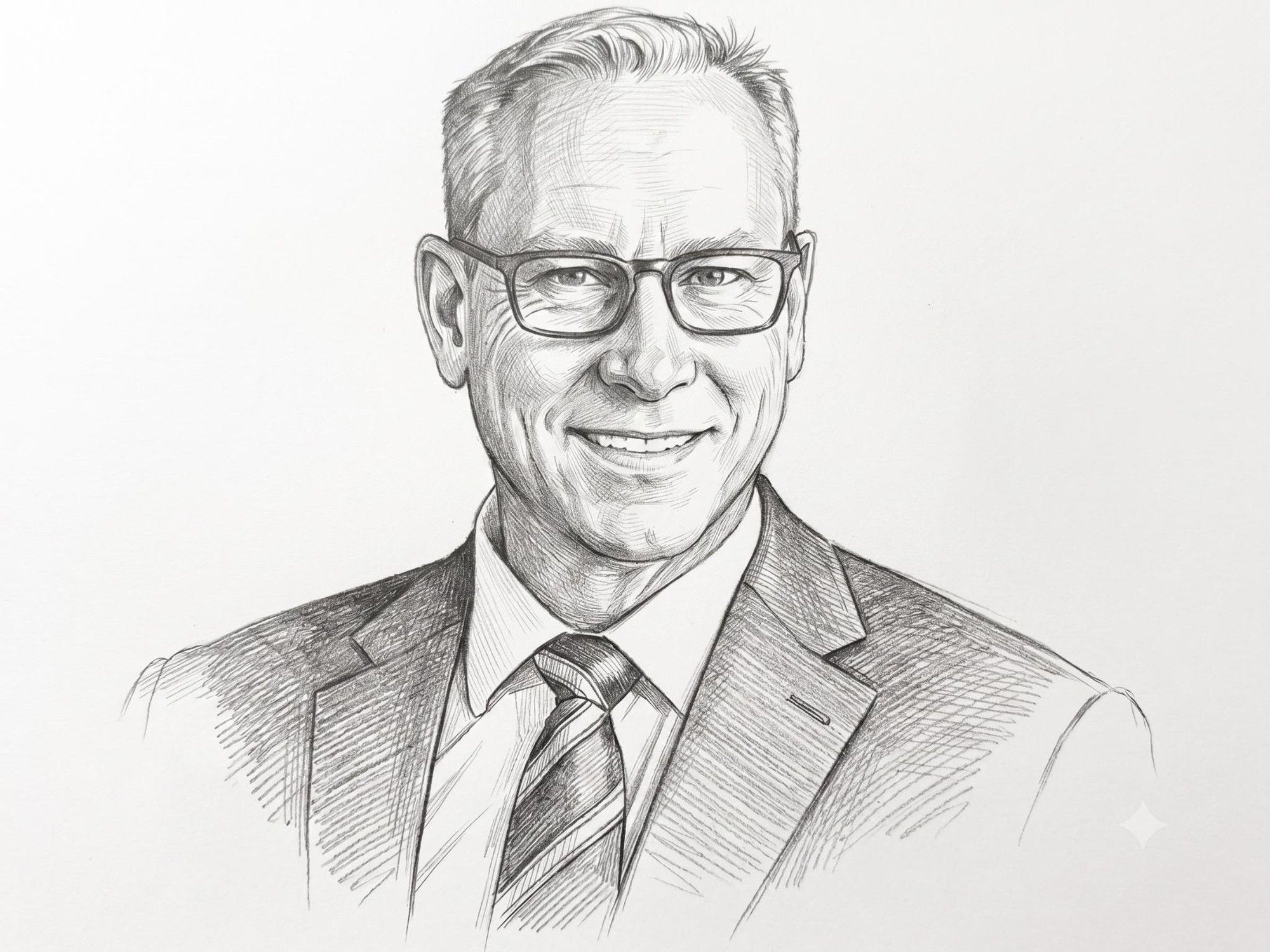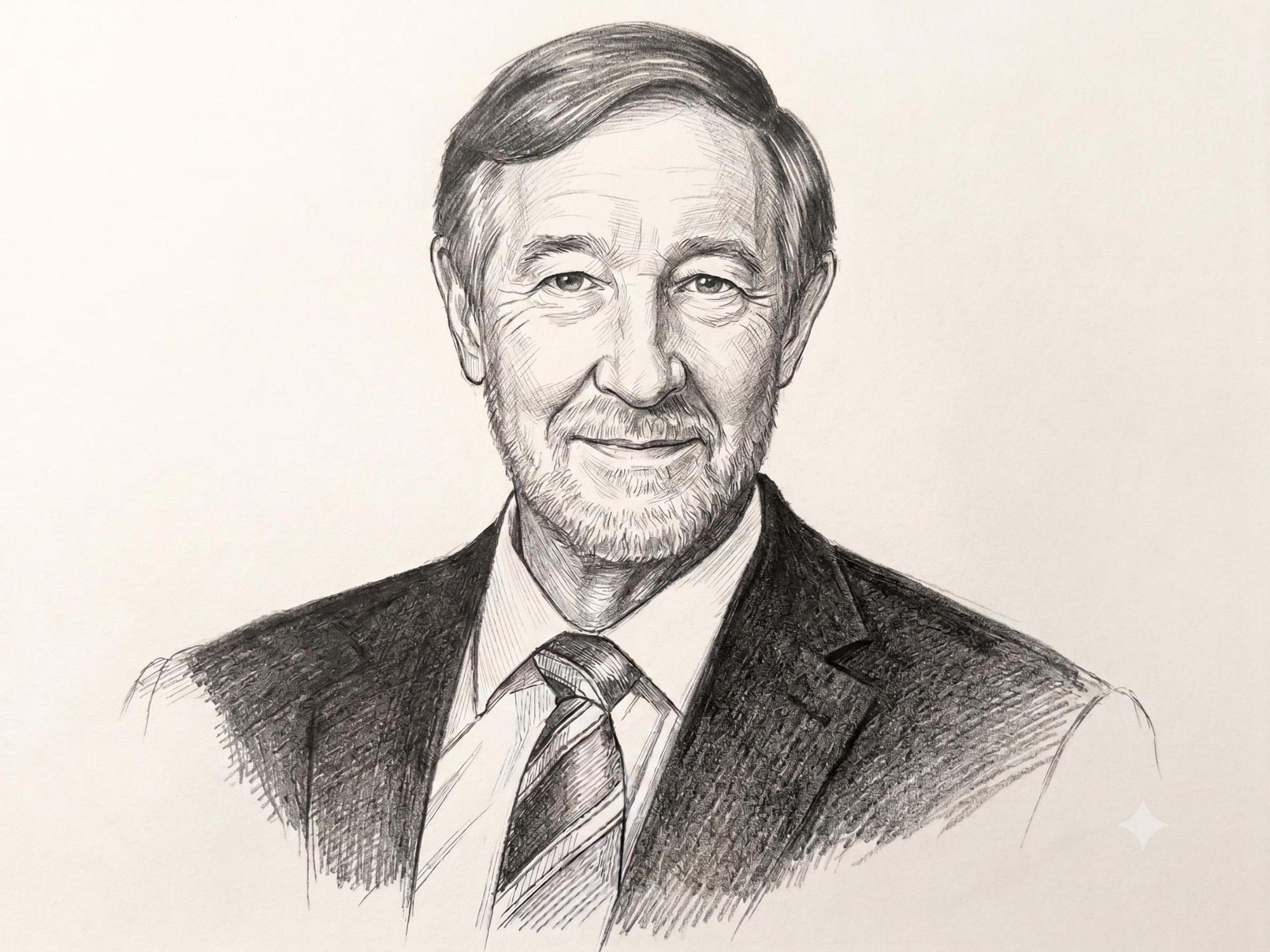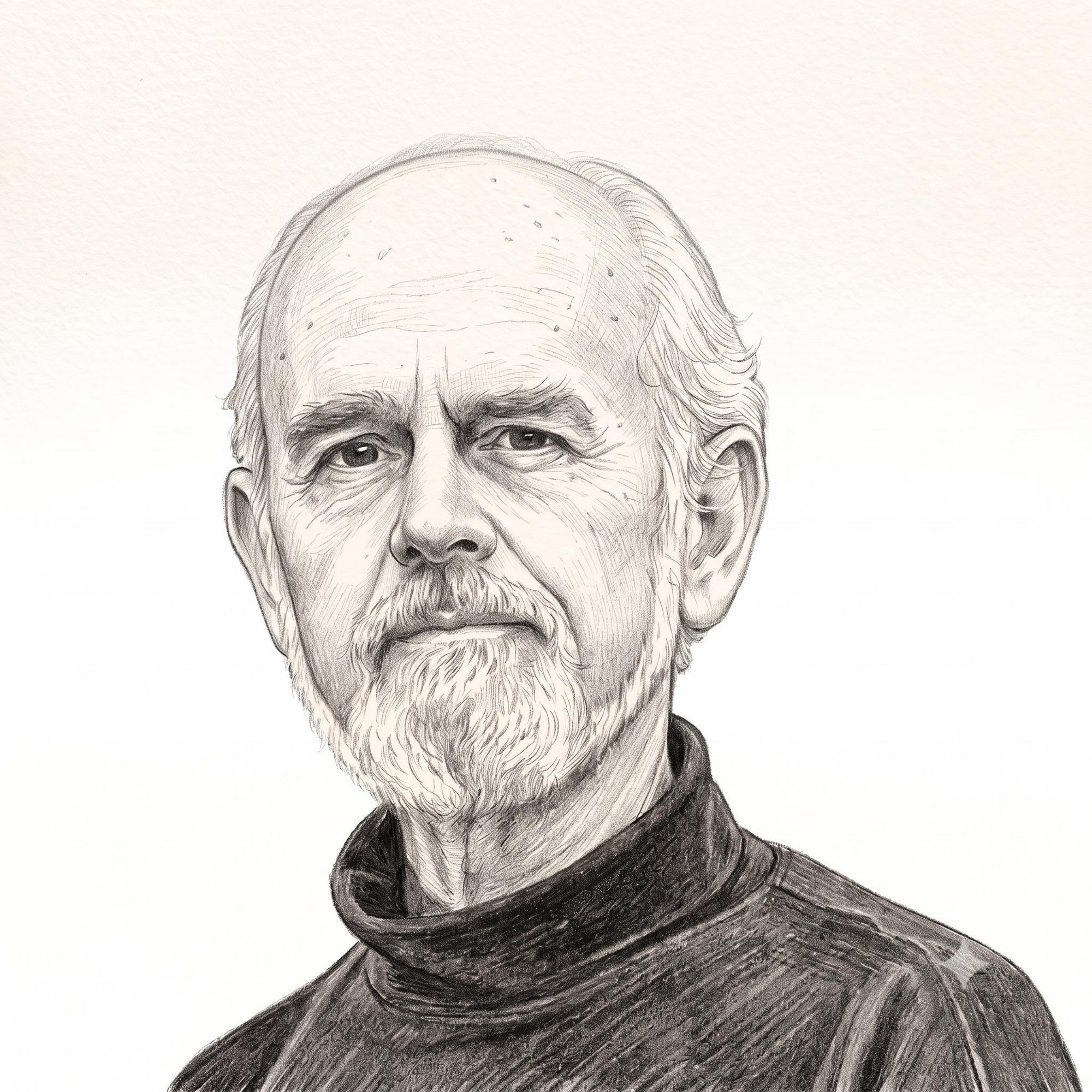

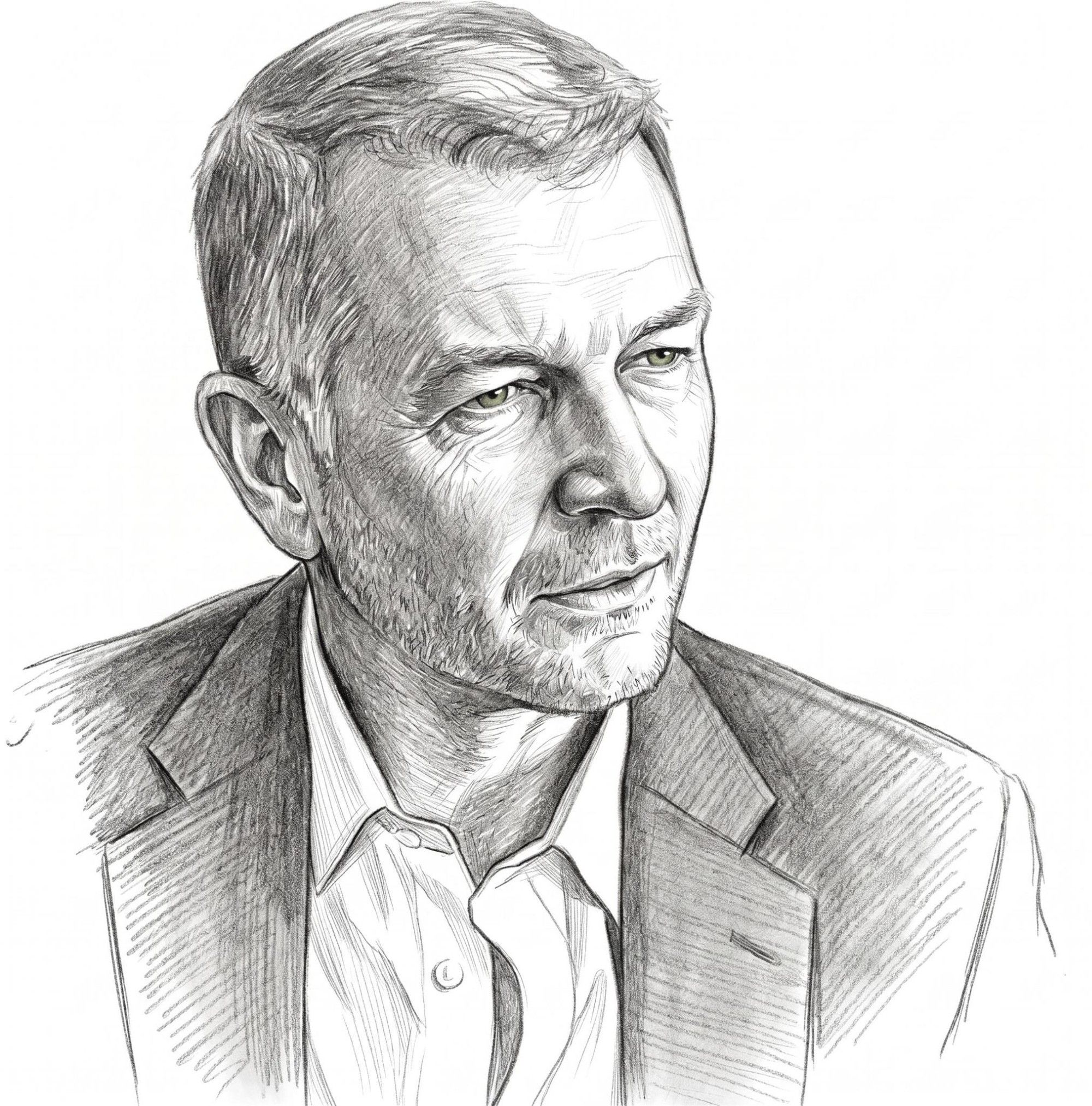
I don't want to write about Sir Alex Younger, my predecessor as Chief of SIS.
I want to write about my friend.
I had known about Alex's cancer from the outset, while I was still Chief. He treated it with his customary irreverence and wit. He nicknamed his tumour "Putin". At one stage he took to sporting a lapel badge bearing the words "I'm not dead yet". Sarah, his wife, persuaded him not to wear it to the memorial service of a former agent.
I knew he had become dangerously ill in Boston last week. Even so, it still came as a shock to step off a twelve-hour flight to Singapore on Thursday morning and learn that he had died. My immediate thoughts were for Sarah and the family. They had already endured more than any family should when they lost their son Sam in 2019.
Alex and I were almost exact contemporaries. He was a little less than two months younger than me. We spent much of our professional lives travelling along parallel tracks.
We really came to know one another after 9/11, when we were appointed to our first Head of Station jobs. Alex pipped me to the post to get Dubai. I got Kuala Lumpur as a consolation prize.
As it happened, both stations became important nodes in the effort to understand and dismantle the proliferation network established by A.Q. Khan. Working closely with CIA colleagues, Alex and I found ourselves cooperating on one of the most important intelligence operations of that era.
It was during that period that I came to appreciate the characteristics that would define him throughout his career.
Alex was intensely collaborative. He was competitive too, but his competitive instincts were directed entirely towards the mission and the adversary rather than towards colleagues. Underpinning that was a generosity of spirit and a quiet confidence that came from being entirely comfortable in his own skin.
That combination earned him enormous affection.
The wider public came to appreciate Alex through his media appearances after he left SIS. Those of us who had worked with him recognised immediately the qualities the wider public was now seeing: clarity of thought, economy of language and a gift for making complex issues intelligible without oversimplifying them. Few words were wasted. He also possessed a wonderfully dry sense of humour and a gift for the perfectly judged bon mot.
Yet beneath the outward affability was a private man. In many respects Alex was an introvert. His confidence came not from external validation but from self-knowledge. He did not need to dominate a room or win every argument. He knew how and when to delegate. The result was a calm authority that people trusted and wanted to follow.
Those qualities served him exceptionally well during one of the most consequential periods in the modern history of SIS.
As Chief, Alex oversaw a significant reorientation of SIS's counterterrorism effort to confront the rise of ISIS and the threat it posed to the United Kingdom and our allies. The challenge was made all the more acute by the appalling terrorist attacks suffered by the United Kingdom in 2017.
At the same time, he recognised earlier than many that the hostile-state threat had returned. Alongside CIA colleagues, he invested heavily in developing the capabilities of Ukrainian intelligence and security partners years before Russia's full-scale invasion brought the importance of that work into public view.
The attempted murder of Sergei and Yulia Skripal in Salisbury, and the death of Dawn Sturgess, presented another defining challenge. Alex led the intelligence response that helped drive the expulsion of hundreds of Russian intelligence officers operating under diplomatic cover across Europe and beyond, imposing a significant and lasting setback on Russian intelligence operations.
He also ensured that SIS's intelligence relationships with European partners emerged intact from Britain's decision to leave the European Union. At a time when political relationships were often under strain, intelligence cooperation remained strong.
The relationship with the United States occupied a special place in his thinking.
Alex believed deeply in the Anglo-American intelligence partnership and worked closely with John Brennan, Mike Pompeo and Gina Haspel during his tenure. Together with John, he instituted annual gatherings of the senior leadership teams of SIS and CIA, recognising that institutional trust is ultimately built through personal relationships.
He was, however, equally committed to ensuring that the relationship remained a genuine partnership. On the rare occasions when he sensed a tendency in Langley to regard SIS as a particularly capable vetted unit rather than as a strategic partner, he would gently but unmistakably correct the impression.
Alex also recognised earlier than many how profoundly technology would shape intelligence work. The computer science graduate from St Andrews was never far beneath the surface. He understood that operations officers needed to become digitally literate - not only to recognise threats to their operations but also to understand how technology could protect agents and enhance operational effectiveness.
His final major challenge as Chief was Covid. Intelligence services could not simply close their doors and work from home. Operations still had to be run, agents protected and intelligence delivered. The pandemic required a wholesale re-engineering of how SIS functioned while continuing to do its job. Alex led the Service through that period with clarity and compassion.
Looking back now, what I remember most are not the operations, the crises or the offices he held. I remember the humour, the kindness, the judgement and the friendship.
Alex made a profound contribution to SIS and to the country's security. But for those of us fortunate enough to know him personally, the loss feels rather simpler than that.
We have lost a friend.
Watch The Cipher Brief’s Interview with Sir Alex Younger explaining the urgency of the threats facing democracies today in the plain language described by Sir Richard Moore. We are sending our condolences to the Younger Family and to Alex’s broader IC family as well.