

Latest Stories
Welcome! Log in to stay connected and make the most of your experience.
Your membership has expired. Renew now to continue enjoying exclusive benefits and uninterrupted access.
Couldn’t find an account with that email address, please sign up.
The Cipher Brief: National Security news, analysis and expert commentary.
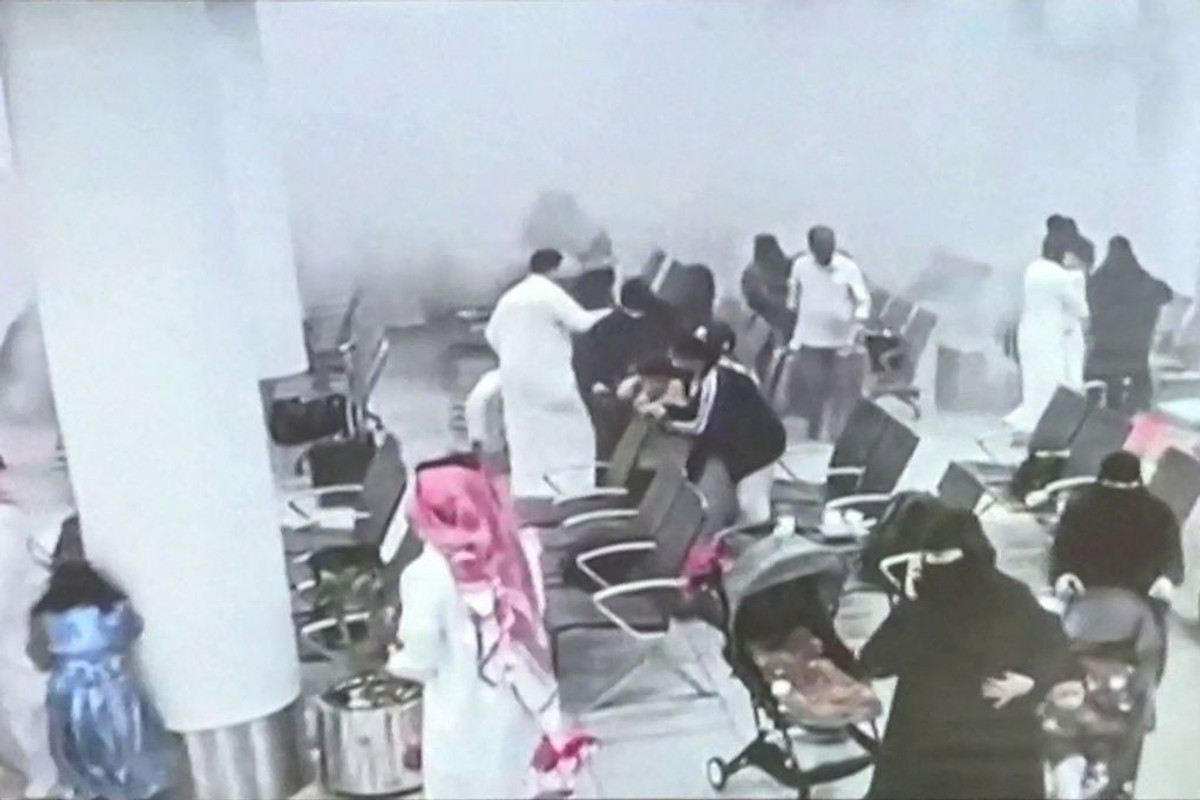
How America Appeased Putin
Before invading Ukraine, Vladimir Putin repeatedly tested the United States. Washington's failure to respond meaningfully convinced the Kremlin that America was weak.
Excerpt from Spies: The Epic Intelligence War Between East and WestWhen Spies was first published in 2023, it made front-page news with the chilling [...] More
Popular
Can America’s All-Volunteer Force Survive the Next War?
We Are In An Unpredictable War Of Attrition
The Bells are Ringing Again, and This Time Sweden is Inside the Alliance
When Policy and War Collapse Into One: Fighting in the Sixth Domain
Not the Destroyer of Worlds: Why Compute is Humanity’s Most Vital Defense
Podcasts
State Secrets
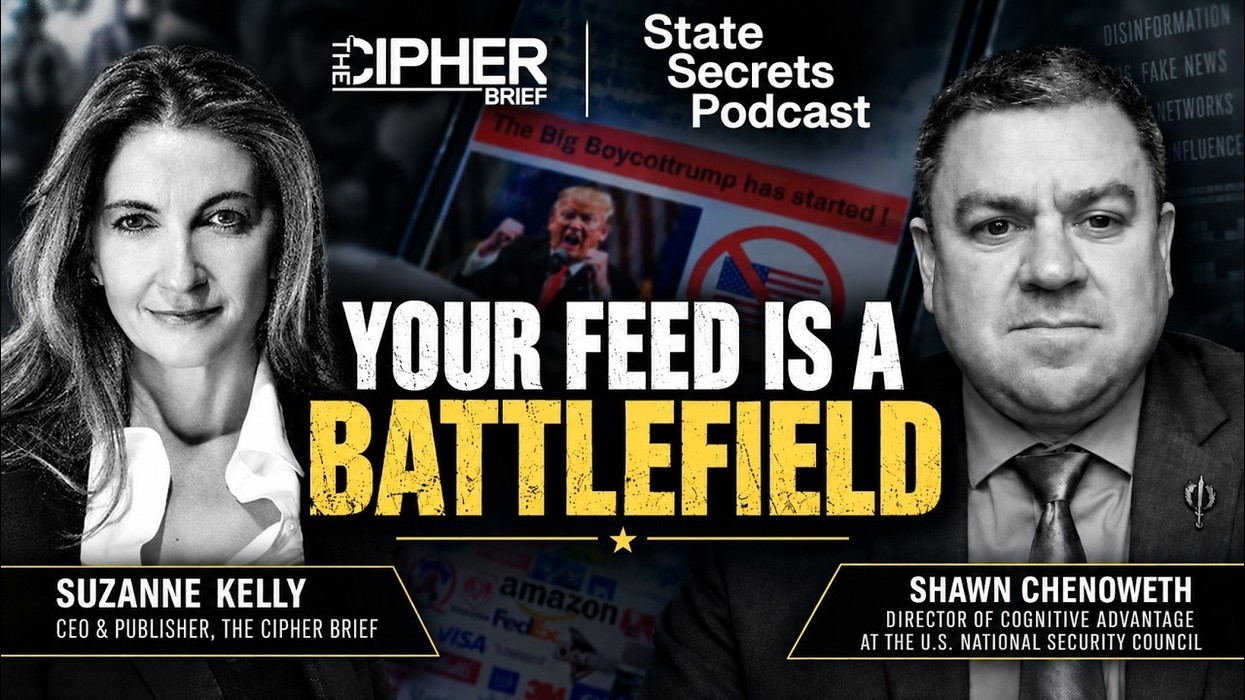
America’s adversaries are fighting a war designed to shape what people see, believe, share—and ultimately do.
Russia, China and Iran are investing billions of dollars in influence operations intended to divide Americans, weaken alliances and alter real-world decisions, often without firing a shot. Artificial intelligence is now giving those campaigns unprecedented speed, scale and precision.
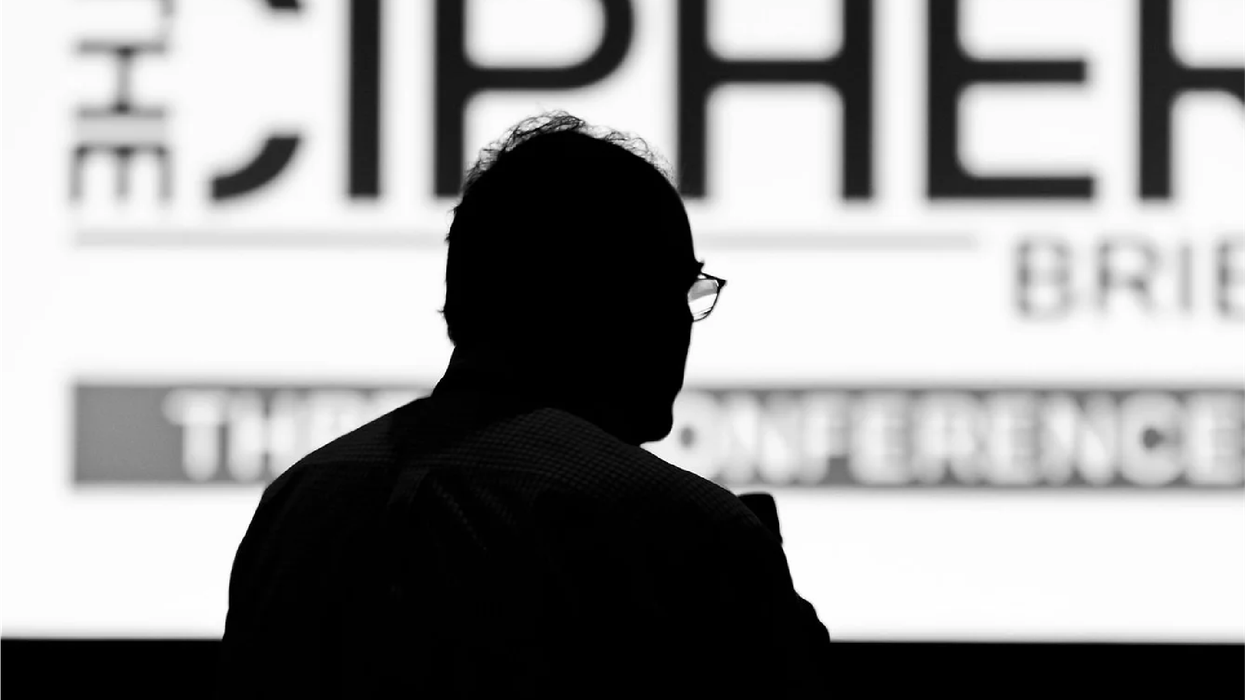
In this episode of The Cipher Brief’s State Secrets Podcast, Suzanne Kelly speaks with Shawn Chenoweth, the National Security Council’s Director for Cognitive Advantage, about the escalating war for perception. Chenoweth explains how foreign powers exploit legitimate grievances, amplify American voices and manipulate social media networks to influence public behavior—sometimes without the people involved realizing they are being used.
They also examine why America abandoned much of its influence infrastructure after the Cold War, how adversaries may be targeting opposition to U.S. data centers and AI development, and why determining who controls the information environment could become one of the defining national security contests of our time.
As Chenoweth warns, America is taking “face shots every day” in this arena—and it is time to start fighting back.
What the Experts Say
“I am struck by how comprehensive and thoughtful The Cipher Brief’s Open Source Report is. It is just as good as the President’s Daily Brief, having spent a decade reading the PDB. And it’s unclassified, too! I'm proud to be part of the network of experts at The Cipher Brief, which provides superb geopolitical advice and intelligence insights.”
Admiral James Stavridis (Ret.)
Admiral Sandy Winnefeld (Ret.), Former Vice Chairman, Joint Chiefs of Staff

The Cipher Brief has become the preeminent information platform for the national security community. I read it, I contribute to it, and I recommend it to military, civilian, and industry partners seeking the most up-to-date and expert analysis of the major issues facing the government, business, and others committed to the security of the nation.
Lieutenant General (Ret.) Guy C. Swann III

"The Cipher Brief is my daily 'must read' for insightful coverage and analysis of national security events. I find the Open Source Report to be a key tool in assessing global geopolitical risk, and illuminating national security challenges in just the right amount of depth. It's the perfect balance. I can read it quickly, but step away feeling I have a solid grasp of the issues and implications. Thanks to the brilliant Cipher Brief Team! "
Lt. Gen. Michael Groen (Ret.)
The Cipher Brief’s Open Source Report is an extraordinary product and an important daily read for situational awareness on national security issues.
General John R. Allen (Ret.)
For general inquiries please email info@thecipherbrief.com