

Rule by proxy just isn’t as simple as the Trump Administration wants to make it sound. While the long-term goals of the Administration in Venezuela are unclear, the tools they appear to want to use are not.
First, the Administration seems to want to dictate policy to the Delcy Rodriguez government through threats of force, which President Trump recently highlighted by suggesting that he had called off a second strike on Venezuela because the regime was cooperating.
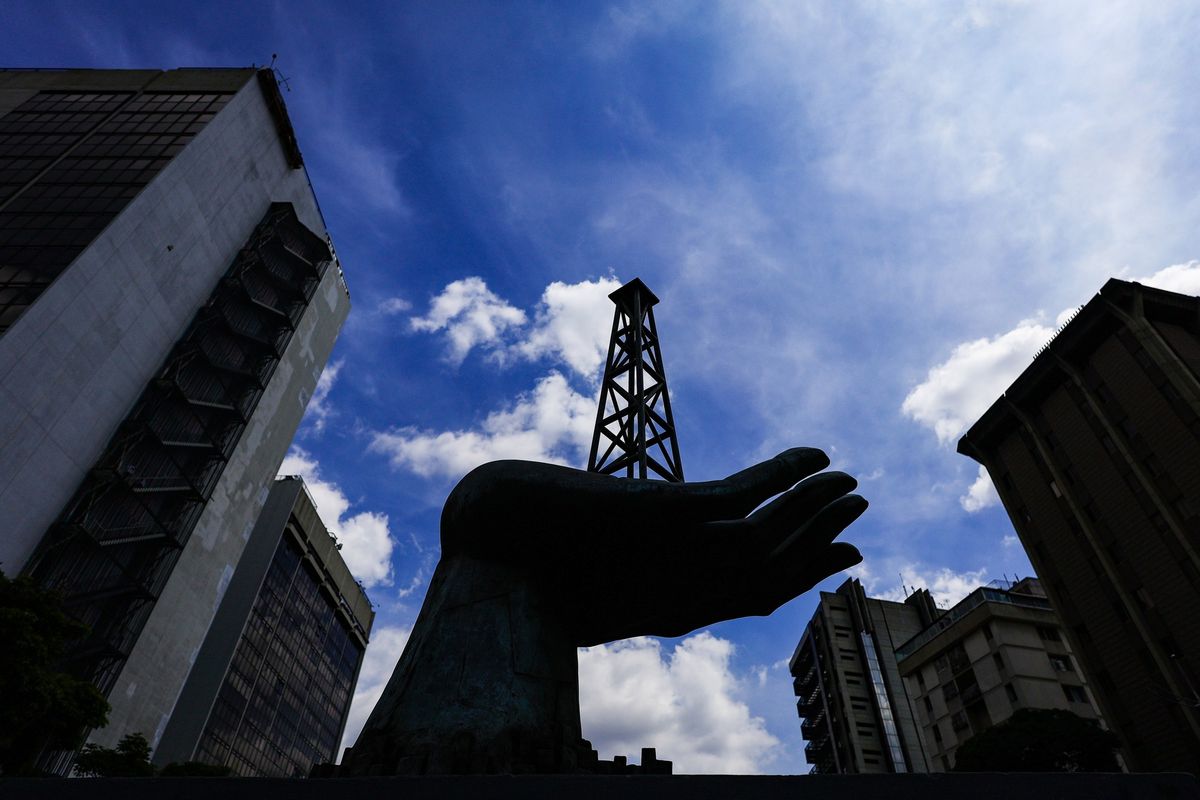
Second, the Trump Administration has stated that it will control the oil sales “indefinitely” to, in the words of the Secretary of Energy, “drive the changes that simply must happen in Venezuela.”
Leaving aside the legality and morality of using threats of armed force to seize another country’s natural resources and dictate an unspecified set of “changes”, this sort of rule from a distance is unlikely to work out as intended.
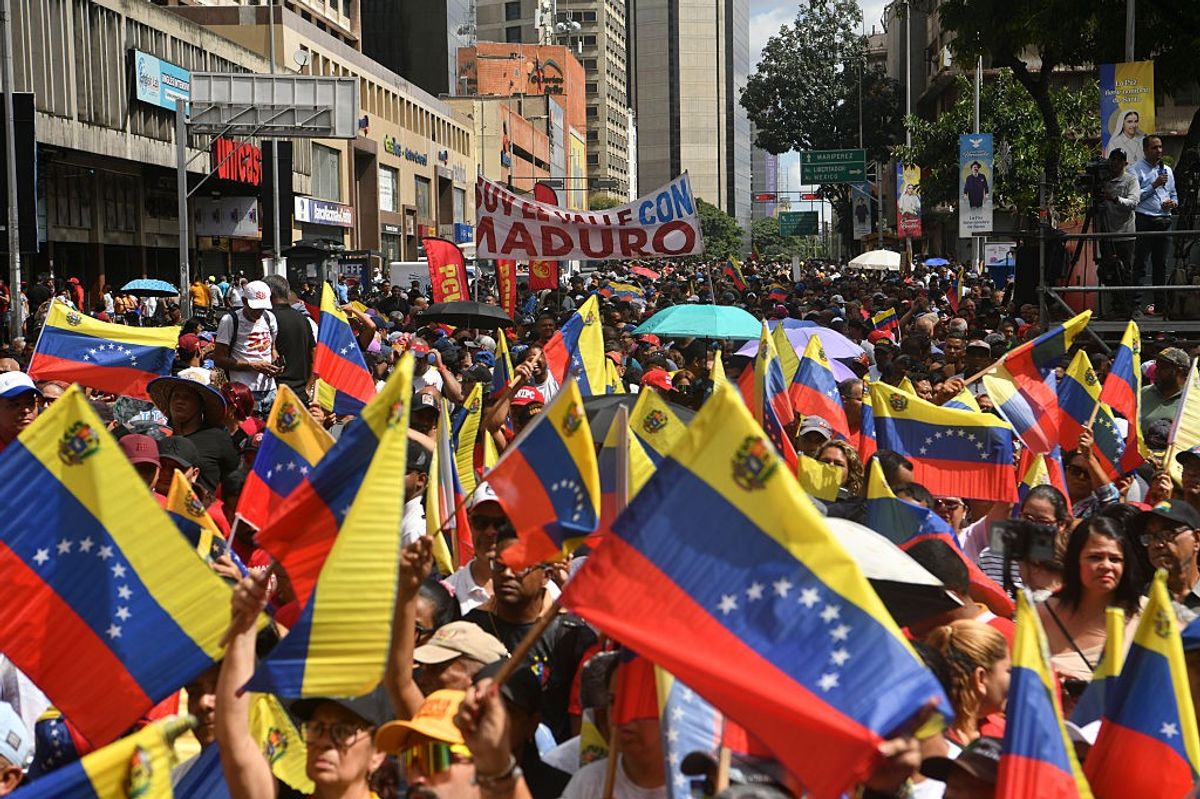
First, attempting to work through the Venezuelan regime will drive a number of choices that the Administration does not appear to have thought through. Propping up an authoritarian regime that is deeply corrupt, violent, and wildly unpopular will over time increasingly alienate the majority of the Venezuelan people and undermine international legitimacy.
Regime leaders, and the upper echelons of their subordinates, are themselves unlikely to quietly depart power or Venezuela itself without substantial guarantees of immunity and probably wealth somewhere else. Absent that, they will have every incentive to throw sand in the works of any sort of process of political transition. Yet facilitating their escape from punishment for their crimes with some amount of their ill-gotten gains is unlikely to be acceptable to the majority of the Venezuelan people.
Elements of the regime have already taken steps to crack down on opposition in the streets. The Trump Administration is going to decide how much of this sort of repression is acceptable. Too much tolerance of repression will harm the already-thin legitimacy of this policy, particularly among the Venezuelan people, the rest of the hemisphere, and those allies the Administration hasn’t managed to alienate. Too little tolerance will encourage street protests and potentially anti-regime violence and threaten regime stability.
The Cipher Brief brings expert-level context to national and global security stories. It’s never been more important to understand what’s happening in the world. Upgrade your access to exclusive content by becoming a subscriber.
Opposition leader Maria Corina Machado has announced that she plans to return to Venezuela in the near future, which could highlight the choices the Administration faces. Some parts of the Rodriguez government will want to crack down on her supporters and make their lives as difficult as possible. The Trump Administration is going to have to think hard about how to react to that.
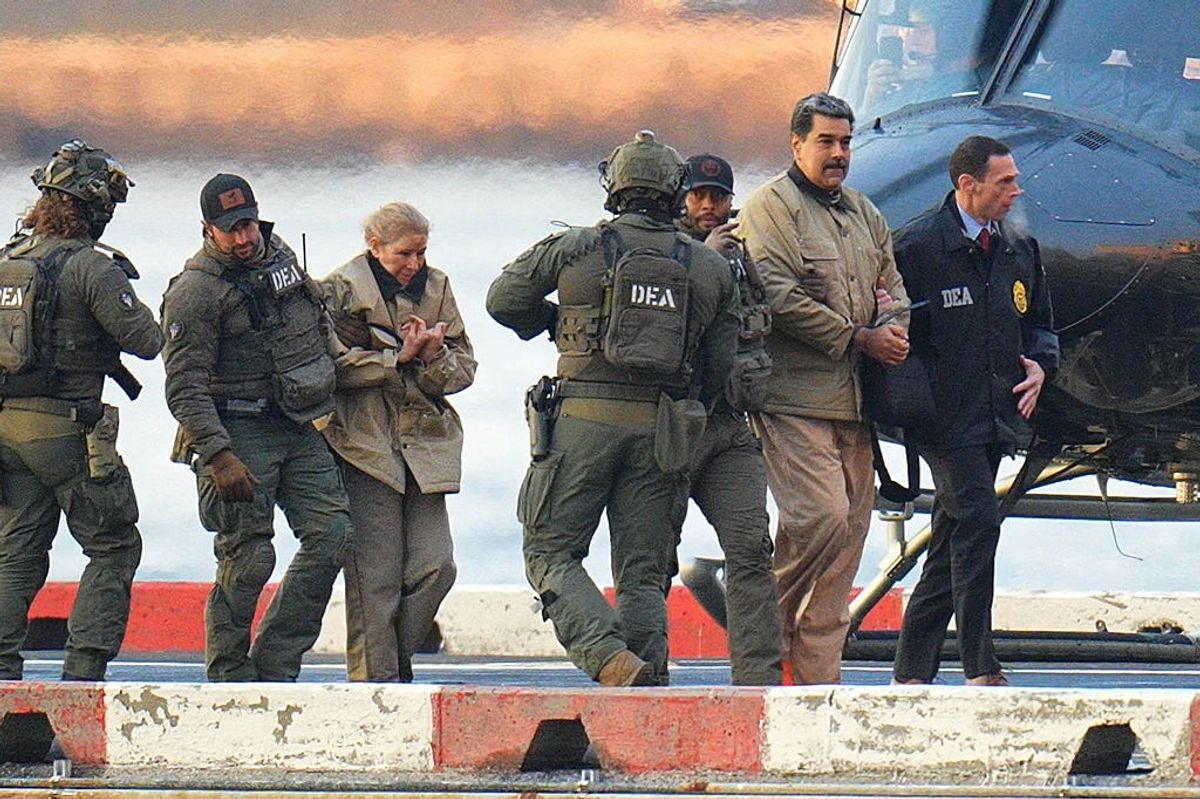
The tools of violence from a distance, or even abductions by Delta Force from over the horizon, are not well calibrated to deal with these dilemmas.
The Venezuelan regime appears to be heavily factionalized and punishing Delcy Rodriguez, which President Trump has threatened, could benefit other factions, for example, the Minister of the Interior or the Minister of Defense, both allegedly her rivals for power.
Unless the Administration can count on perfect intelligence about what faction is responsible for each disfavored action and precisely and directly respond, we are likely to see different factions, and even elements of the opposition, undertake “false flag” activity intended to cause the U.S. to strike their rivals.
Actions to punish or compel the regime also run the risk of collateral damage, in particular civilian casualties which will undermine support for U.S. policy both in Venezuela and abroad and potentially bolster support for the regime. And intelligence on the ground is not going to be perfect and airstrikes or raids will almost certainly cause collateral damage despite the incredible capabilities of the U.S. intelligence community and the U.S. military.
Need a daily dose of reality on national and global security issues? Subscriber to The Cipher Brief’s Nightcap newsletter, delivering expert insights on today’s events – right to your inbox. Sign up for free today.
Secondly, assuming that the Administration doesn’t intend to use the proceeds of sales of Venezuelan oil to build the White House ballroom, it’s unclear what mechanisms they plan to use to ensure that those proceeds benefit the Venezuelan people.
The Venezuelan regime is deeply corrupt. Utilizing the Venezuelan government to distribute proceeds from oil sales is just a way of ensuring that regime elites continue to siphon off cash or use that money to reward their followers, punish their opponents, or coopt potential rivals by buying them off.
Assuming that the U.S. could, in fact, somehow track the vast majority of the funds from oil sales and ensure that they are not misused, this would again undermine the unity and inner workings of a regime built on buying off factions and elites. That would likely encourage those factions to find other ways of extracting funds—for example, increased facilitation of drug shipments or shakedowns of local firms supporting the reconstruction of the oil sector.
Yet the U.S. is not at all likely to have a granular view of what happens to that money. The U.S. intelligence community, while capable of a great many things, cannot track where most of these funds go or who is raking off how much.
In Iraq and Afghanistan, where the U.S. had tens of thousands of soldiers, spies, advisors, and bureaucrats and was directly funding large parts of those governments, staggering levels of corruption existed and at times, helped fund warlords and faction leaders who undermined stability. We even managed to fund our adversaries at times.
In Venezuela, by contrast, we might have an embassy.
Unless the problem of how to monitor where the money goes can be solved, the U.S. will be supporting and funding a corrupt regime that feathers its own nest and undermines the transition to democracy.
Ruling from a distance, or even trying to force a political transition from a distance, drives a number of choices that the Administration clearly hasn’t thought through. And the tools the Administration is choosing to use; force from over the horizon and the control over the flow of some funds, aren’t matched well enough or sufficiently nuanced to accomplish the ends they claim to want to achieve.
Given that, it’s unlikely this will end well.
The Cipher Brief is committed to publishing a range of perspectives on national security issues submitted by deeply experienced national security professionals.
Opinions expressed are those of the author and do not represent the views or opinions of The Cipher Brief.
Have a perspective to share based on your experience in the national security field? Send it to Editor@thecipherbrief.com for publication consideration.
Read more expert-driven national security insights, perspective and analysis in The Cipher Brief, because national security is everyone’s business.