


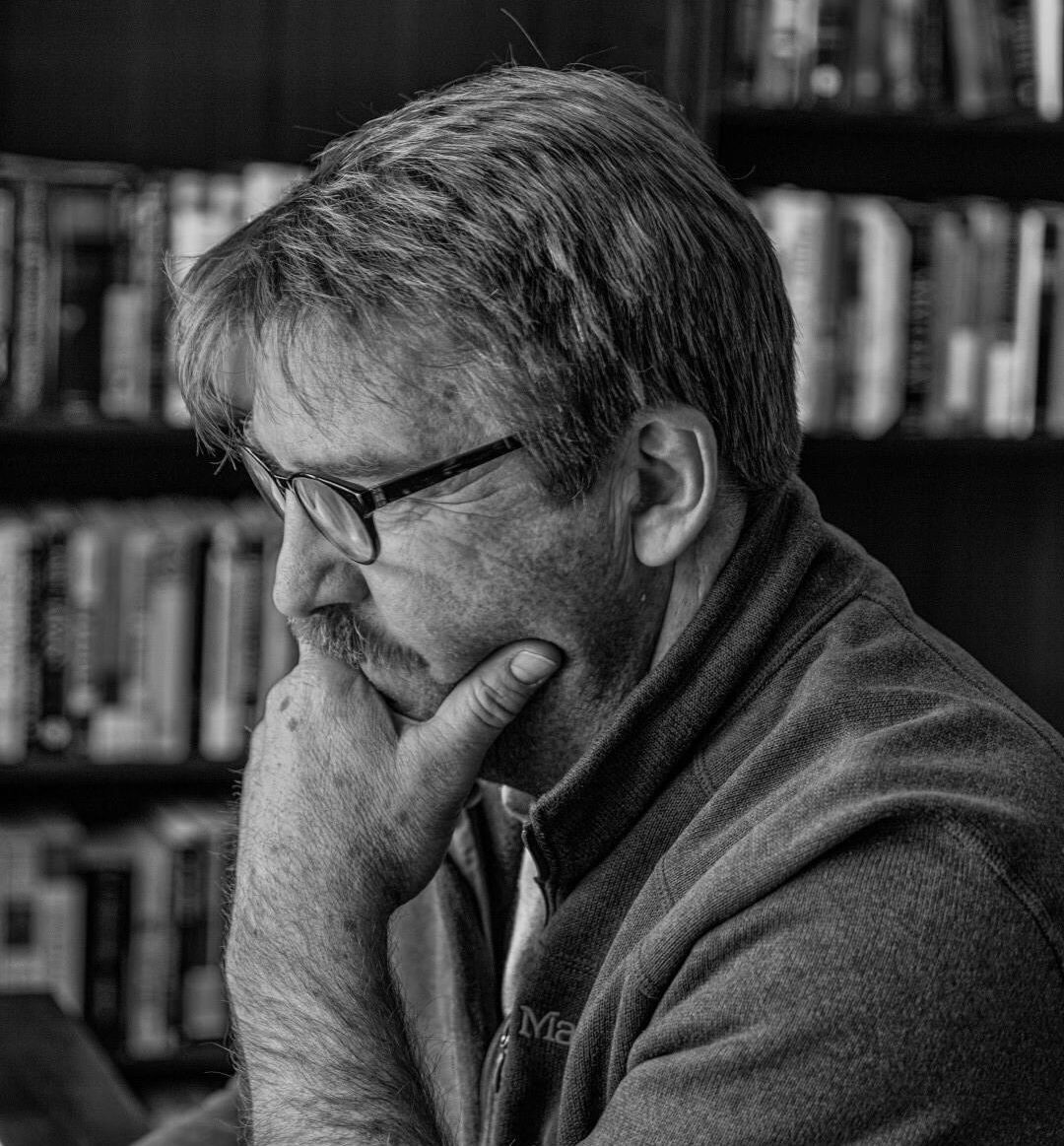
Paul Kolbe
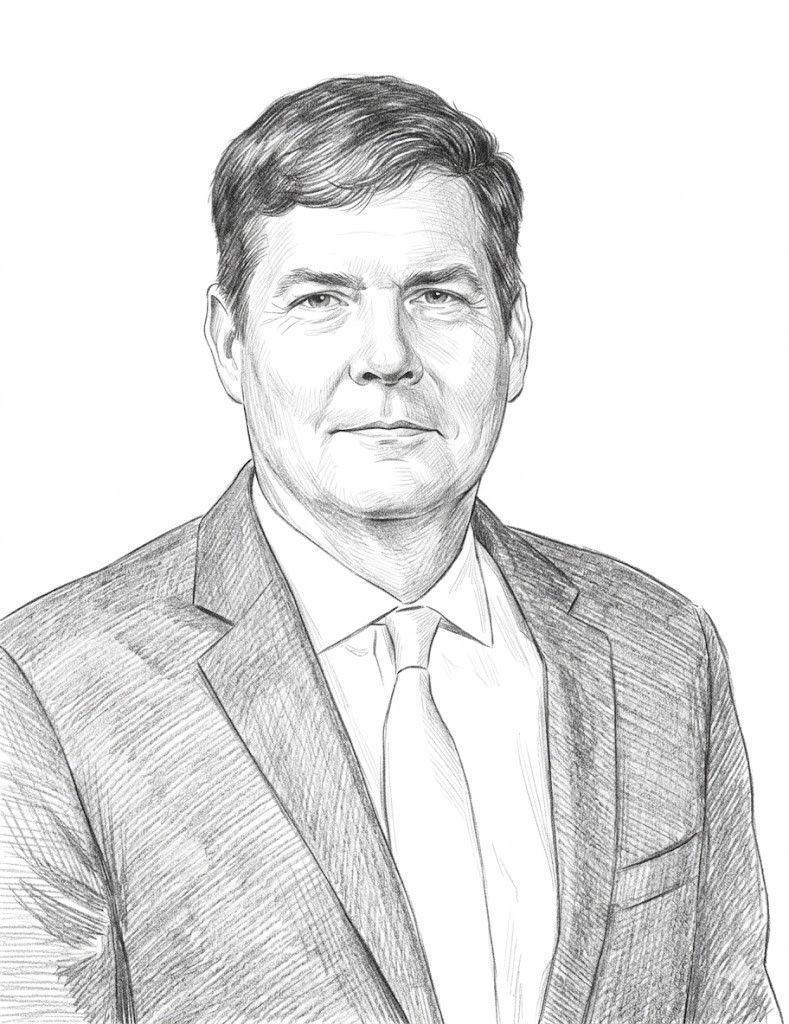
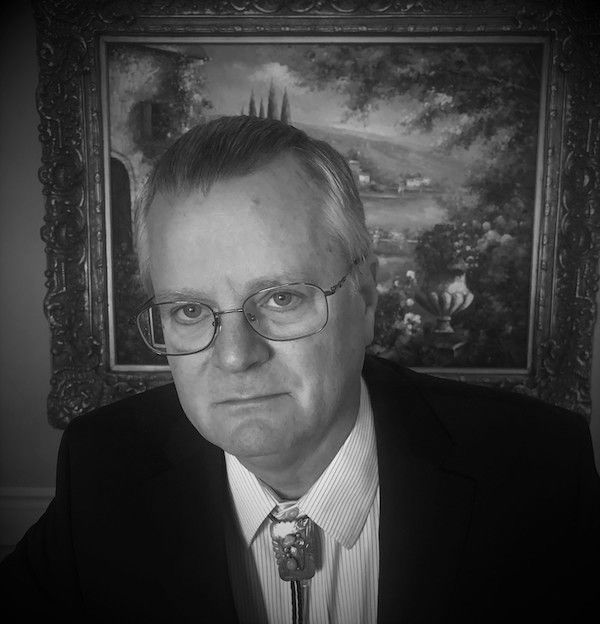
Paul Kolbe is former director of The Intelligence Project at Harvard University’s Belfer Center for Science and International Affairs. Kolbe also led BP’s Global Intelligence and Analysis team supporting threat warning, risk mitigation, and crisis response. Kolbe served 25 years as an operations officer in the CIA, where he was a member of the Senior Intelligence Service, serving in Russia, the Balkans, Indonesia, East Germany, Zimbabwe, and Austria.
Christian: How are thinking about what just happened in Venezuela? What's top of mind for you?
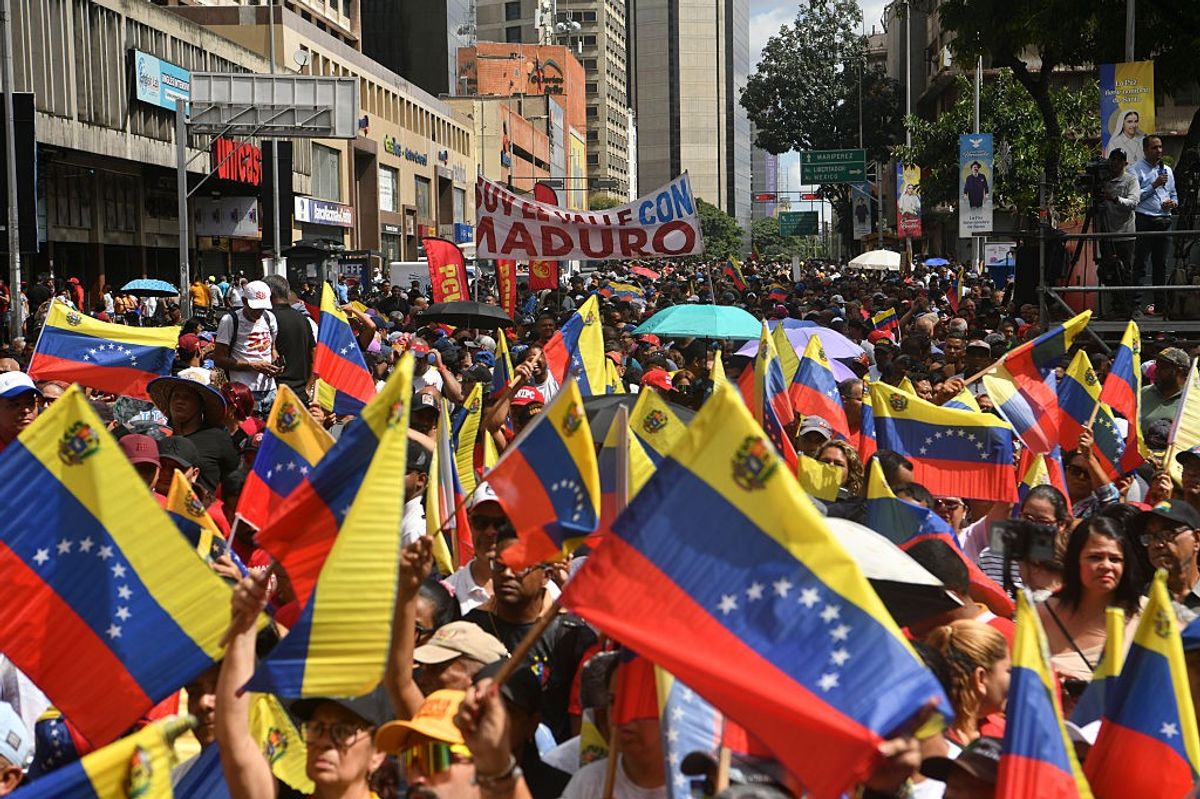
Kolbe: Venezuela has been a problem both for the United States and for the Venezuelan people for over 20 years. For the Chavez years and then the Maduro years, they've driven a country that was once one of the wealthiest in the world, and certainly wealthiest in South America, with unbelievable natural resources, particularly oil, and driven it into the ground through corruption, poor leadership, poor decisions, and oppression of the people. There's a reason eight million Venezuelans have fled the country. So, it's been a series of corrupt, horrible rulers. Not sorry to see Maduro go.
Venezuela has also been a foothold for Cuba. Very important for Cuba in terms of the oil that they get there, but also as a place to plant the flag and spread Cuban revolution throughout South America. It's been a base and source of money and money laundering for Hezbollah and Iran. Russia has had a long-standing relationship with Chavez and with Maduro, supporting them with weapons, with intelligence, with the Wagner Group. So, Venezuela has been both a thorn in the side of the U.S., and has been involved in so many different things that are against our interests — not sorry to see Maduro go.
Need a daily dose of reality on national and global security issues? Subscriber to The Cipher Brief’s Nightcap newsletter, delivering expert insights on today’s events – right to your inbox. Sign up for free today.
Christian: Last year, President Trump had authorized covert activity in Venezuela. There had been talk even recently, just days ago, of the CIA being involved in a strike against a target in Venezuela. We don't often see a military operation of this complexity that goes this smoothly. What does that tell you about the intelligence that was at play here and the level of cooperation with the military?
Kolbe: Clearly it was highly professional and extraordinarily well-executed operation, both by the intelligence community and by the U.S. special operations forces that went in. Very pleased that there were no casualties, that we didn't suffer any losses. But the split that I would make is to ask if this is a very well-executed tactical operation that is without a larger strategy? And if there's a larger strategy, what is it? In particular, what's the follow-on? There's been a number of times where we've gone in and broken things and not done such a great job of fixing them or just leaving. You can look at Libya, at Iraq, and other places where that's not happened. Some folks will point to Panama and Grenada and try to use those as analogies for Venezuela, and they're very different cases. Venezuela's not Panama — much bigger, much different set of dynamics there — and it's certainly not Grenada.
So the follow-on of who's going to rule, what the transition is, how do you maintain stability? The narco-traffickers are still there, the narco-syndicates, the military is still there, the street gangs are still there. The paramilitaries, which have been supported by the military and have acted as the chief arm of oppression and brutality against the people, they're still there. There's a lot of generals that have an awful lot to lose. So, unless there's been a negotiated handover of power, I don't quite understand, yet, how we're going to run the country without boots on the ground or without a clear negotiated handover.
Christian: Russia's been described as a special type of enabler for Venezuela over the years. Russian officials have called the U.S. operation in Venezuela "unlawful'' and a violation of norms. There have been other Russia developments related to Venezuela recently. The ship, Bella 1, that the United States has been pursuing for the last couple of weeks was reported to have painted a Russian flag on it's hull on Dec 31, and Russia reportedly has asked the United States to stop pursuing it. What's your reaction to how Russia has publicly responded to these incidents?
Kolbe: I'll start with the irony of Russia's protestations against what they see as the invasion of sovereignty of another country and how awful that is put out there with no sense of irony. Russia is condemning something that is not analogous to what they've done in Ukraine, but also completely ignoring what they've done in Ukraine and the ongoing war that they continue to pursue against the Ukrainian people, against their infrastructure, against everything that stands there.
So, while Venezuela is going to capture a lot of attention over the next few days, I suspect that's also, perhaps, part of the purpose of it. It distracts from what I think is a far more strategic, far more important issue, i.e., What's going to happen in Ukraine in 2026? Will the U.S. abandon Ukraine? Will we stab them in the back, or will we be able to provide support that lets them fight Russia, preserve their sovereignty?
The story with the ship is a pretty interesting one. It feels like watching a sea-born version of OJ Simpson's escape in his Ford Bronco as this Coast Guard cutter trails this gigantic oil freighter, which is running away at the speed of 11 knots and is now in the North Atlantic and is claiming to have Russian protection. Russia has reportedly put out a diplomatic note dissuading the U.S. from taking any action on that. So it will be interesting to see what actually happens if the ship managed to make good on the escape or if we turn around and say, "Oh, nevermind."
Are you Subscribed to The Cipher Brief’s Digital Channel on YouTube? There is no better place to get clear perspectives from deeply experienced national security experts.
Christian: At the most recent Threat Conference back in October, there was a lot of talk of global conflict. And some people use the phrase, "World War III." Are we in it? Has it begun? There's been a lot of talk about gray zone, the level of gray zone activity, and the risk of major conflicts breaking out such as Taiwan or the situation in Europe growing beyond the borders of Ukraine. How are you thinking about the world as we start 2026 amid what is truly a dynamic national security backdrop?
Kolbe: I'm thinking about it as we're in a state of conflict without recognizing it. Just a couple of days ago over New Year’s, you saw China mount a blockade exercise, clearly practicing for a coming blockade of Taiwan. The signaling coming out of there is ever sharper and, it’s always been clear, but suggests a narrowing timeline for action on Taiwan. I don't believe anything's imminent, but clearly they're building the capability and then the intent, the decision, once they have the capability, can happen at any time.
Just a couple of days ago, we saw another communications cable cut between Estonia and Finland by a Russian ship that had left a Russian port that continues what is essentially low grade warfare on the European continent by Russia: sabotage, assassinations, misinformation, disinformation, and just a series of things which are clearly preparation of the battlefield, designed both to deter Europe and get Europe to self-deter, but also for the U.S., but also to put into place the capabilities that would be useful or used in conflict.
I think what is clear to me is that we, the US — as stated in the National Security Strategy that came out in December — are basically carving out Latin America as a U.S. area of influence and seeming to leave Europe and Central Asia to Russia and East Asia to China. And for me, that's very disturbing that America First looks to be coming to include South America First.
Read more expert-driven national security insights, perspective and analysis in The Cipher Brief because National Security is Everyone’s Business.