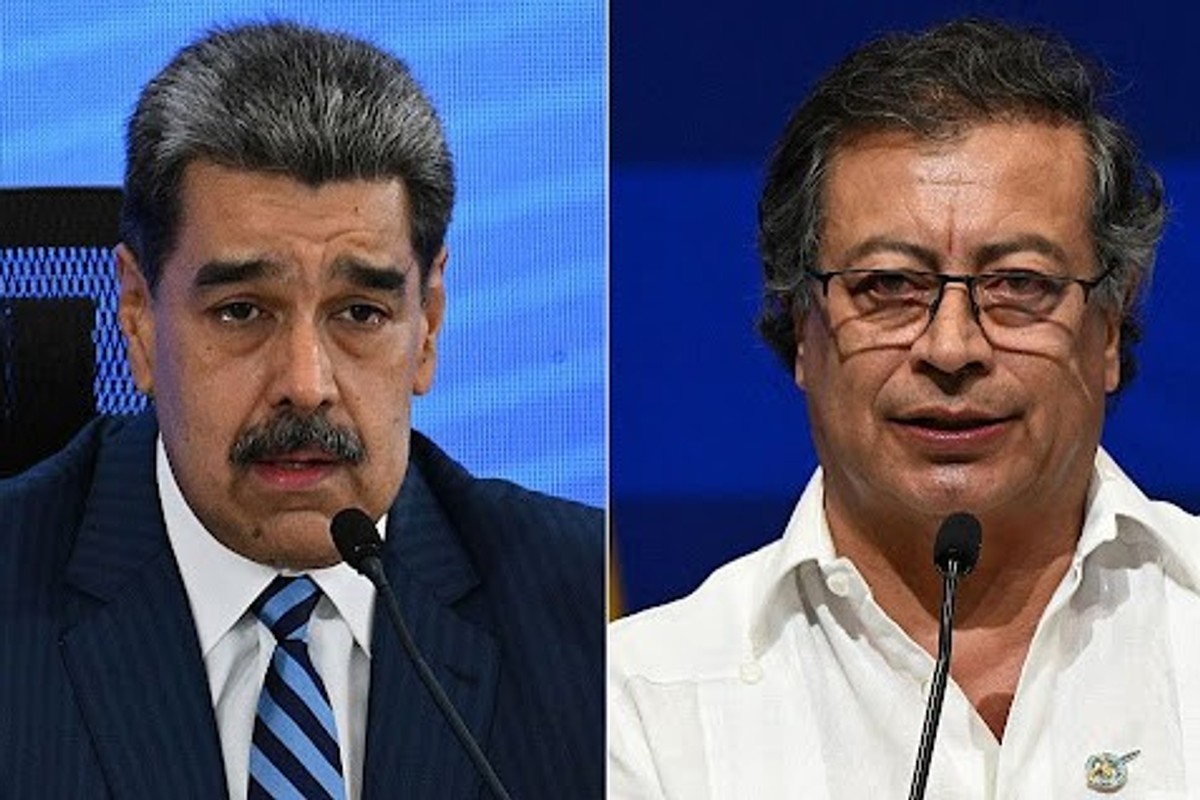
Now comes the hard part in Venezuela. Dictator Nicolas Maduro and his wife are gone but the regime is still in power. Most Venezuelans, particularly in the diaspora, are pleased and relieved. Many are also apprehensive.
The Trump administration has decided to compel the cooperation of Maduro’s Vice President, Delcy Rodriguez, now interim president. It is not at all assured that she will be a reliable partner. The U.S. decision to work with those still in control was logical even if disappointing to some in the democratic opposition which, after all, won the presidential election overwhelmingly in late July of 2024. The opposition’s base of support dwarfs that of the regime but the military, intelligence services and police are all still loyal to the regime - at least for the time being. The Trump administration believes the cooperation of these elements of the regime will be necessary for the Trump administration to implement its plans for the country without further U.S. police and military actions on the ground.
Need a daily dose of reality on national and global security issues? Subscriber to The Cipher Brief’s Nightcap newsletter, delivering expert insights on today’s events – right to your inbox. Sign up for free today.
The Trump administration has said we will be taking over the oil sector and President Trump himself has announced his intention to persuade the U.S. private sector to return to Venezuela to rebuild the sector. Oil production in Venezuela has declined by two thirds since Hugo Chavez, Maduro’s predecessor, was elected in 1998. This unprecedented decline was due to incompetent management, undercapitalization and corruption. Had Chevron not opted to stay in the country under difficult circumstances, the production numbers would look even worse. Resurrecting the oil sector will take time, money and expertise. The return of the U.S. oil companies and the infusions of cash that will be required will only happen if an appropriate level of security can be established — and that will require the cooperation of the Venezuelan armed forces and police. Many senior leaders in those sectors are believed to have been deeply complicit in both the abuses and corruption of a government the United Nations said was plausibly responsible for “crimes against humanity.” Two of the regime figures most widely believed to have been, along with Maduro himself, the architects of the Bolivarian regime’s repressive governance are still in power, Minister of the Interior Diosdado Cabello and Minister of Defense General Vladimir Portino Lopez. They will need to be watched and not permitted to undermine U.S. efforts to rehabilitate the oil sector and orchestrate a return to legitimate, popularly supported and democratic government.
The Cipher Brief brings expert-level context to national and global security stories. It’s never been more important to understand what’s happening in the world. Upgrade your access to exclusive content by becoming a subscriber.
There are several considerations that the U.S. will need to keep in mind going forward. First, more than 80 percent of Venezuelans now live below the poverty line. Their needs must be addressed . Even the shrinking number of Venezuelans who aligned with the regime are hoping to see their lives improve. Between 2013 and 2023, the country’s GDP contracted by around 70 percent, some believe it may have been as much as 75 percent. As most of Venezuela’s licit economy is essentially moribund and the U.S. will be controlling oil exports, the poor will naturally look to the United States for help. Heretofore, the regime employed food transfers to keep the populace in line. That role should move to the NGO community, the church or even elements of the democratic opposition.
Indeed, it will be important to secure the cooperation of the opposition, notwithstanding the Trump administrations to work with Delcy Rodriguez and company as the opposition represents the majority of Venezuelans inside the country as well as out. It will also be necessary to pay the military and it is not at all clear that the regime elements still in place will have the money to do so once oil receipts are being handled by the United States. If the U.S. is to avoid the mistakes that followed the fall of Saddam Hussein, attending to the needs of the populace and paying the rank and file of the military should be priorities.
The Trump administration should also move as quickly as the security situation permits to reopen the U.S. embassy in Caracas. There is reporting out of Colombia that the U.S. Charge in Bogota has already made a trip to Caracas to evaluate the situation. This is a good thing. There is no substitute for on-the-ground engagement and observation.
The Cipher Brief is committed to publishing a range of perspectives on national security issues submitted by deeply experienced national security professionals. Opinions expressed are those of the author and do not represent the views or opinions of The Cipher Brief.
Have a perspective to share based on your experience in the national security field? Send it to Editor@thecipherbrief.com for publication consideration.
Read more expert-driven national security insights, perspective and analysis in The Cipher Brief, because national security is everyone’s business.