

Skip to content
Search

Latest Stories

cipherbrief

Welcome! Log in to stay connected and make the most of your experience.

Input clean

The Cipher Brief: National Security news, analysis and expert commentary.
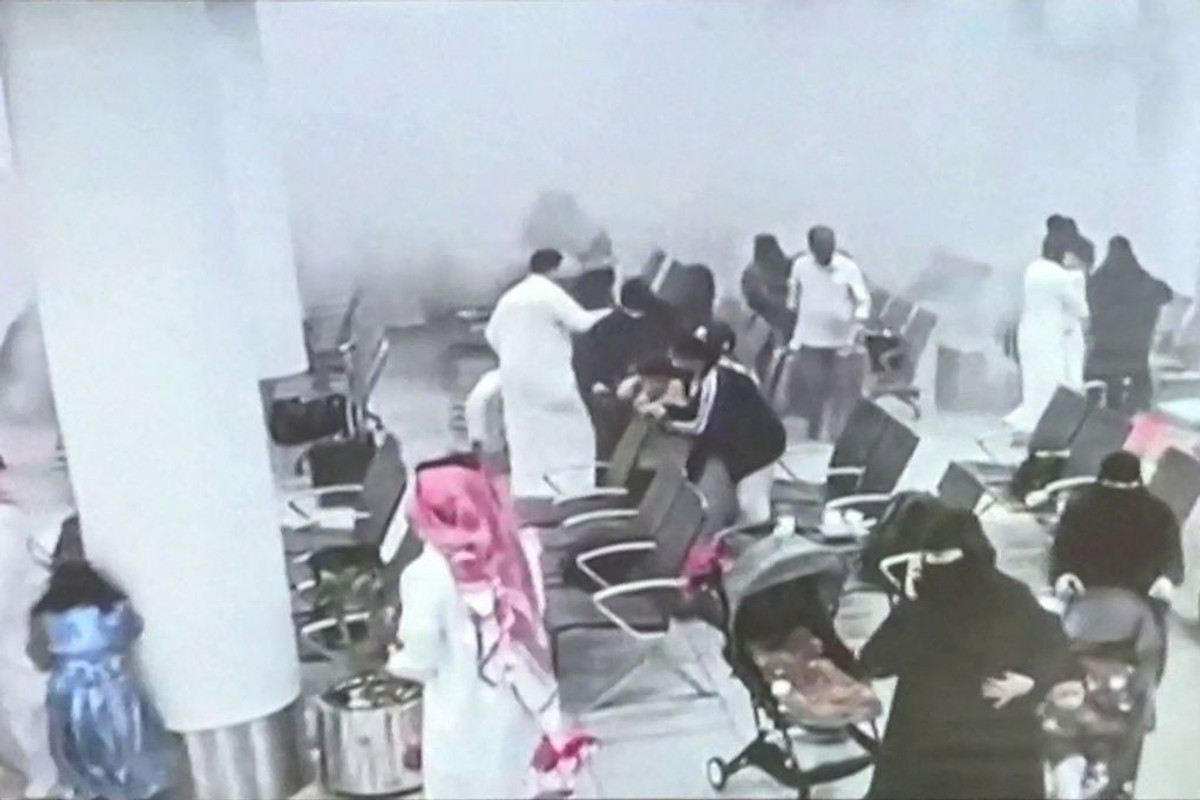
How America Appeased Putin

Before invading Ukraine, Vladimir Putin repeatedly tested the United States. Washington's failure to respond meaningfully convinced the Kremlin that America was weak.

Excerpt from Spies: The Epic Intelligence War Between East and WestWhen Spies was first published in 2023, it made front-page news with the chilling [...] More

Expert Insights

Cipher Brief Experts bring context to today’s global events

Opinion

AI Is Coming to the Counter-Drone Fight

“Twenty years ago, the state of North Dakota poured in multiple millions of dollars to figure out what it looks like to do beyond visual line-of-sight operations for Class One, Two, and Three Drones. That was just the [...] More

Opinion

Trump’s Rejection of Iran Offer Highlights Another Big Problem

Beijing says artificial intelligence will give the state a visible hand to allocate capital. Here’s the rub: Washington’s economic authority sits in five places, and none of them is in command.This column begins a [...] More

News & Analysis

Sunrise in New York City

Reflect, Remember, Renew

PERSONAL REFLECTION -- Majestic blue skies greeted me as I turned into the Pentagon’s North Parking lot on Tuesday morning, September 11, 2001. As I [...] More

Opinion

Iran’s Regime Is Weaker Than It Looks

For five and a half years, I was a hostage of the Islamic Republic of Iran. During that time, I came to believe something about the regime that may [...] More

What’s on The Cipher Brief’s Digital Channel

Book Reviews

LASER FOCUS: Cape Canaveral has a new answer for drones that wander where they shouldn't: lasers. According to The War Zone, the Space Force is adding a directed-energy weapon to the counter-drone defenses at Cape Canaveral Space Force Station, which launches rockets for SpaceX, United Launch Alliance and Blue Origin along with some decidedly sensitive national-security payloads. Col. Brian Chatman, commander of Space Launch Delta 45, told Florida Today that the system can do "a kinetic kill" against drones entering the area. The laser reportedly joins a radio-frequency jamming system and sensor-fusion software already [...] More

Get The Drop

Events

Live Events

2026 Threat Conference

2026 Threat Conference

The Cipher Brief Threat Conference is the nation’s premier forum for non-partisan discussion of global threats and solutions as well as high-level [...] More

Upcoming: 25 October, 2026

The Cipher Brief 2027 HONORS Awards

The Cipher Brief 2027 HONORS Awards

Join us for the third annual Cipher Brief Honors Dinner, the evening of April 9, 2027. This Black-Tie event is invite-only. Please apply here for a [...] More

Upcoming: 09 April, 2027

Podcasts

State Secrets

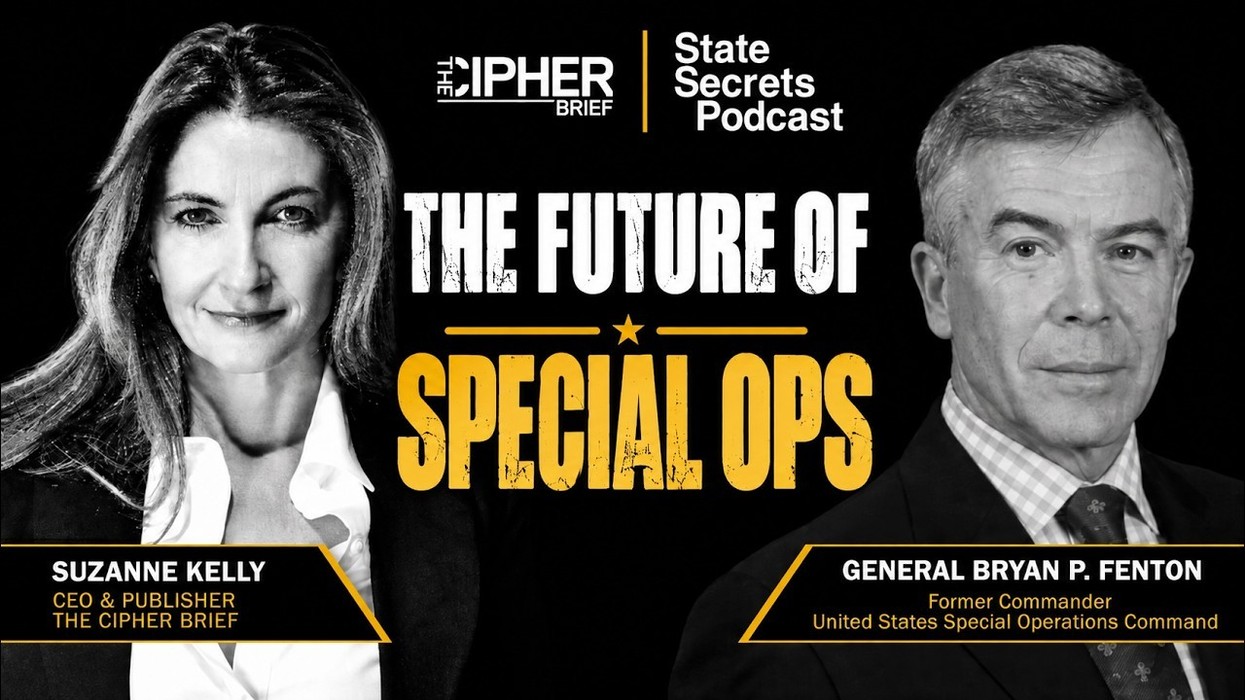
In this episode of The Cipher Brief’s State Secrets podcast, host Suzanne Kelly sits down with retired U.S. Army General Bryan Fenton, former commander of U.S. Special Operations Command, for a wide-ranging conversation about the changing character of war — and what the United States will need to stay ahead on the battlefield of the future.

After 38 years in uniform and a career spent across the special operations community, Fenton brings a unique perspective on how warfare is evolving. He explains what he sees more clearly now from outside government, including the growing role of America’s private sector in developing technologies and capabilities that could prove critical to national security.

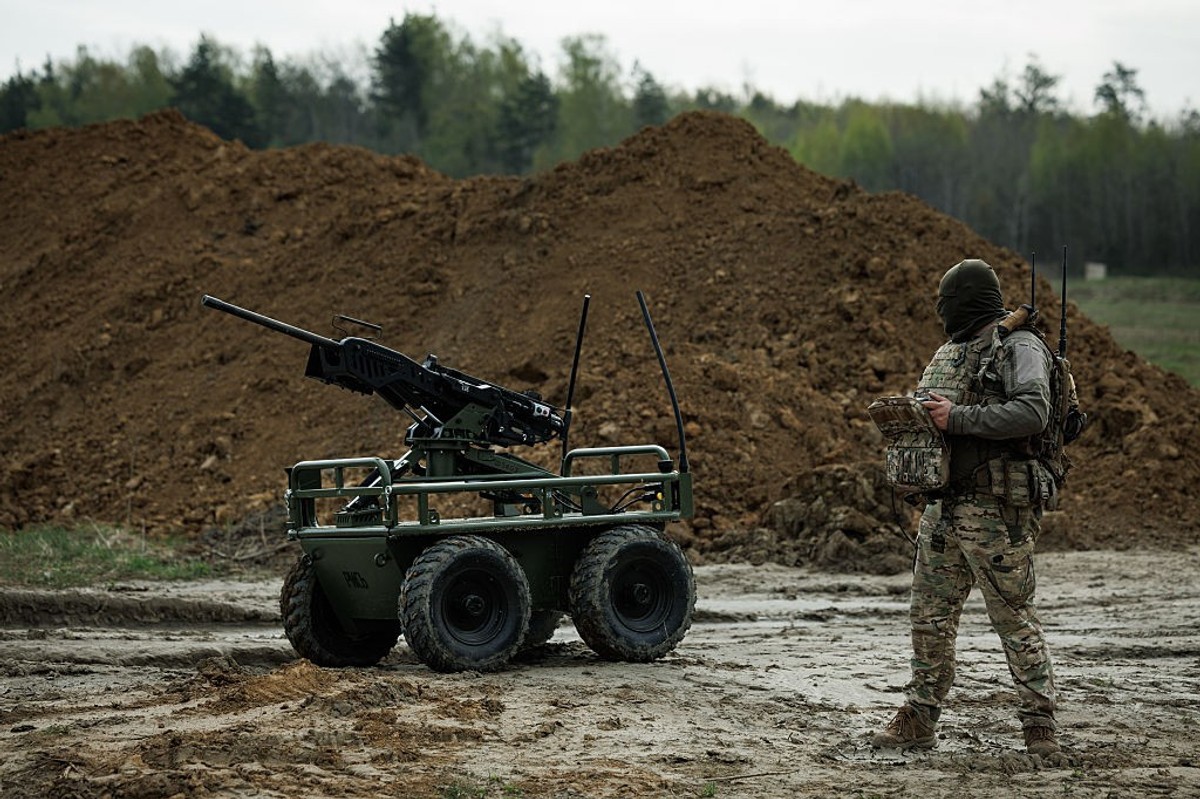
Drawing lessons from the war in Ukraine, Fenton describes a future battlefield where exquisite, billion-dollar military systems operate alongside enormous numbers of cheaper, attritable systems. From autonomous drones in the air to uncrewed vehicles on land, on the surface of the ocean and underwater, he explains why scale, autonomy and the ability to integrate these technologies could fundamentally reshape how militaries fight.

Kelly and Fenton also explore what a special operations force built for this new era might look like, how artificial intelligence, cyber and space are changing the equation, and whether the long-held special operations principle that “humans are more important than hardware” can survive in an increasingly autonomous world.

The conversation expands beyond the battlefield to China’s growing economic, diplomatic and military power, competition in the gray zone, foreign information operations and the role special operations can play below the threshold of conventional conflict. Fenton also makes the case that America’s economic strength, private capital, manufacturing base and culture of innovation are inseparable from its national security.

At the center of it all is deterrence. For Fenton, the ultimate measure of military strength isn’t whether America can fight the next great power war — it’s whether the United States and its allies can remain capable enough that an adversary decides not to start one in the first place.

Today’s Sponsor is Two Six Technologies: https://twosixtech.com/products/sentr