

Skip to content
Search

Latest Stories

cipherbrief

Welcome! Log in to stay connected and make the most of your experience.

Input clean

The Cipher Brief: National Security news, analysis and expert commentary.
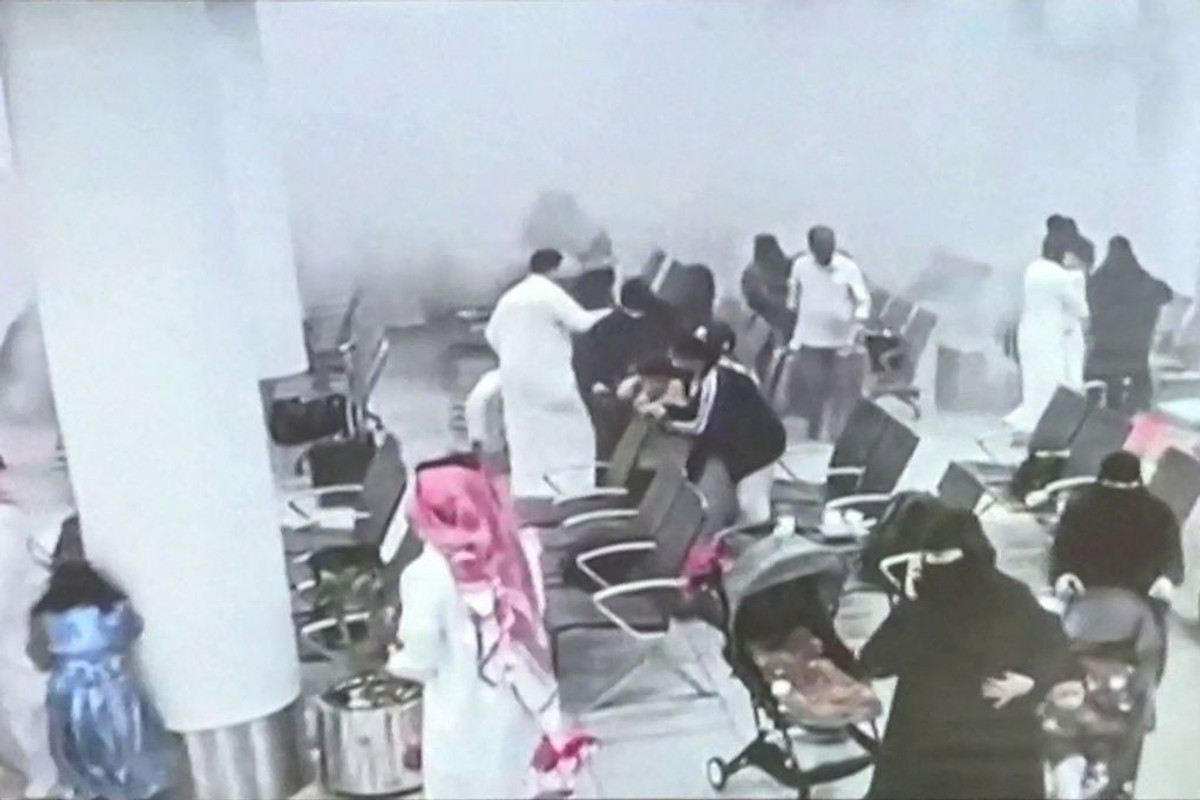
How America Appeased Putin

Before invading Ukraine, Vladimir Putin repeatedly tested the United States. Washington's failure to respond meaningfully convinced the Kremlin that America was weak.

Excerpt from Spies: The Epic Intelligence War Between East and WestWhen Spies was first published in 2023, it made front-page news with the chilling [...] More

Expert Insights

Cipher Brief Experts bring context to today’s global events

Opinion

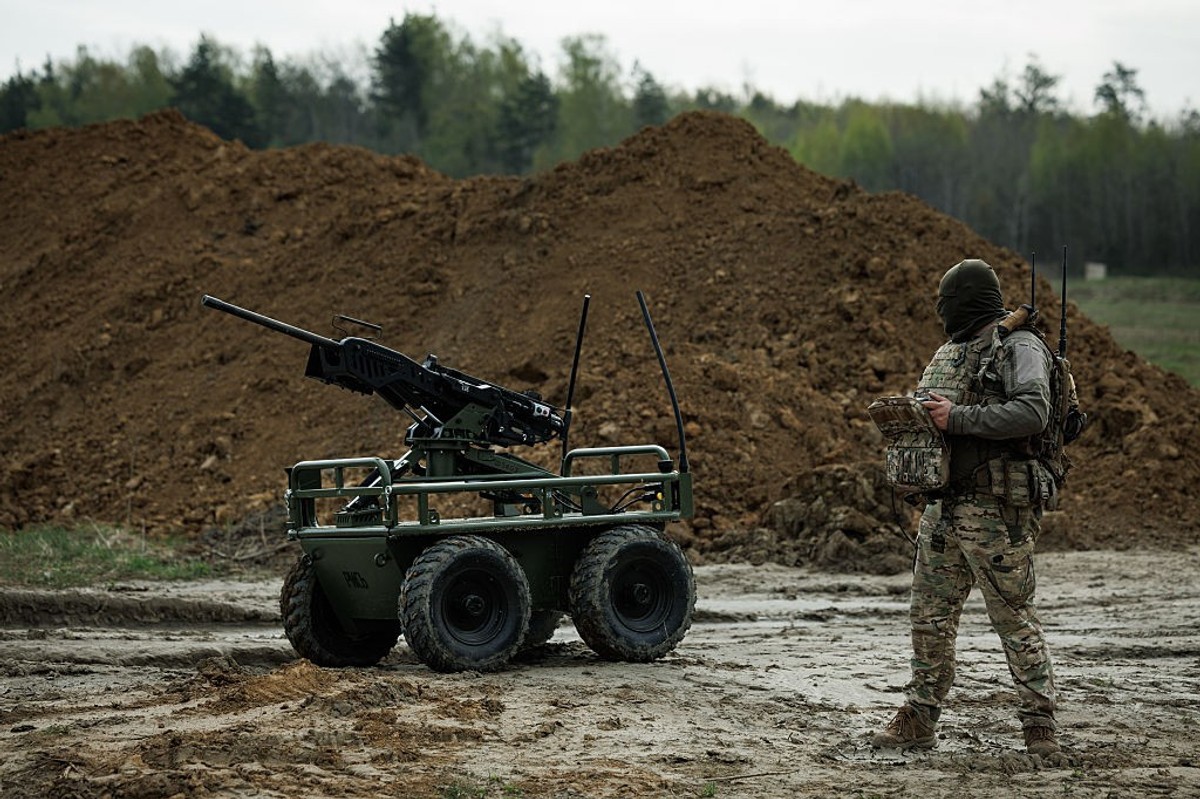
The Military’s Race to Operationalize AI

“I feel as though I was catapulted into a dystopian future in which the battlefield (or ‘kill zone’ as Ukrainians call it) is dominated by drones and sensors, and will increasingly be shaped by AI [Artificial [...] More

Opinion

The Authority We Cannot Keep

Washington announced permanent control of Greenland on Friday. The two governments that must ratify it announced, in the same breath, that the text recognizes their sovereignty. Both ideas cannot be the settled meaning of [...] More

News & Analysis

Sunrise in New York City

Reflect, Remember, Renew

PERSONAL REFLECTION -- Majestic blue skies greeted me as I turned into the Pentagon’s North Parking lot on Tuesday morning, September 11, 2001. As I [...] More

Opinion

Heads They Win, Tails They Win: The CMMC Trap and the Way Out

Here is a prediction from inside the compliance trenches: the CMMC Reform Task Force closed its sixty-day review on September 11 and is now [...] More

What’s on The Cipher Brief’s Digital Channel

Book Reviews

APPARENTLY THERE WAS NO TRACKING NUMBER: The F-35 has a stealth problem that has nothing to do with flying. Some of its parts have apparently disappeared. According to Politico, a shipment of "unserviceable" F-35 components was being sent from Australia to the United States for repairs when it was mysteriously diverted while crossing the Pacific and wound up in Hong Kong. The Pentagon has confirmed there was a "shipment issue" and says it is working with U.S. authorities and Lockheed Martin to recover the parts and figure out what happened. Among the components was an F-35 cockpit canopy, which is an acrylic hi-tech [...] More

Get The Drop

Events

Live Events

2026 Threat Conference

2026 Threat Conference

The Cipher Brief Threat Conference is the nation’s premier forum for non-partisan discussion of global threats and solutions as well as high-level [...] More

Upcoming: 25 October, 2026

The Cipher Brief 2027 HONORS Awards

The Cipher Brief 2027 HONORS Awards

Join us for the third annual Cipher Brief Honors Dinner, the evening of April 9, 2027. This Black-Tie event is invite-only. Please apply here for a [...] More

Upcoming: 09 April, 2027

Podcasts

State Secrets

In this episode of The Cipher Brief’s State Secrets podcast, host Suzanne Kelly sits down with award-winning historian and bestselling author Simon Sebag Montefiore to discuss his new book, The Cauldron: The Making of the Modern Middle East — a sweeping history of roughly 125 years that traces how the region became what it is today.

Drawing on a lifetime of research, writing and travel throughout the Middle East, Montefiore explains why he wanted to write a book that brought the region’s complicated history together in one story — from the final years of the Ottoman Empire and the rise of modern Saudi Arabia to the creation of Israel, the 1979 Iranian Revolution, America’s growing role in the region and the power struggles shaping the Middle East today.

Kelly and Montefiore explore some of the central arguments in The Cauldron, including why he believes the familiar story that Western powers simply drew arbitrary borders after World War I and created the modern Middle East is incomplete. Instead, he puts greater emphasis on the agency of the region’s own leaders, peoples and empires and tells much of that history through the larger-than-life personalities who shaped it.

The conversation moves from Ibn Saud, Atatürk, Reza Shah and David Ben-Gurion to Gamal Abdel Nasser and Ayatollah Khomeini, while also examining the historical forces behind Iran’s role in the region, Russia’s centuries-old interests in the Middle East and the challenges outside powers have repeatedly faced when trying to shape events there.

At its core, The Cauldron is an effort to answer a deceptively simple question: How did we get here? Montefiore explains why understanding that history may not allow us to predict what happens next — but can give us critical context for understanding the people, decisions and forces driving the Middle East today.