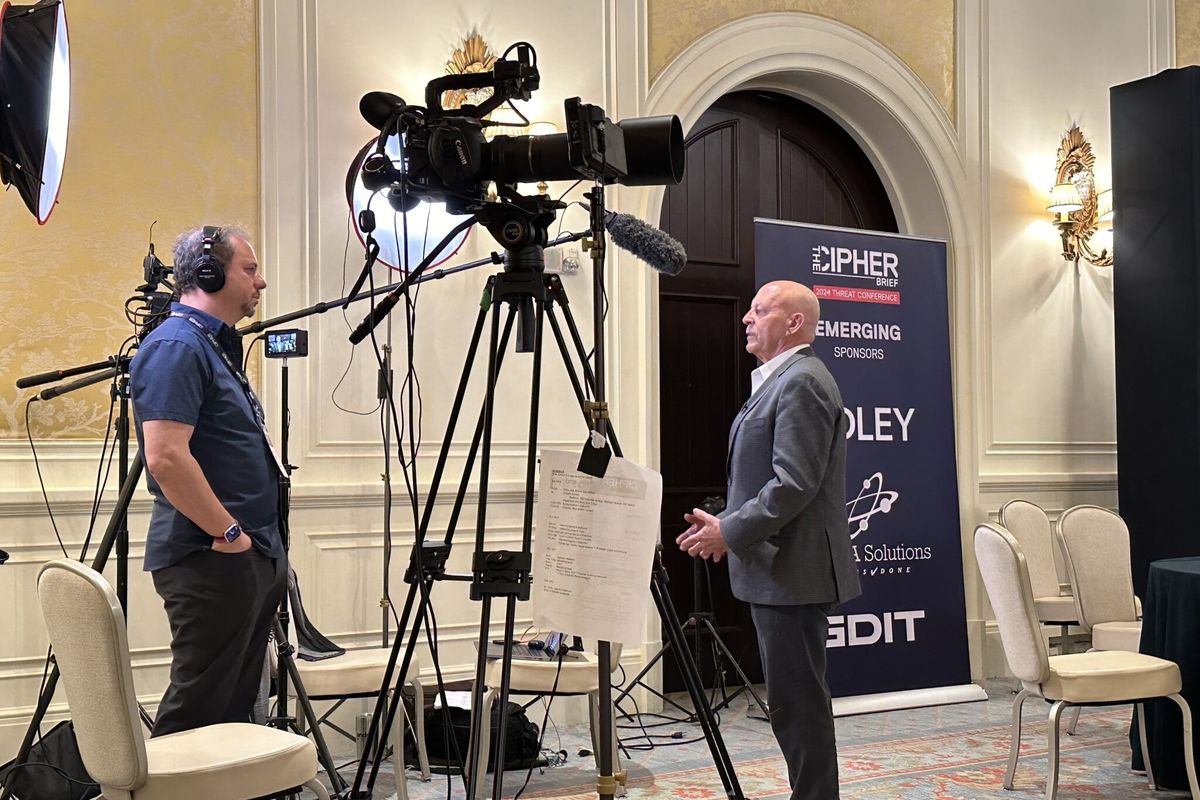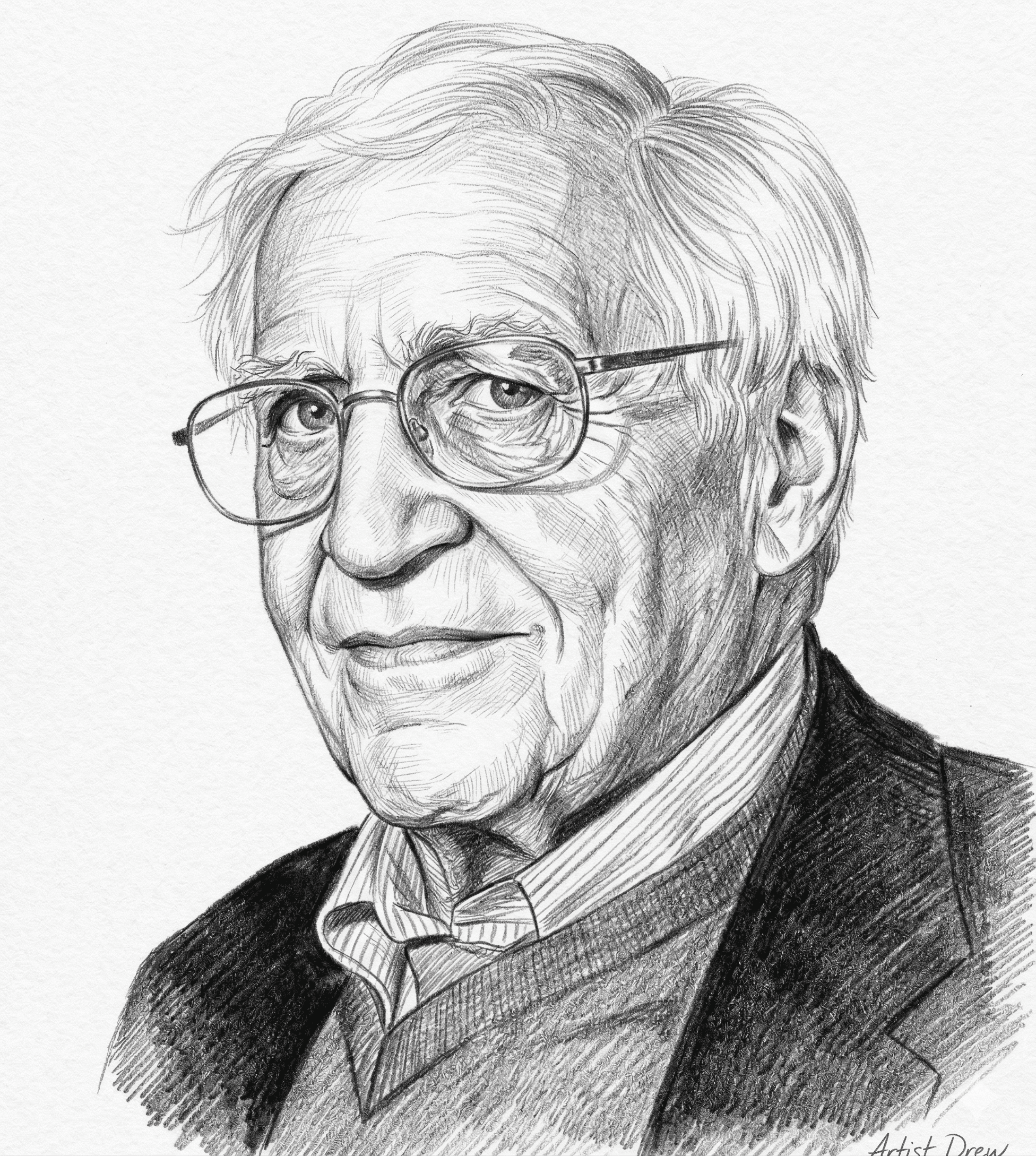



With a series of disparaging remarks about the intelligence community (IC) from President-elect Donald Trump in recent weeks, David Priess, a former CIA analyst and author of The President’s Book of Secrets, offered historical perspective on how the relationship between the two parties could evolve.
Speaking at The Cipher Brief’s monthly Georgetown Salon Series event, Priess also addressed reports that Trump chooses not to receive the President’s Daily Brief (PDB) – analysis compiled by the IC that provides the president and other high-ranking officials with sensitive intelligence on world events – every day.
In an interview with online news organization Axios this week, the President-elect said intelligence briefings are too long, noting, “I like bullets or I like as little as possible.”
But Priess, who once worked as a daily intelligence briefer for the CIA, said on Wednesday that wasn’t unusual, with many presidents historically preferring short briefings.
“Most of the analysis going into the PDB has not been many pages. It has been one page of analysis. Back with [President John F.] Kennedy and [President Lyndon] Johnson, it was often two or three sentences – that was all of the analysis,” explained Priess.
Priess added that Trump’s desire for “tweet-length” intelligence briefings is getting a lot of laughs, but “back in the Reagan and Bush days we had what we called snowflakes, which were essentially tweets before we had cellphones. They were short bits of analysis – not even complete sentences – and they communicated short quick points that the President needed to know without boring him with a long page or two of analysis.”
A president who is skeptical – and at times hostile – to his intelligence briefers is also not unprecedented, said Priess, adding that some briefers may love the challenge.
It will take someone who “has the ability to dig down and get those kernels of sexy information that might just appeal to this President in the way they appealed to John Kennedy and Lyndon Johnson, who were famous for liking the salacious details about foreign leaders, the sexy bits that would get them interested in the deeper analysis,” remarked Priess. That challenge of packaging information in a way that appeals to the President is a great opportunity, he said.
Moreover, it is not a foregone conclusion that Trump is anti-intelligence. Priess noted, “There are some signs that have surprised people, and they don’t get as much attention as the disparaging comments, but on several occasions, he’s made comments about his briefers being very good people.”
Priess acknowledged that this does not mean Trump will want to have a close personal relationship with the IC and his briefers. But again, this would have historical precedence.
The norm, according to Priess, is that the briefers have “delivered the President’s Daily Brief, the president has read it alone or talked about it with national security staff, but the briefers have not seen him.”
In this case, the IC’s job is to brief the people around the president, like the National Security Advisor. Priess said President Richard Nixon never took a working-level CIA brief in the Oval Office, so “The CIA briefed the hell out of [National Security Advisor] Henry Kissinger.”
Priess warned about “fetishizing” the president because “we distract ourselves from the fact that there are other senior officials who are using this intelligence and who also have the president’s ear, and those are legitimate customers as well.”
That being said, it is still unclear who will “have the President’s ear” and access to highly classified intelligence, in the incoming administration.
So far, the President-elect, Vice President-elect Mike Pence, and Trump’s pick for National Security Advisor Michael Flynn have sat in on some intelligence briefings. But there has been no indication yet of how the PDB will be disseminated in the Trump administration.
Priess ended the evening on a high note, saying we tend to “underestimate the ability of people to grow into their jobs” and throughout most of modern history, people at the presidential and cabinet levels “come to take that job pretty damn seriously and most of them serve it well.”
Kaitlin Lavinder is a reporter at The Cipher Brief. Follow her on Twitter @KaitLavinder.