
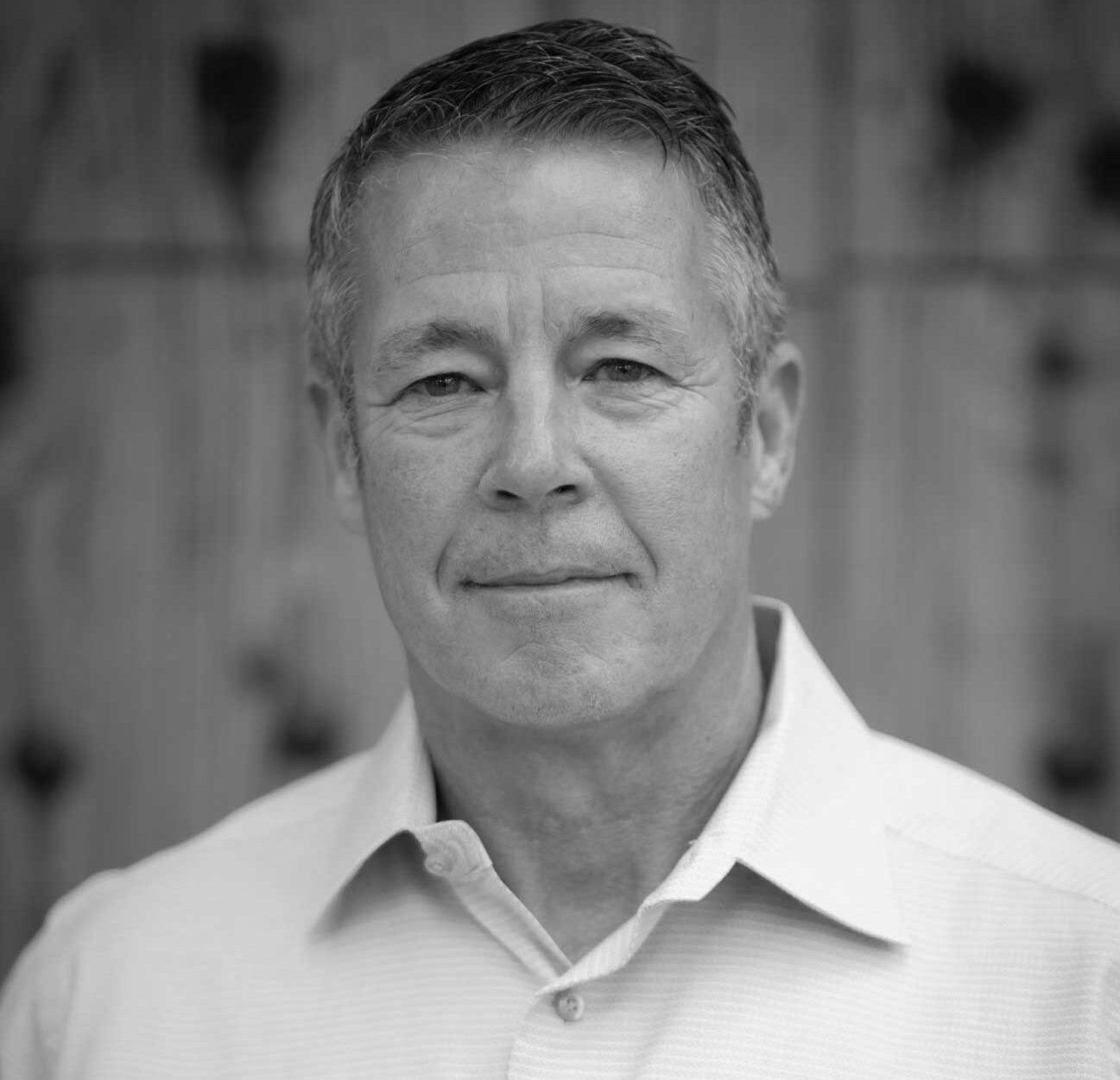
EXPERT PERSPECTIVE – I’m always reluctant to comment on current events, as it feels a bit like being an armchair quarterback, but I have been asked about different parts of the ongoing conflict as people are trying to get their arms around what’s happening. So I thought I’d just offer up how I personally frame it for my own understanding and formulation of insights, on what we’re witnessing.
General Miller’s comments were originally published on his LinkedIn platform and are republished in The Cipher Brief with his permission. You can read the original post and follow General Miller’s updates on LinkedIn.
This was always going to be a very complex campaign, and different from Midnight Hammer and Absolute Resolve, which were complex in their own right.
I’m confident in our military and the leaders orchestrating this difficult fight, as evidenced by their display of overmatch in the initial phases of the operation. Historically, when we go after symmetric targets, we achieve success, so while those remain important, it’s the less symmetric aspects that take us down the path of “branch plans” rather than “sequels”.
I am watching our ability to intercept both missiles and Shahed Drones. The Shahed has been a challenge and recognized concern for some time and I have written about those challenges before. The Shaheds are relatively inexpensive, have substantial range and are accurate. What I don’t know is the inventory available but I suspect they are plentiful. A friend of mine from the UK refers to them as the “flying IED”.
Who’s Reading this? More than 500K of the most influential national security experts in the world. Need full access to what the Experts are reading?
I’m also watching energy flows from the region and traffic in the Straits of Hormuz. Not only does this have global economic implications, but it could also imply operational considerations if the U.S. Navy has to be used to get traffic moving. But as I understand history, the Straits have never been fully closed - challenged, yes - but not brought to a standstill, so it’s worth watching as we enter day 8 with little to no traffic.
The Kurds, who I actually know well, at least the Iraqi and Syrian Kurds, are an unknown right now in terms of how they shape events on the ground and the resulting aftermath, but support to them will likely cause operational plans to adjust. And ultimately, this is about understanding the human interactions on the ground.
Sentiment in the region does matter, therefore I read the Grand Ayatollah Sistani’s statement very closely and while he has condemned the war in Iran, he hasn’t crossed a redline that he could have in issuing a Fatwah against our servicemembers. But information and influence definitely matter and this is something I’d be looking to counter or at least compete in the information space, as rapidly as possible.
Lastly, I’m watching all of the casualties because those will matter as this progresses.
As I think through this, inevitably I know that the aftermath is going to be the real challenge determining how this all turns out, and it will require some serious statecraft.
I fully appreciate that there are many more variables, and they will create branch plans -war tends to do that - these are just my basic organizing principles around a complex endeavor. This is more about “how to think” about the conflict and not necessarily “what to think”.
Not a Subscriber+Member? Let's fix that and get you even deeper access to expert-level national security insights.
Are you Subscribed to The Cipher Brief’s Digital Channel on YouTube? There is no better place to get clear perspectives from deeply experienced national security experts.
Read more expert-driven national security insights, perspective and analysis in The Cipher Brief because National Security is Everyone’s Business.