


As Russia continues it's brutal bombardment of Ukrainian cities, talks between Moscow and the U.S. to end the war appear on very different trajectories. White House envoy Steve Witkoff is reportedly planning another trip to Moscow to meet with Russian President Vladimir Putin as Moscow's winter attacks continue unabated.
This week, Russia launched hundreds of drones and dozens of missiles on cities across Ukraine, killing at least four people and striking critical energy and heat infrastructure. In the capital, Kyiv, residents are facing temperatures as low as 10 degrees farenheit without electricity or water.
On December 30, 2025, Moscow claimed a Ukrainian drone attack targeted Russian President Vladimir Putin's residence. Russian Foreign Minister Sergei Lavrov threatened his country's military would launch "retaliatory strikes" and said Moscow's "negotiating position will be revised” in ongoing talks. Ukrainian President Volodymyr Zelensky rejected the claimed drone attack as “a complete fabrication”, and sources say the CIA assessed that Ukraine was not targeting the Russian leader's residence in the attack.
President Trump said in December that the U.S. was “very close” to a deal. So, what's happening?
Throughout the latest push for peace, Russia seems to conveniently reset the clock, demanding further talks as it continues its bombardments and assaults across Ukraine.
“This Russian strike sends an extremely clear signal about Russia’s priorities,” Zelensky said in a post on X referring to a strike on December 23 that killed three people and injured 12. Zeleneky condemned the attack “ahead of Christmas, when people simply want to be with their families, at home, and safe.”
That strike came just days after Putin told Russian defense ministry officials that Moscow will persist in its mission to “liberate its historic lands” and achieve its war goals “unconditionally” — by negotiations for an agreement in Moscow’s favor, or through continued war.
The continued Russian attacks and Putin’s bellicose language underscore a pattern that has defined Russia’s position on “peace” throughout its full-scale invasion of Ukraine: not budging from maximalist demands, blaming Kyiv for the lack of progress, and leveraging Western fears of escalation to World War Three.
The hardline from Putin comes as Ukraine has offered significant concessions, including Ukraine dropping NATO membership ambitions, for at least the time being, as well as a potential withdrawal of Ukrainian troops from the east and the creation of a demilitarized “free economic zone.” The latest reports say Russia still wants more, including more stringent restrictions on the size of Ukraine’s military.
“The Ukrainians have been saying for over a year that they are ready to come to an agreement. They are ready to be realistic and compromise,” Glenn Corn, a former senior CIA Officer told The Cipher Brief. “It’s the Russians that are not doing that. It’s the Russians that continue to push maximalist demands and that continue to scuttle the peace process — not the Ukrainians.”
Through the eyes of seasoned intelligence professionals who have studied Putin's actions for decades, the continued attacks despite peace talks are hardly surprising. “Putin has never been sincere about a negotiated solution to his ‘Special Military Operation,’” said Rob Dannenberg, former Chief of CIA’s Central Eurasia Division.
Russia is also continuing offensive pushes on multiple fronts, including in the regions it claimed to annex - Kherson, Zaporizhzhia, Luhansk and Donetsk, where the embattled strategic city of Pokrovsk is - as well as in the northern Kharkiv region. Experts warn Putin’s ambitions go far beyond.
“We've got Putin on the other side of it and the reality is he has not taken one single step towards a temporary ceasefire or a peace deal whatsoever,” General Jack Keane (Ret.), who served as Vice Chief of Staff of the U.S. Army and is a trusted advisor to President Donald Trump, told Fox News. “Where he is, he still believes that eventually he's going to break the will and resolve of the United States and the Europeans and the Zelensky government and he will eventually have his way here,” Keane said, adding that Putin’s ultimate war goal is to “topple the government of Ukraine and expand into Eastern Europe.”
Need a daily dose of reality on national and global security issues? Subscriber to The Cipher Brief’s Nightcap newsletter, delivering expert insights on today’s events – right to your inbox. Sign up for free today.
A Tested Playbook
Russia has long used the pretense of openness to negotiations as a tool to deceive, delay, and fracture Western support for those Moscow is targeting. The pattern was visible in Georgia in 2008 and again in Crimea in 2014, when Moscow signaled willingness to talk even as it consolidated military gains on the ground, buying time and weakening Western responses.
“I always use the example of Syria during the Civil War when they [Russian forces] were killing members of the Syrian opposition while they were drinking wine and coffee with American and European interlocutors in Europe, claiming that they were trying to find an agreement,” Corn told The Cipher Brief.
Indeed, behind any Russian statement of openness to engagement and dialogue, Putin has continued to assert that Ukraine is part of Russia, that the government of Zelensky is illegitimate, and that Russian forces can achieve victory on the battlefield to justify his stonewalling — despite mounting costs for Russia and limited territorial gains.
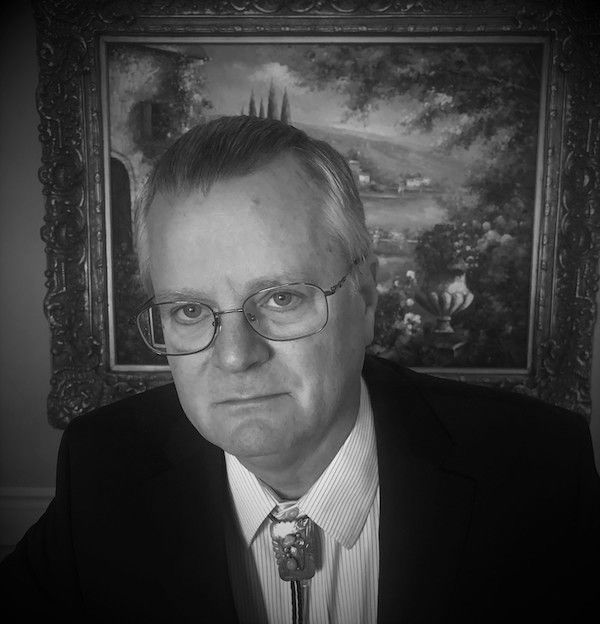
“Putin’s strategy has been consistent: advance false narratives; adopt a non-negotiable maximalist position and make ever-increasing demands for concessions; take deliberate actions to erode U.S., Ukrainian, and NATO resolve and perceived options; employ implicit and explicit threats and intimidation; and offer false choices,” former CIA Senior Executive Dave Pitts told The Cipher Brief.
“Taken together, these represent Russian ‘reflexive control’—a subset of cognitive warfare and a strategy designed to persuade adversaries to voluntarily adopt outcomes favorable to Russia,” Pitts told us. “In the face of unreasonable sovereignty and territorial demands placed on Ukraine and none placed on Russia, an emboldened and confident Putin will now likely demand even more.”
A Hesitant West
How did we get here? Some experts say a long-running pattern of Western hesitation in keeping Russia in check has emboldened Moscow. It’s not hard to remember that at the start of the full-scale invasion, Western countries were slow to provide full military support to Ukraine, concerned about a possible wider escalation.
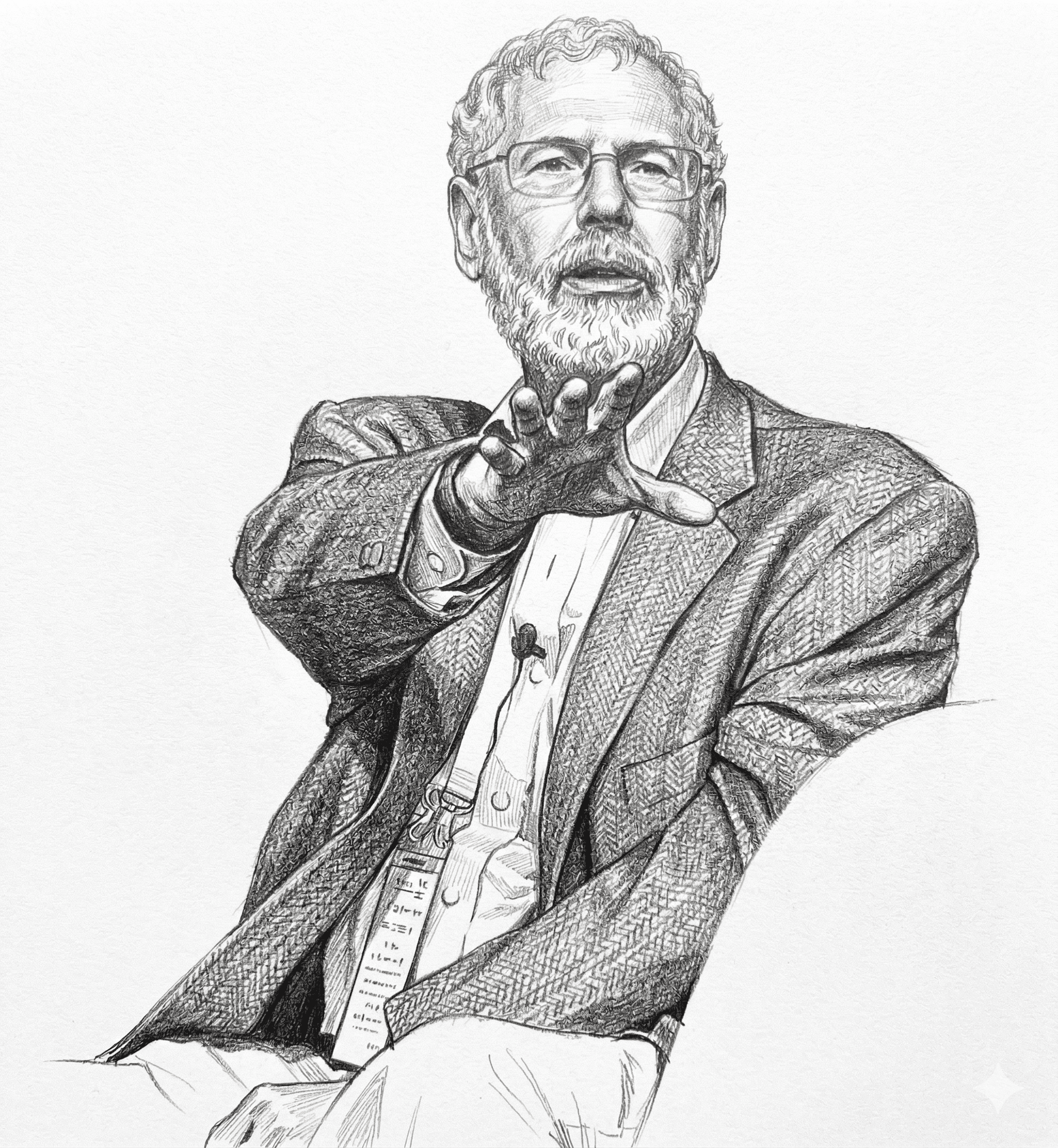
Retired General Philip Breedlove, former NATO Supreme Allied Commander, told The Cipher Brief, “We have taken precious little action to stop the fight in Ukraine and we still find ourselves saying, ‘We're not going to do that because we've got to give peace a chance and we don't want to escalate the problem.’ And that formula is not working now and has not worked for 11 years.”
“We have virtually enabled the Russian war on Ukraine by our lack of action in a more severe way. Many of us from military backgrounds say that we have built sanctuary for Russia. From that sanctuary, we allow them to attack Ukraine.”
Experts warn that while the goal should be, as President Donald Trump has said, “to stop the killing,” awarding concessions to a Kremlin that has yet to drop its maximalist war aims is not the solution.
“The Trump Administration’s desire to end the violence in Ukraine is commendable, but not at the price of setting the stage for the next war by giving victory to the aggressor,” Dannenberg told The Cipher Brief.
Are you Subscribed to The Cipher Brief’s Digital Channel on YouTube? There is no better place to get clear perspectives from deeply experienced national security experts.
The Road Ahead
With peace talks ongoing, it is proving difficult to come up with a deal that does not force Ukraine to give too much while ensuring the proposal does not push Russia to reject the deal outright.
But beyond the negotiating table, experts say there are ways to pressure Putin to peace.
Ukraine is not waiting, continuing strikes on Russian energy infrastructure to curb energy export revenues that fund Moscow’s war machine, and bringing the cost of the war back to ordinary Russians.
For the U.S. and Europe, major sanctions on Russia - including new measures against Russian oil giants Rosneft and Lukoil - are already in place and reportedly starting to take their toll, but experts say stronger enforcement is needed to make them truly bite.
Maintaining military aid to Ukraine is also essential. In mid-December, Congress passed a defense bill that authorizes $800 million for Ukraine - $400 million in each of the next two years - as part of the Ukraine Security Assistance Initiative, which pays U.S. companies to produce weapons for Ukraine's military. President Trump signed the measure into law on December 18. Meanwhile, while Europeans failed to agree to use frozen Russian assets to back a loan for Ukraine, the EU agreed to a 90 billion euro loan over the next two years, backed by the bloc’s budget.
"The Trump Administration should demonstrate its displeasure at Russia’s clear disregard for any so-called peace process by fully enforcing all existing sanctions, providing Ukraine with long-range weapons, and declaring that peace negotiations are suspended until Russia demonstrates it is serious about these negotiations," General Ben Hodges, former Commanding General of U.S. Army Europe, told The Cipher Brief. "Otherwise, the President’s efforts and those of his negotiators are clearly a waste of time and headed nowhere."
European countries have also fortified post-war pledges to Ukraine. Britain and France have committed to sending troops to a peacekeeping mission -- if a peace deal is reached. Experts U.S. intelligence, command and control, and logistics support is needed to give any European effort credibility.
The impact will be felt far beyond Ukraine, and long after the guns there go silent.
“For the United States, the best outcome will come from taking the longer, harder road that denies any reward for Russia’s illegal invasion, forces Putin to make reasonable concessions, and sustains the long-term sovereignty and independence of Ukraine,” Pitts said. “That longer, harder road also leads to stronger U.S. national security.
Read more expert-driven national security insights, perspective and analysis in The Cipher Brief.