

DEEP DIVE – President Xi Jinping’s latest purge of generals has eviscerated China’s military leadership, drawn comparisons to crackdowns carried out by Chairman Mao Zedong a half century ago, and raised questions about China’s military plans for a takeover of Taiwan.
Xi moved in the past week against China’s most senior military official, General Zhang Youxai, and General Liu Zhenli, who heads the Joint Staff Department, which oversees operations, intelligence and training. Zhang and Liu were members of the Central Military Commission, or CMC, China’s most important military body – and Xi’s campaign has now claimed all but two of the CMC’s six leaders (one of whom is Xi himself). Xi’s earlier purges have ended the careers of dozens of lower-ranking generals.
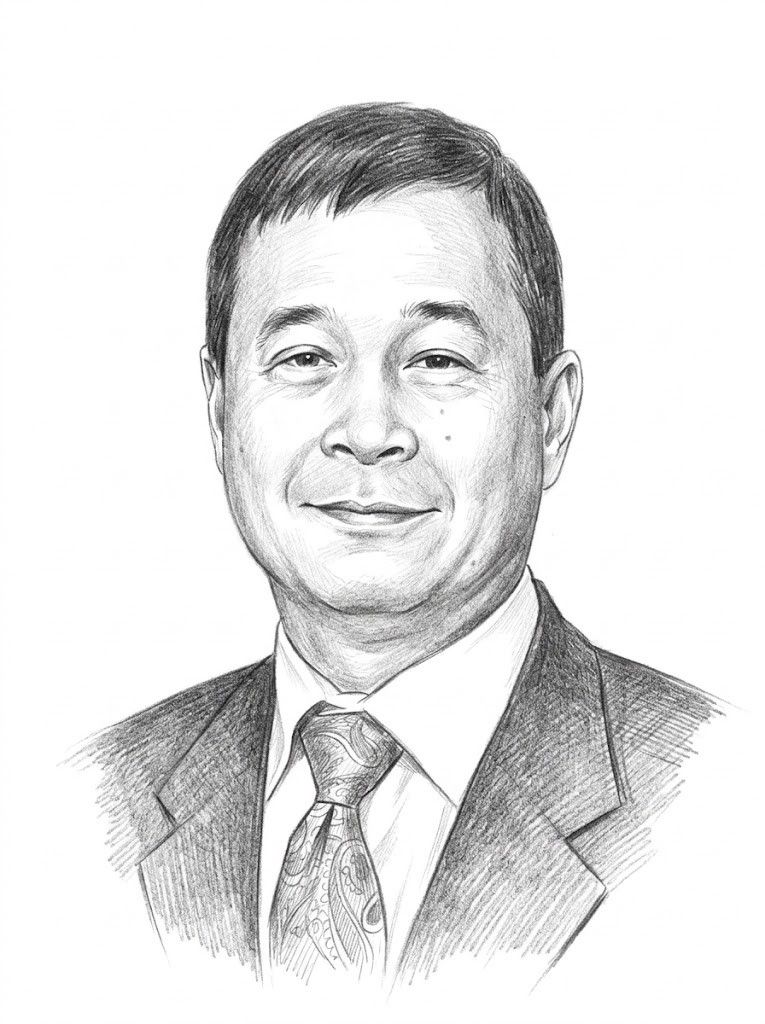
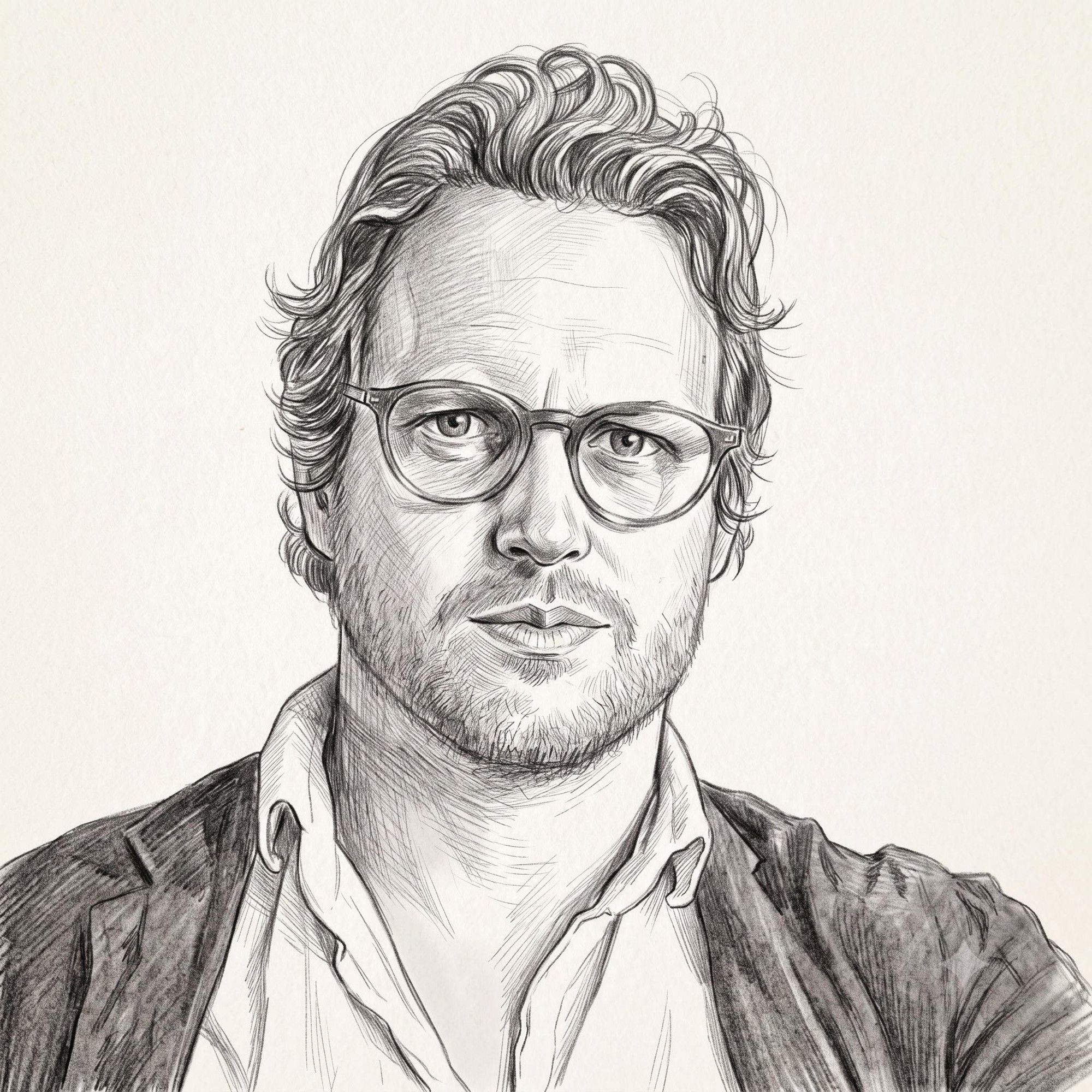
“The PLA’s core command has been mutilated by these purges,” Dr. Zi Yang, an expert on China’s military at the S. Rajaratnam School of International Studies (RSIS), told The Cipher Brief. As for the CMC, he said that “this organization…that is supposed to oversee quality military advice is more or less gutted. Who’s giving Xi advice on running an organization of two million military personnel?”
Imagine an American president firing all but one member of the Joint Chiefs of Staff, along with several other high-ranking generals, while simultaneously preparing for a major military contingency, and you have some sense of what’s happening in China.
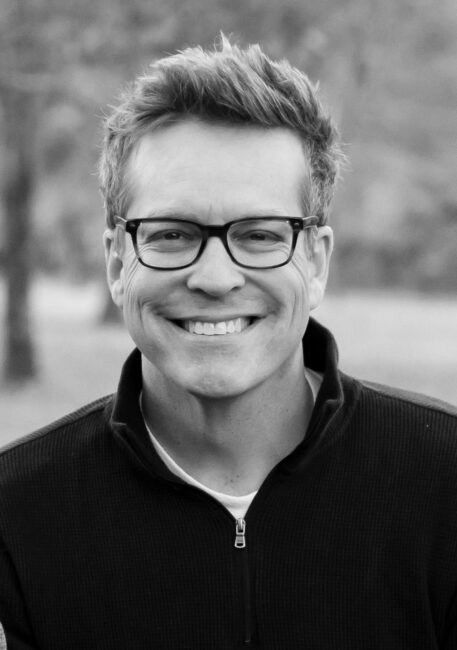
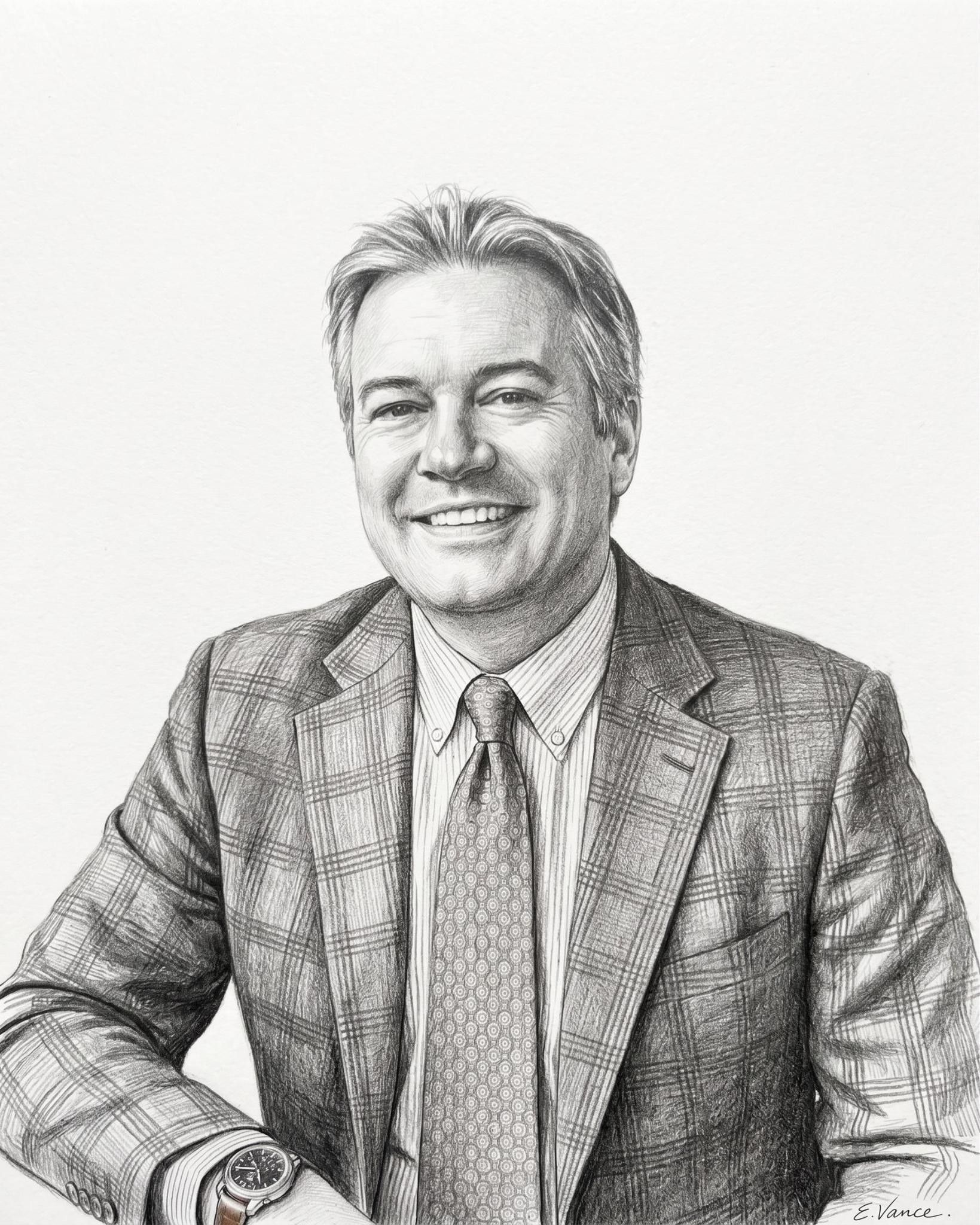
Dennis Wilder, who served as a senior CIA official and a top White House adviser on China, called the moves against Generals Zhang and Liu the “most stunning developments in Chinese politics” since Xi’s rise to power – and said the purges would almost certainly affect the timing of any action against Taiwan.
“If Xi had plans for 2027, I think they’re delayed,” Wilder told The Cipher Brief, referring to Xi’s directive that the military be prepared by 2027 to take taiwan by force. “I don't know for how long but they have to be delayed at this point. There's no way that they're ready to take on a major military confrontation in these circumstances.”
Gen. Zhang was widely considered Xi’s most trusted military aide. Former U.S. National Security Adviser Jake Sullivan, who attended a meeting with Zhang in 2024, told The New York Times that he “spoke in an unvarnished way that was typical of a military guy, but also reflective of someone who didn’t feel like he had to be cautious.” Now Gen. Zhang is the latest and most consequential casualty of Xi’s widening purge.
“It’s fair to say this is a seismic event,” Sullivan said. For Xi to “take out somebody who he had such a long history with is striking, and raises a lot of questions.”
Anatomy of a crackdown
On January 24th the Defense Ministry announced that Generals Zhang and Liu had been placed under investigation for “suspected serious discipline and law violations”. An editorial in China’s Liberation Army Daily said the two men had “trampled on” Xi’s authority and “severely undermined the party’s absolute leadership over the military.” Their actions, the paper said, had caused “massive damage” to the military’s political strength and combat readiness. The Wall Street Journal reported that General Zhang has been accused of leaking nuclear secrets to the United States.
Experts had assumed that Gen. Zhang would avoid the purges, given his rare combination of attributes: a decades-long close relationship with Xi; and a decorated record during the 1979 border war with Vietnam.
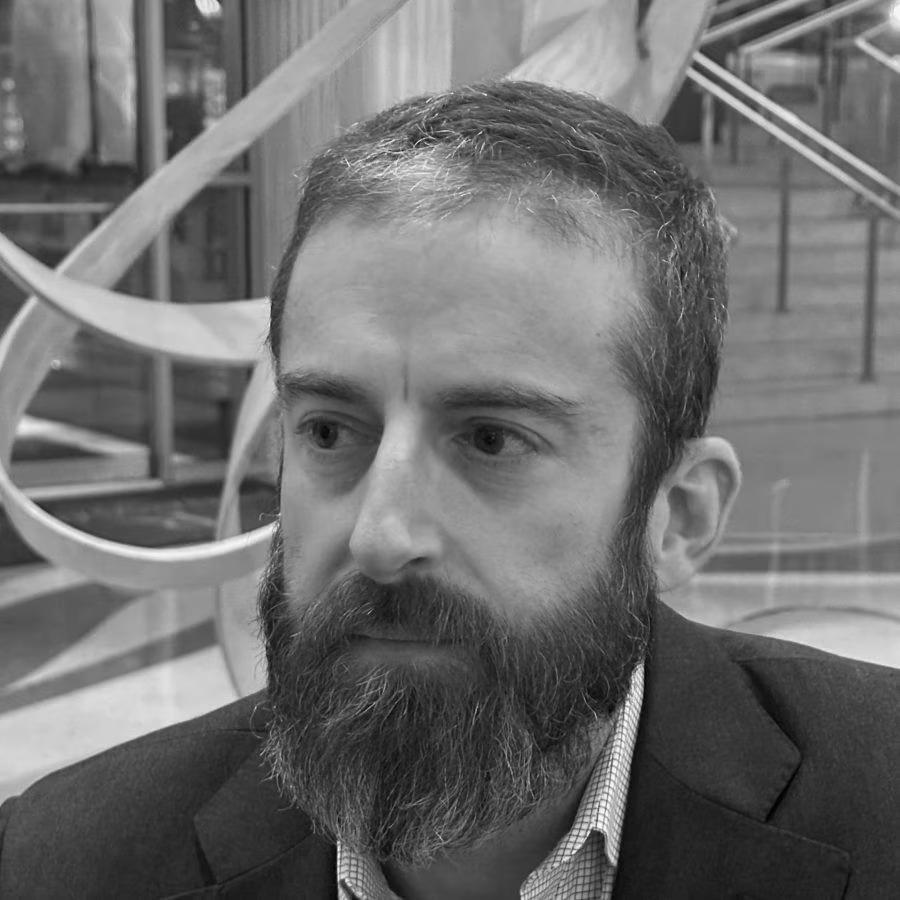
“Zhang matters, both as a combat-tested veteran – which is a very rare commodity within the PLA – but also because he truly understands war,” Shanshan Mei, a China defense expert at RAND and former advisor to the U.S. Air Force on China, told The Cipher Brief. “He truly understands tactics and morale and real combat issues.”
Sign up for the Cyber Initiatives Group Sunday newsletter, delivering expert-level insights on the cyber and tech stories of the day – directly to your inbox. Sign up for the CIG newsletter today.
Since taking power in 2012, Xi Jinping has prioritized a revamping of the military, which was widely seen as beset by corruption and outmoded thinking. He fired dozens of generals and began an overhaul of the People’s Liberation Army (PLA), which was ultimately led by Gen. Zhang. Xi’s purging of the CMC leadership began in 2023 and culminated in last week’s moves against Zhang and Liu.
Last year, Dr. Zi – the RSIS expert – wrote an article about the purges and argued that Zhang Youxia’s removal would likely trigger a crisis within the People’s Liberation Army (PLA). Now, Zi says, that moment has arrived.
“It's going to have trickle-down effects for sure to the operational level,” Zi told The Cipher Brief. “All of Zhang’s associates are going to be put under suspicion. All of Zhang’s underlings are going to feel the pressure as well.”
What it means for Taiwan – and beyond
Experts told The Cipher Brief that the latest ousters will likely have several immediate effects: a drop in PLA morale; less high-level risk-taking and innovation; a disruption in decision-making – involving everything from procurement to high-tech modernization to actual priorities and battle plans; and an almost-certain delay in any military operations against Taiwan.
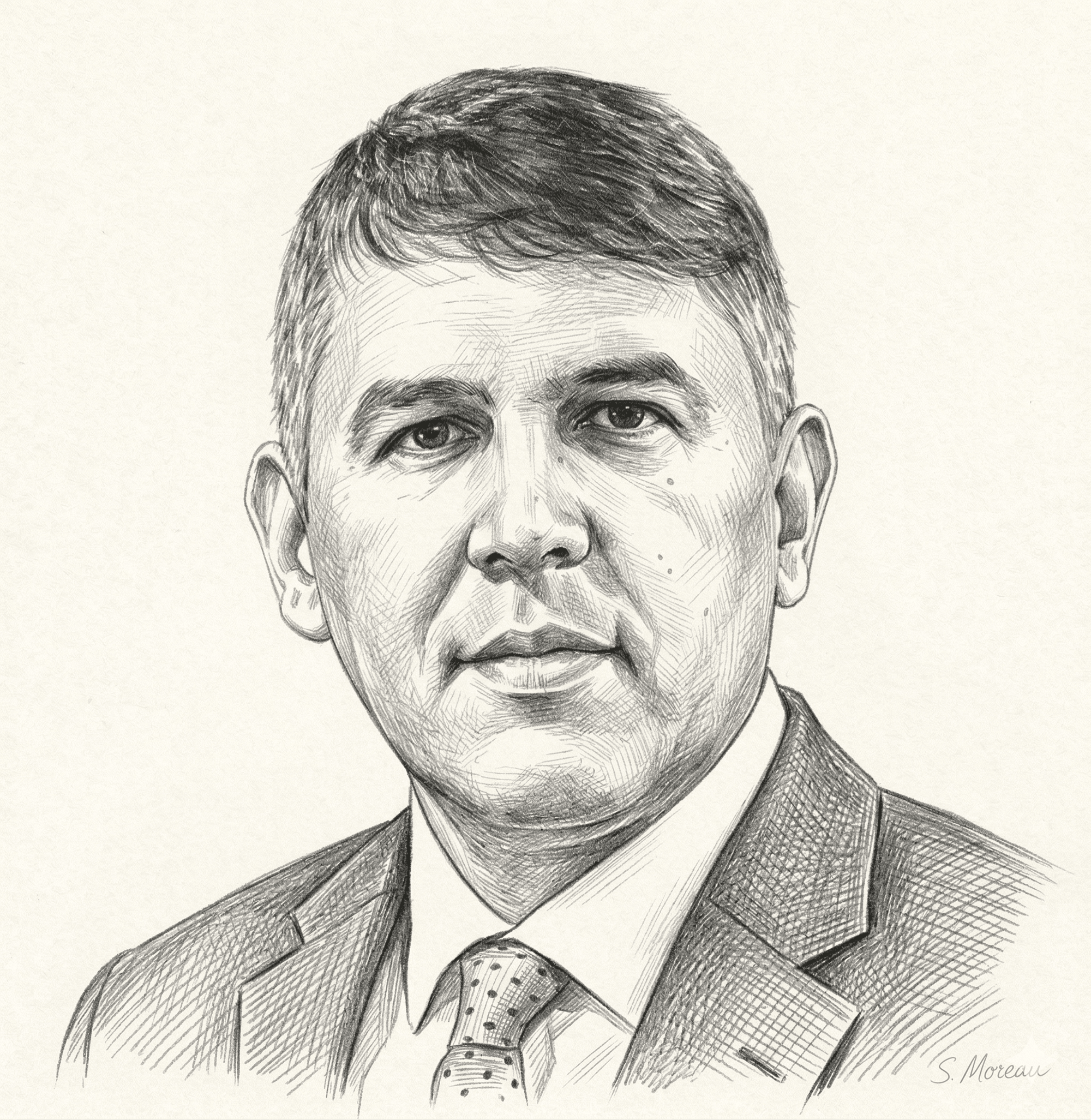
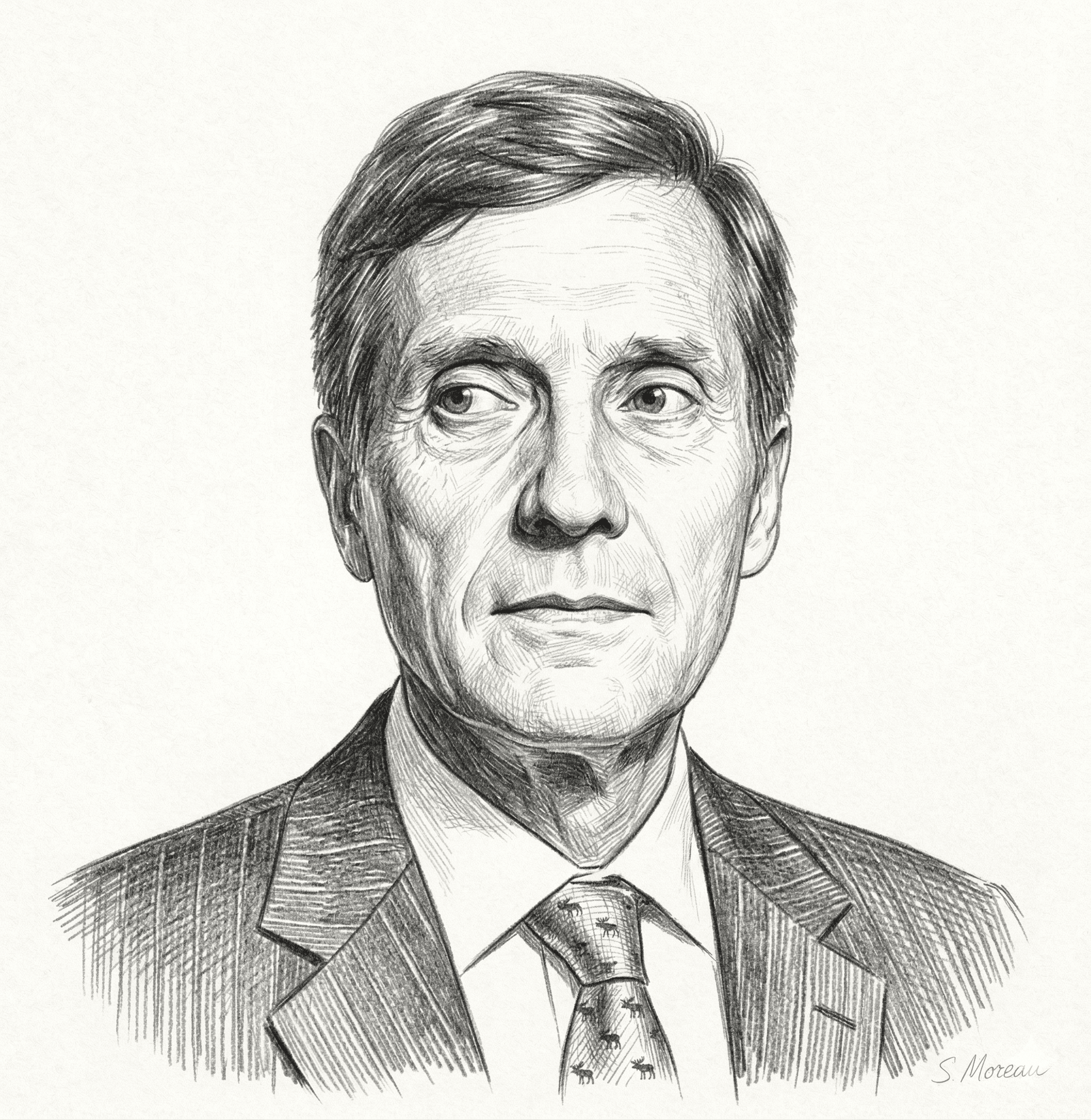
Ambassador Joseph DeTrani, a former CIA director of East Asia operations, wrote an article for The Cipher Brief in October in which he warned that the high-level upheaval within the PLA might impact decisions involving Taiwan. Now he says that delays are inevitable.
“You’ve got to say this is not going to happen [by 2027],” Amb. DeTrani told The Cipher Brief. “And if it is, you have got to wonder, what sort of planning and what sort of leadership would go in? I just don't see how President Xi Jinping could feel even remotely confident that China’s military would be prepared, or is prepared, to use kinetic means to take over Taiwan.”
Zi said that the purging of the two top generals “has clearly damaged the PLA’s operational capacity,” and he, too, doubted that the military could move against Taiwan until the internal turbulence passes and new leadership is put in place.
“Any war in the Taiwan Strait is going to be an extremely complex large-scale military operation,” Zi said. “It will require the mobilization of China’s resources in all realms and mobilization of basically all military services and forces. You need people who are capable and talented in positions to plan and lead these operations.”
Wilder said that while China’s basic military readiness is not in question – “pilots know how to fly their planes…(and) naval and infantry commanders know how to lead their units,” he said – the latest purges will compromise the oversight and execution of any major operations in the near term.
“I don’t think this changes the readiness of PLA forces,” he said. “It’s really about the command structure. I think execution is a problem, because your command structure has been so disrupted.”
That “command structure” has been housed within the CMC, whose only remaining uniformed officer is Gen. Zhang Shengmin, who Zi described as a “political commissar with next to no operational command experience.”
“He’s not a combat veteran,” Wilder said of Zhang Shengmin. “You have to find a general in charge, if you're going to go forward with a plan. Who’s your operational commander?”
Beyond Taiwan, Wilder said the purges risk a broader “paralysis” within the military’s top echelons. “You don't know what's safe anymore, and whether you might be investigated,” he said. “Officers will want to keep their heads down. They won’t want to propose anything. They will simply wait for instructions.” That, he added, will render the military leadership “dysfunctional for a while. It becomes incapable of serious decision-making.”
Experts said decision-making wasn’t a problem for Gen. Zhang Youxia, who was seen as a straight-shooting advisor who wouldn’t hesitate to give Xi less-than-rosy assessments.
“Zhang could give Xi Jinping critical advice and know that Xi would listen,” RAND’s Mei said. “A key question now is: Who is going to give Xi Jinping the Zhang Youxai-style, informed and combat-tested advice, if Xi decides to make any big moves militarily? Who’s going to give him the honest opinion?”
Amb. DeTrani said that morale at lower ranks will be challenged as well.
“It's got to affect the troops,” DeTrani said. “What is the message that Xi Jinping is sending to the troops – that his leaders are all either corrupt or involved in other nefarious activities? It's got to be very demoralizing for the core of the People's Liberation Army.” He said frontline soldiers may go so far as to question their own commitments. “I've been taking orders from these people and told to potentially give up my life to serve the country – and these people are feeding off the trough?" DeTrani said. "They're corrupt and we're hearing that from our supreme leader? How could they expect us to sacrifice so much if they're not invested the same way as we are?”
Who will take their place?
In the near term, all eyes will be on the generals Xi taps to fill the vacancies – and how soon he does so. Wilder said that one of his “best contacts” inside China told him in the wake of the moves against Zhang and Liu that “there’s more coming. There are going to be other generals that go.” Any further bloodletting would suggest an extended period without a fully reconstituted top brass.
Whenever Xi chooses to fill the top-tier positions, he will presumably be looking for loyalists who also bring experience and expertise. But experts said that the trickle-down effect of the purges means that many candidates may be tainted by association to the ousted generals.
“In China, when you take down one person, everything about that person is wrong,” Mei said. “Who is going to replace Zhang? We keep looking one level down, to the theater commanders and political commissars. But many of these people were Zhang Youxian proteges. You take him out, it doesn’t mean that you will have a big collection of qualified, loyal military leaders ready to take over.” She added that among China’s ten theater commanders, “at least 4 or 5 are Zhang Youxian’s people.”
Subscriber+Members get exclusive access to expert-driven briefings on the top national security issues we face today. Gain access to save your virtual seat now.
Several analysts referenced Mao’s 1950s “Red” versus “Expert” ideological formula, in which fealty to the Communist Party (i.e., “Red”) was prized above technical skills. The ideal citizens were "Red and Expert" – people who brought both elements to their work.
“The real question is, can he find the loyalists he needs in those jobs?” Wilder said. “Does he have a slate of candidates? I would presume he cannot leave these positions open for too long.”
“My gut feeling tells me that Xi is valuing loyalty over professionalism,” Zi said. “A military professional may tell you things that you don’t want to hear. If he cannot find someone who is both ‘Red’ and ‘expert,’ he is going to choose someone who is loyal.”
Zi and others added that whoever lands in these positions will have to tread carefully.
“They will have to be extremely cautious about their behavior, their words, they must carry themselves in a more subservient way,” Zi said. “Maybe even total obedience to Xi’s will and Xi’s mind. Because you don't want to put yourself in the same position as Zhang. And they won’t have anything like his capital.”
Outside China, watching with interest
Officials in Taiwan said this week that they were closely monitoring what they called “abnormal shifts” within China’s senior military leadership. That said, Defense Minister Wellington Koo projected a nothing-has-changed approach, saying Taipei would not relax its guard, and noting that China’s war games have continued and Beijing has not changed its position vis-a-vis Taiwan.
Mei, Zi and Wilder all raised concerns about another regional flashpoint: The South China Sea. In their view, Xi may seek to quiet domestic unease about the PLA – and send the rest of the world a message – by initiating a smaller-scale conflict involving those disputed waters.
“I would worry about the South China Sea, because Xi might want to prove that he’s still strong,” Wilder said. “So what do you do? You pick on a small guy. I’d worry about the Philippines. I think we’re going to have to watch for muscle-flexing of some sort.”
Zi voiced the same concern, suggesting Xi might seek a “rally-the-flag” operation in the South China Sea – a “small conflict that might be viewed as easy pickings.”
As for the U.S., the chaos in China’s military leadership offers at least one benefit: the gift of time, as Xi maps out his next steps, and Washington and its Asian allies consider the range of contingencies involving Taiwan.
“You've got a wonderful opportunity,” Wilder said. “Number one, you have time that you didn't have before. We have all these Indo-Pacom plans, we're trying to get AI in the field, drone swarms into the field. It gives us a longer timeline for working with the Japanese, the Philippines, the Australians. That's the good news.”
The Cipher Brief is committed to publishing a range of perspectives on national security issues submitted by deeply experienced national security professionals. Opinions expressed are those of the author and do not represent the views or opinions of The Cipher Brief.
Have a perspective to share based on your experience in the national security field? Send it to Editor@thecipherbrief.com for publication consideration.
Read more expert-driven national security insights, perspective and analysis in The Cipher Brief because National Security is Everyone’s Business