

Australia is entering one of the most complex and psychologically destabilizing security periods in its modern history. The ASIO Director‑General’s Annual Threat Assessment 2025 underscored a strategic environment defined by accelerating foreign interference, sharper geopolitical competition, and a domestic threat landscape that is more fragmented, more digitally enabled, and more unpredictable than at any point in the past decade.
2025’s assessment was notable for its future‑focused framing: a warning that Australia is not simply managing discrete threats, but navigating a structural shift in the security climate itself. ASIO’s futures work, which is normally classified, outlined a trajectory to 2030 marked by intensifying espionage activity, the mainstreaming of conspiracy‑driven extremism, and a rising cohort of younger Australians vulnerable to radicalisation.
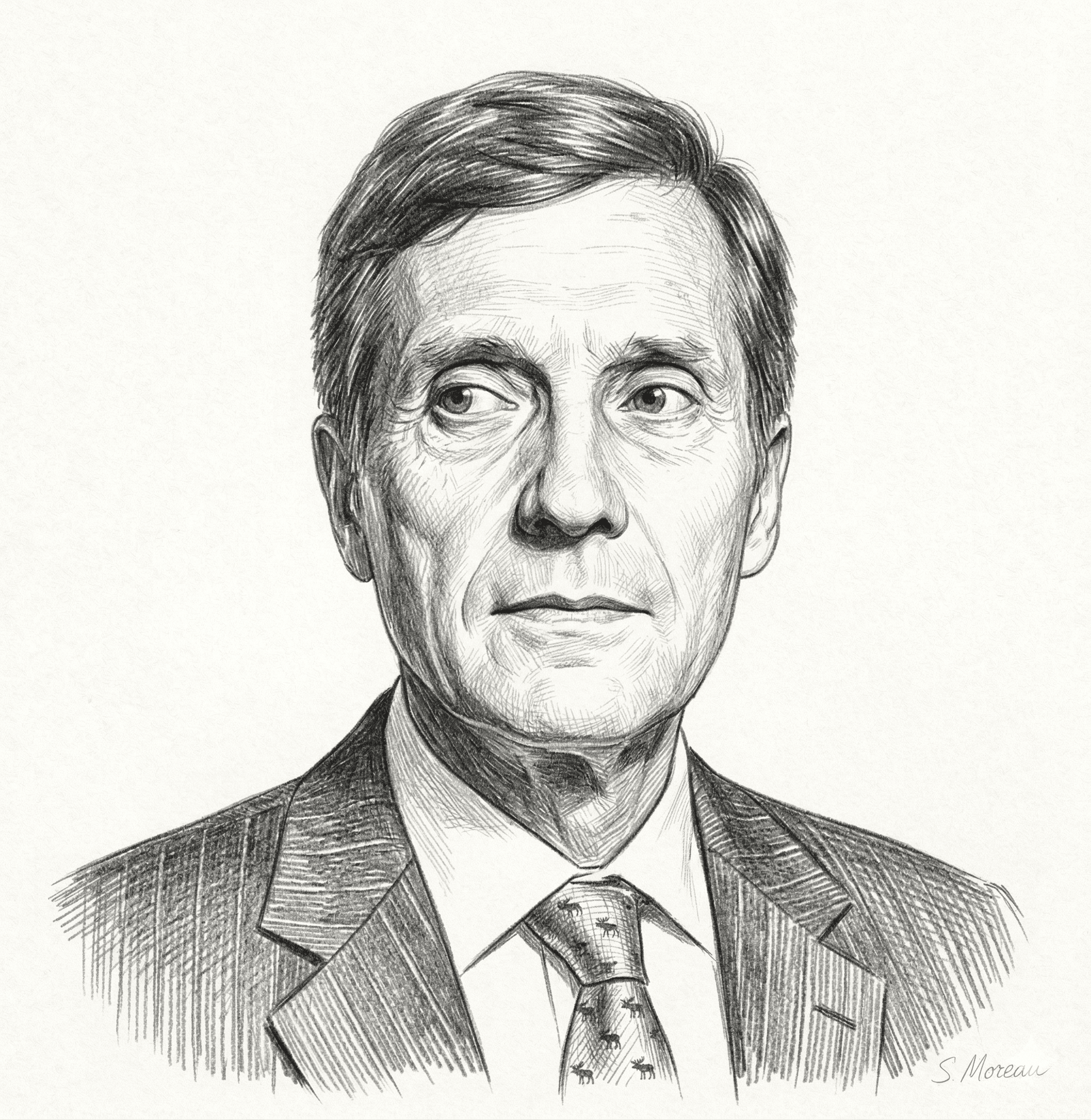
Burgess said: Many of the foundations that have underpinned Australia’s security, prosperity and democracy are being tested: social cohesion is eroding, trust in institutions is declining, intolerance is growing, even truth itself is being undermined by conspiracy, mis- and disinformation. Similar trends are playing out across the Western world. (ASIO)
Against this backdrop, the Bondi attack (on 14 December 2025, during a Hanukkah event at Bondi Beach, where two gunmen opened fire on the crowd) and the consequential Royal Commission on Anti-Semitism and Social Cohesion, have become national inflection points. While the Commission will rightly focus on operational lessons, interagency coordination, and systemic gaps, its broader significance lies in how it has shaken public confidence. Australians are now grappling with the uncomfortable reality that threats can emerge rapidly, across domains, and exploit seams between federal, state, and community‑level preparedness.
Furthermore, recent events in Iran as well as the intensification of others conflicts abroad underscore the importance of strong foreign intelligence agencies to provide governments with accurate information to guide policy and reduce the risk of miscalculation or misunderstanding. Informed decision‑making becomes essential to managing both international and domestic consequences.
This is precisely why the establishment of the National Spy Museum Australia (NSMA) is not a cultural luxury - it is a strategic necessity.
For decades, Australia’s intelligence and national‑security community has operated behind a veil of necessary secrecy. Yet the 2025 threat assessment makes clear that the most significant vulnerabilities now sit at the intersection of public behavior, digital ecosystems, and foreign manipulation. Espionage and interference no longer target only government; they target communities, universities, businesses, and individuals.
A population that does not understand how intelligence works - or why it matters - is a population more easily exploited.
The NSMA addresses this gap directly. By telling Australia’s intelligence story with accuracy, dignity, and national purpose, it provides something the country urgently needs: a civic literacy uplift in how modern threats operate and how national security is actually maintained.
Museums are not typically thought of as instruments of national resilience. But globally, intelligence museums from Washington to Berlin have become powerful soft‑power platforms. They demystify the work of intelligence agencies, build public trust, and attract the next generation of intelligence professionals, including technologists, analysts and linguists.
For Australia, the timing is critical. The Bondi Royal Commission will inevitably expose gaps - some operational, some cultural, some structural. The NSMA offers a parallel national building project: one that strengthens public understanding, honors quiet service, and reinforces the legitimacy of the intelligence mission at a moment when trust is both fragile and essential.
Australia is facing significant changes in the security climate ,which Burgess described as a long‑term shift rather than a passing storm. In such an environment, national resilience is not built solely through classified capabilities. It is built through public comprehension, societal cohesion, and a shared understanding of the threats we face.
The National Spy Museum Australia is, at its core, a nation‑building institution. It anchors Australia’s intelligence story in the public domain at the exact moment the country needs clarity, confidence, and connection to the people who protect it.
In a decade defined by uncertainty, the NSMA offers something rare: a strategic investment in public understanding - one that strengthens Australia’s security from the inside out.
The Cipher Brief is committed to publishing a range of perspectives on national security issues submitted by deeply experienced national security professionals. Opinions expressed are those of the author and do not represent the views or opinions of The Cipher Brief.
Have a perspective to share based on your experience in the national security field? Send it to Editor@thecipherbrief.com for publication consideration.
Read more expert-driven national security insights, perspective and analysis in The Cipher Brief