

It was with alarm that I read the recent New York Times article reporting the regurgitation of a truly terrible idea that, like a bad meal, continues to come up every several years.
The Times reports that the Office of the Director of National Intelligence
is demanding that American intelligence officials turn over the names of all foreign espionage targets, including suspected spies and potential recruits, to create a master list, to avoid inadvertent conflicts between agencies and to better track foreign intelligence threats in real time.
A primary task of any corporate security department or Federal counterintelligence activity is to prevent, deter, and detect human and technical compromises of sensitive information. Even innocent errors can result in massive damage when they reveal sensitive information. Nor is it a secret that any large organization, no matter how carefully it screens its people, may have persons in its ranks who would betray their colleagues and their country. And of course, malign foreign actors routinely seek to access U.S. information systems and classified computing resources.
Just as a comprehensive list of CIA employees, including covert officers serving in dangerous locations, would be of great value to any number of foreign adversaries, so too would the proposed list of espionage targets, suspected spies, and potential recruits. And the drawbacks associated with creating such a list are significant - and potentially catastrophic.
The mere process of assembling the relevant data from within separate departments and agencies would require the assembling of multiple intermediate lists -for example, all subjects of interest from multiple operating components of the FBI, CIA, and additional agencies, each one of which would pose a separate significant and potentially catastrophic counterintelligence vulnerability. Compiled into a single comprehensive set, the theft or leak of the combined list would work incalculable damage to the United States.
Similar proposals have been made for decades. At the very best, they are a solution in search of a problem; for every time two or more agencies trip over one another in the pursuit of intelligence opportunities, there are literally hundreds more occasions in which the existing deconfliction arrangements work exactly as they should.
I spent several years in an ODNI policy position when the Office was first created. From time to time I encountered colleagues from one or another part of the Government, or from outside the Government completely, who sought to establish policies and procedures to address some obscure, long-since resolved, or simply imagined pet peeve. While some concerns truly reflect structural obstacles and warrant serious consideration, sometimes the most responsible thing to do is simply draw the line and withdraw a truly bad proposal. This is one of those times.
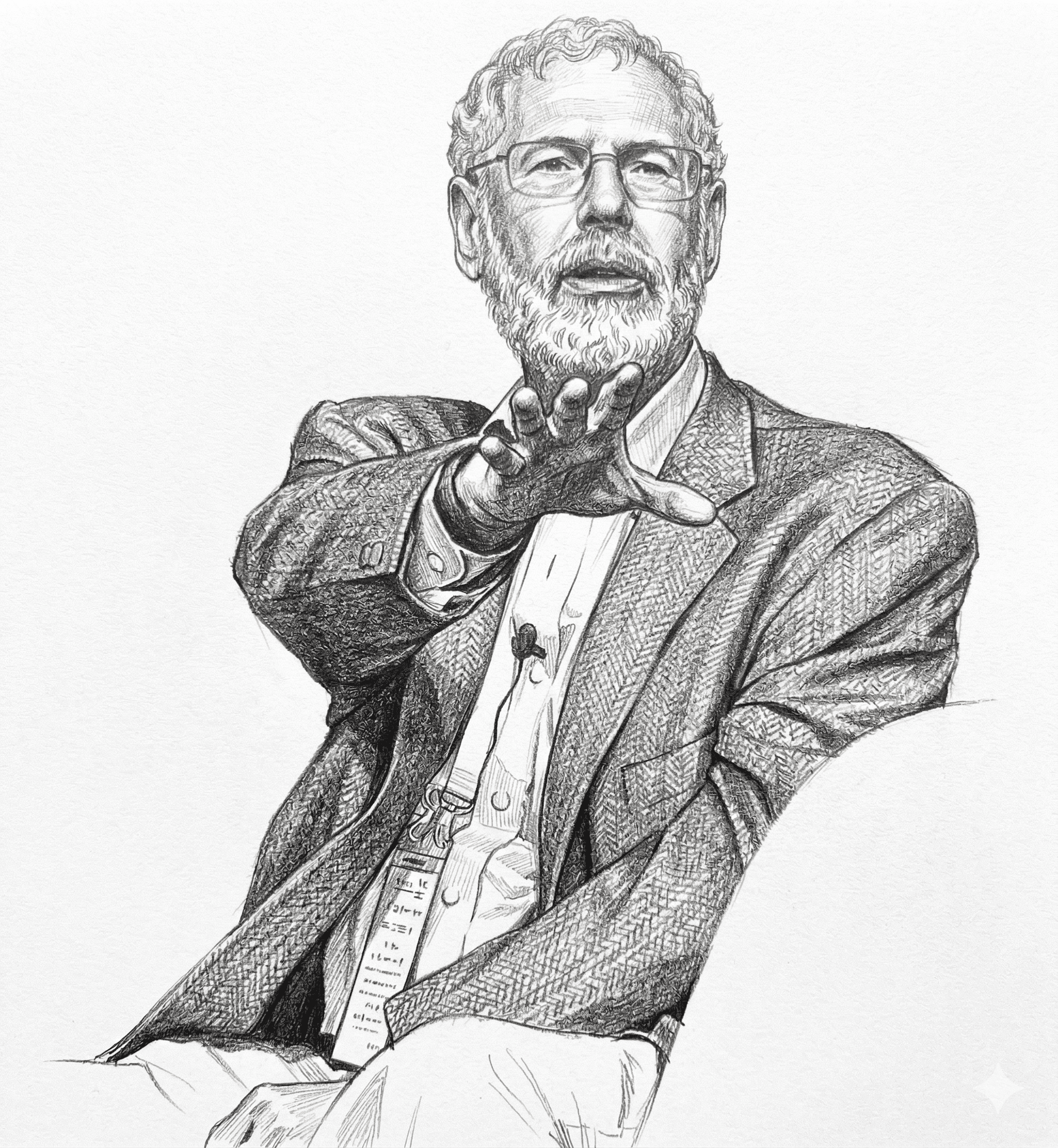
Jonathan M. Fredman is a Non-Resident Fellow at the Princeton University School of Public and International Affairs. He spent 36 years in legal and policy positions at the Central Intelligence Agency and the Office of the Director of National Intelligence.
All statements of fact, opinion, or analysis expressed are those of the author and do not reflect the official positions or views of the U.S. Government. Nothing in the contents should be construed as asserting or implying U.S. Government authentication of information or endorsement of the author's views.
The Cipher Brief is committed to publishing a range of perspectives on national security issues submitted by deeply experienced national security professionals. Opinions expressed are those of the author and do not represent the views or opinions of The Cipher Brief.
Have a perspective to share based on your experience in the national security field? Send it to Editor@thecipherbrief.com for publication consideration.
Read more expert-driven national security insights, perspective and analysis in The Cipher Brief