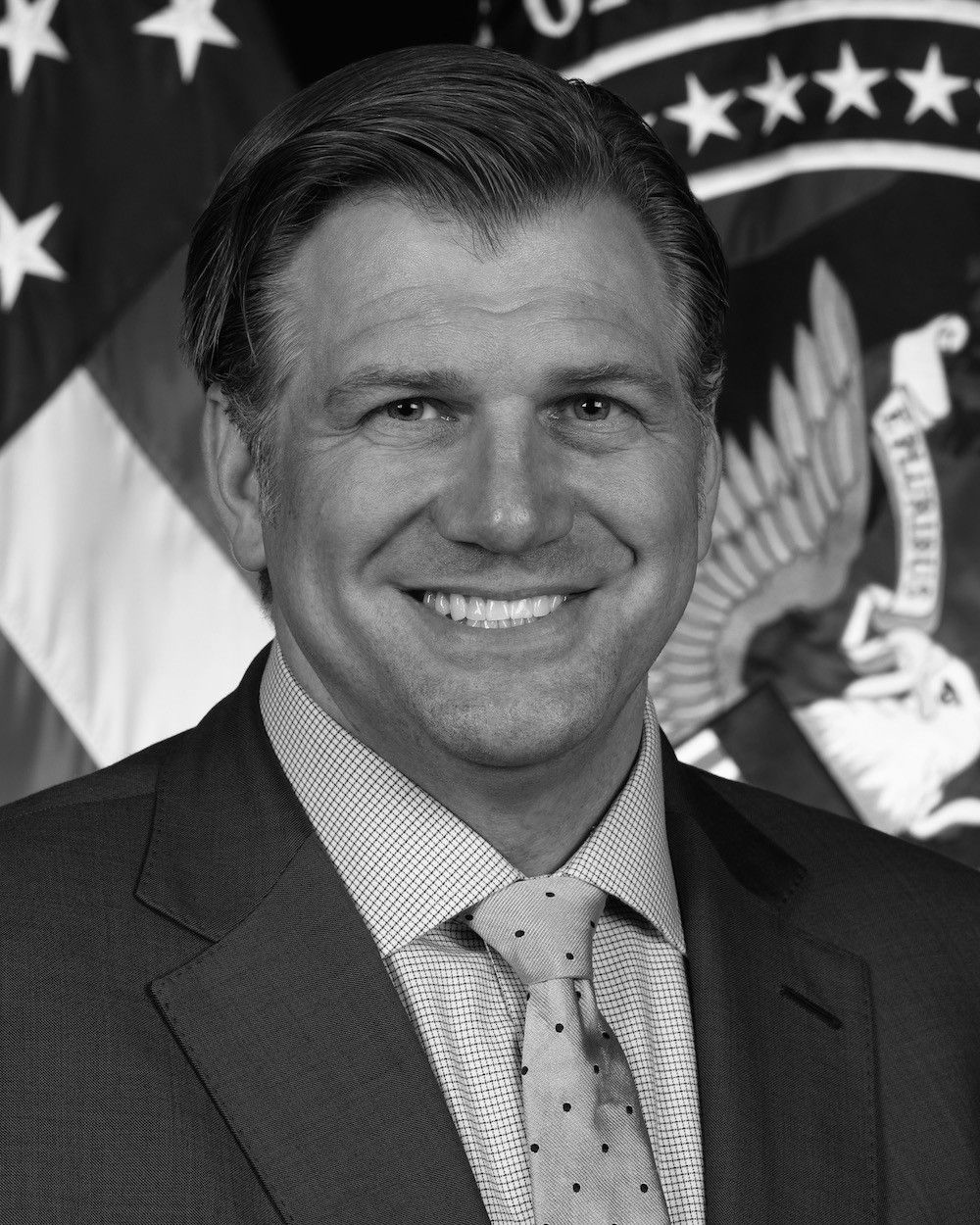


Weeks after declining an offer to serve in president-elect Donald Trump’s administration, retired Army Gen. Jack Keane on Tuesday testified before Congress that the United States is “ill-prepared” to meet the threats against the nation.
Keane, former Vice Chief of Staff of the United States Army and member of The Cipher Brief’s network, appeared at the Senate Armed Services Committee hearing focused on “Emerging U.S. Defense Challenges and Worldwide Threats.”
“We are ill-prepared as we sit here today to meet all the threats that we're facing, and I don't make that statement lightly,” Keane said, as he laid out the variety of challenges facing the U.S. from China, Russia, Iran, and terrorist organizations, as well as from problems with military readiness, technology, and bureaucracy.
Modernizing the military is crucial, Keane said, and it will require some major rethinking inside the Department of Defense. Keane told The Cipher Brief in late November that he turned down Trump’s request for him to serve as defense secretary “for personal reasons having nothing to do with the administration.”
At Tuesday’s hearing, Keane noted that while the United States is “first rate” as a fighting force, “we're absolutely third rate at running the business-like functions of DoD (Department of Defense). Because we're not good at it, we don't know enough to be good at it.” To fix that aspect, the DoD needs to draw from the business community, Keane proposed.
“We should bring in, as the number two guy in the Department of Defense, a CEO from a Fortune 500 company the last five years that's done a major turnaround of a large organization,” he told the senators. “We need business people help us do this. We need a CFO, not a comptroller in DoD.”
“That CFO has the background that's necessary to look at business practices in the DoD, where cost base analysis and performance, internal control, auditing, rigorous financial reviews, cost efficiency, and dealing with waste,” he added.
The Washington Post on Monday, meanwhile, reported that the Pentagon suppressed an internal report that revealed $125 billion in administrative waste in its business operations.
At Tuesday’s hearing, Keane, along with Brookings’ Robert Kagan and the Center for a New American Security’s Shawn Brimley, spoke about the importance of the next administration upholding commitments to allies and partners, focusing its efforts on combatting cyber threats, and closing the military’s capability gaps.
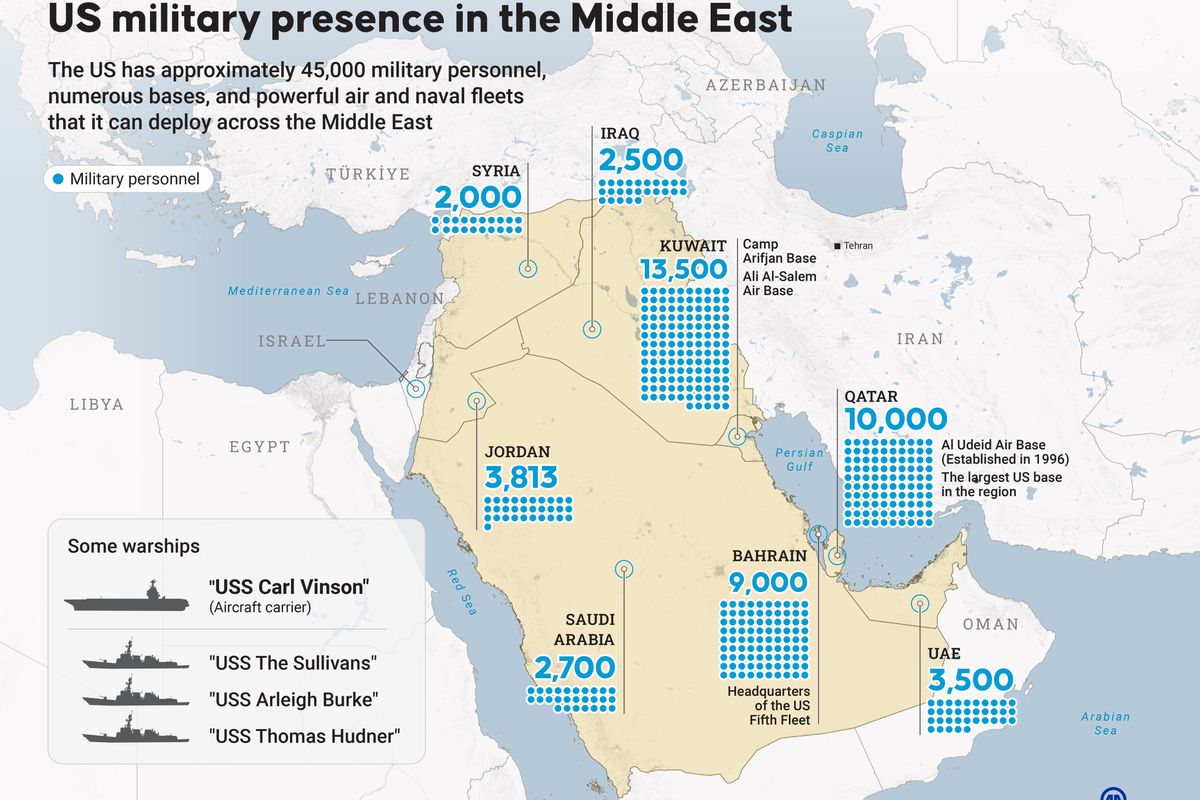
Committee Chairman John McCain noted that the next administration needs to develop comprehensive strategies to deal with a wide variety of challenges on the world stage, such as addressing Russian or Chinese aggression, the threats from North Korea, whether to shift the relationship with Iran, how to deal with the campaign against ISIS, and what to do in the war in Afghanistan.
Keane called for new policies to deal with ISIS, particularly given its spread around the world, as well as specifically in Syria, “because we don’t have an effective ground force.” More broadly, Keane also pointed to “radical Islam,” which he called the “multigenerational problem of the 21st century,” as an area that demands a more defined policy.
With Iran, the U.S. needs an “unequivocal policy that says we are not going to let Iran have a nuclear weapon. And we would use the means necessary to stop it if necessary,” according to Keane. On Russia and China, Keane said that “strength and resolve in dealing with both of them” will be recognized by Moscow and Beijing.
“I truly believe that Russia's aggression needs to be stopped. Credible deterrence is a way to do it, and the resolve in that deterrence. Russia only wants to be an equal partner with United States to be on the world stage, grant them that, but we should make no concessions to them until they change their behavior,” he said.
Mackenzie Weinger is a national security reporter at The Cipher Brief. Follow her on Twitter @mweinger.