

Skip to content
Search

Latest Stories

TCB Conference Banner
cipherbrief

Welcome! Log in to stay connected and make the most of your experience.

Input clean

The Cipher Brief: National Security news, analysis and expert commentary.
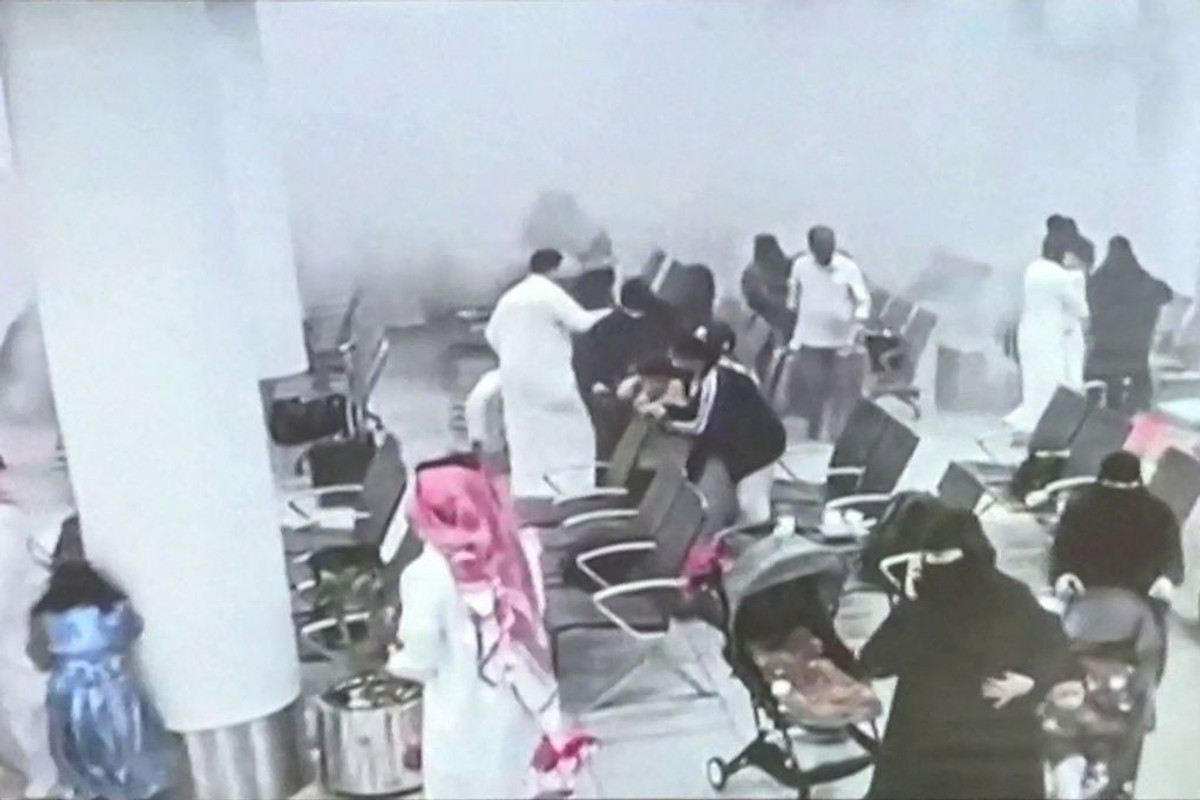
DNI Day Two: Building the Intelligence Community for 2045

A new DNI should refocus ODNI on enterprise leadership, modernize intelligence investment, and close the seams adversaries exploit across the national security landscape.

CIA

Author's NoteIn our first paper, DNI Day One: Three Strategic Decisions for National Security Evolution, we identified three challenges confronting [...] More

Open Source Report logo

The Open Source Report
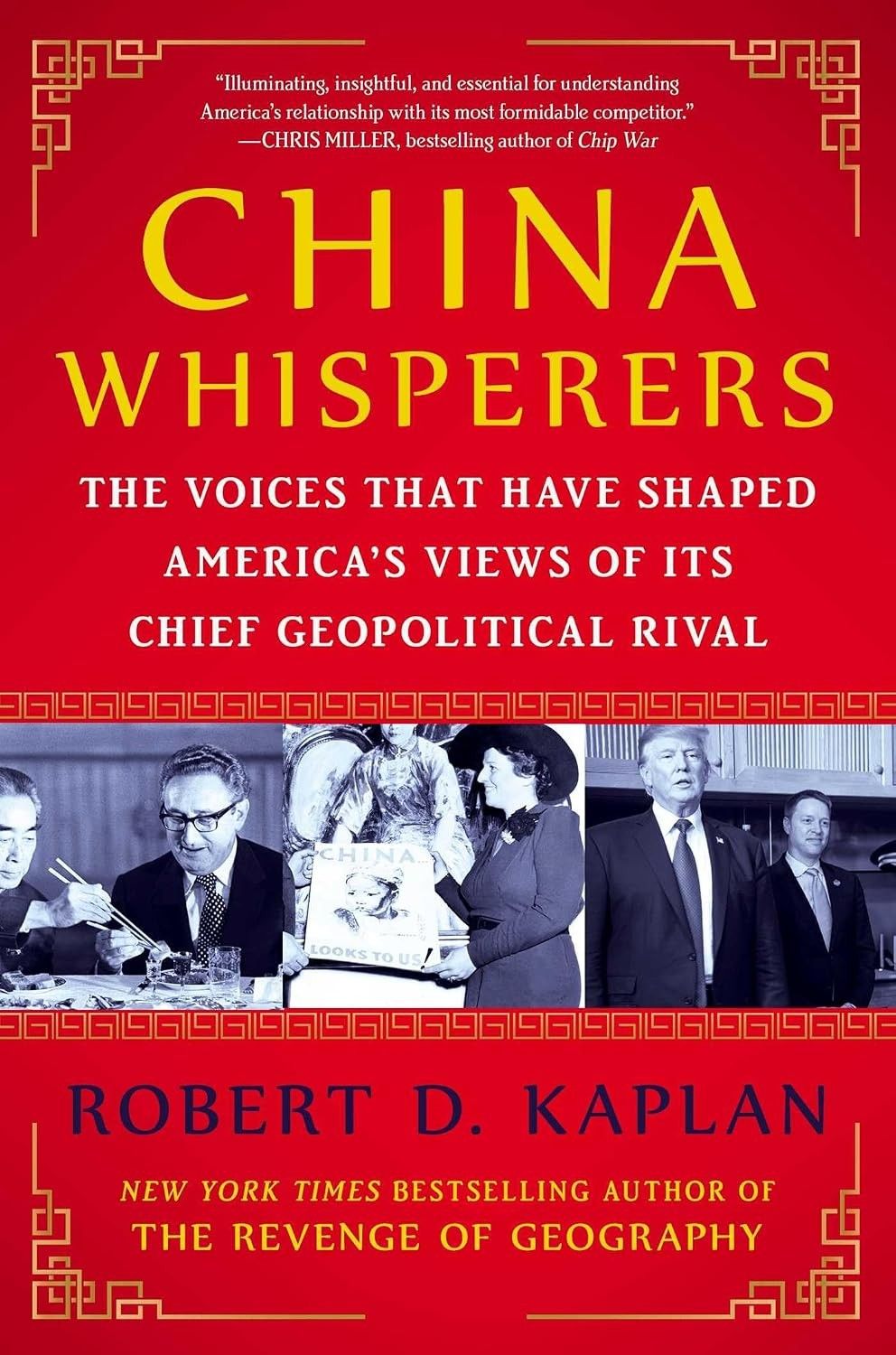
OMAN-IRAN-US-ISRAEL-WAR

Global Intelligence Report for Monday, June 29, 2026

U.S. says it has agreed with Iran to halt attacks and renew talks after trading strikes

Russia will press on with front-line campaign regardless of Ukraine proposals, Putin says

China adds 20 Japanese entities to export control list over remilitarization concerns

Security researchers say Chinese AI systems match Anthropic’s in cybersecurity

Access Today’s Report

Expert Insights

Cipher Brief Experts bring context to today’s global events

Opinion

When the Caller Knows Your Name: Cyber Fraud, Banks, and What America Can Do About It

Kelly Bissell

Your phone buzzes with a text from your bank: “Did you authorize a $2,400 transfer? Reply NO to stop it.” You reply, and seconds later a calm “fraud agent” calls, knows your name and the last four digits of your card, and [...] More

Opinion

Don’t Permit Iran to Enrich Uranium

Ambassador Joseph DeTrani

Ideally, Iran should not be permitted to enrich uranium, even at the 3.67% low enriched uranium level, enough for nuclear reactors to generate electricity, not a nuclear explosion. The Treaty on the Non-Proliferation of [...] More

News & Analysis

Propaganda paintings with american flag an "Down with the USA text" in Tehran, Iran - stock photo

What Iran Wants and How It Can Still Fight

U.S. Vice President JD Vance is touting success out of the latest round of talks in Switzerland focused on seeking a permanent end to the war in [...] More

Opinion

The AI Bubble and the Growing National Security Problem

The AI bubble is not a capability bubble. It is an expectation bubble. National security leaders are treating AI as a replacement for analysts, [...] More

What’s on The Cipher Brief’s Digital Channel

Book Reviews

A RECRUITMENT INCENTIVE TO DIE FOR: Russia is reportedly having trouble finding men who are willing to die for Moscow’s war in Ukraine, and the math may explain why. According to Russian military bloggers - cited by historian Peter Frankopan in Foreign Policy - the average new Russian recruit can expect to survive between 10 days and three weeks from arrival at a training ground - to death in a combat zone. Once on the battlefield, that window narrows to somewhere between 20 and 35 minutes. Moscow is said to be offering bonuses of up to $80,000 in cash and $140,000 in debt relief. These are incentives that, measured [...] More

Get The Drop

Events

Live Events

2026 Threat Conference

2026 Threat Conference

The Cipher Brief Threat Conference is the nation’s premier forum for non-partisan discussion of global threats and solutions as well as high-level [...] More

Upcoming: 25 October, 2026

The Cipher Brief 2027 HONORS Awards

The Cipher Brief 2027 HONORS Awards

Join us for the third annual Cipher Brief Honors Dinner, the evening of April 9, 2027. This Black-Tie event is invite-only. Please apply here for a [...] More

Upcoming: 09 April, 2027

Podcasts

State Secrets

What happens when one of Hollywood's most influential futurists sits down with a former NSA Director?


In this special State Secrets conversation, Ronald D. Moore—the creator behind For All Mankind, Battlestar Galactica, and Star Trek—joins former NSA and U.S. Cyber Command Commander Gen. Timothy Haugh to explore the increasingly blurred line between science fiction and national security reality.

From the new space race and AI-powered disinformation to cyber warfare, Russia, China, and the future of conflict, this wide-ranging discussion reveals how the stories we imagine today may become tomorrow's strategic challenges.

Are we entering a technological revolution as consequential as the space race? And who is best positioned to anticipate what's next—the intelligence community or the storytellers imagining the future?