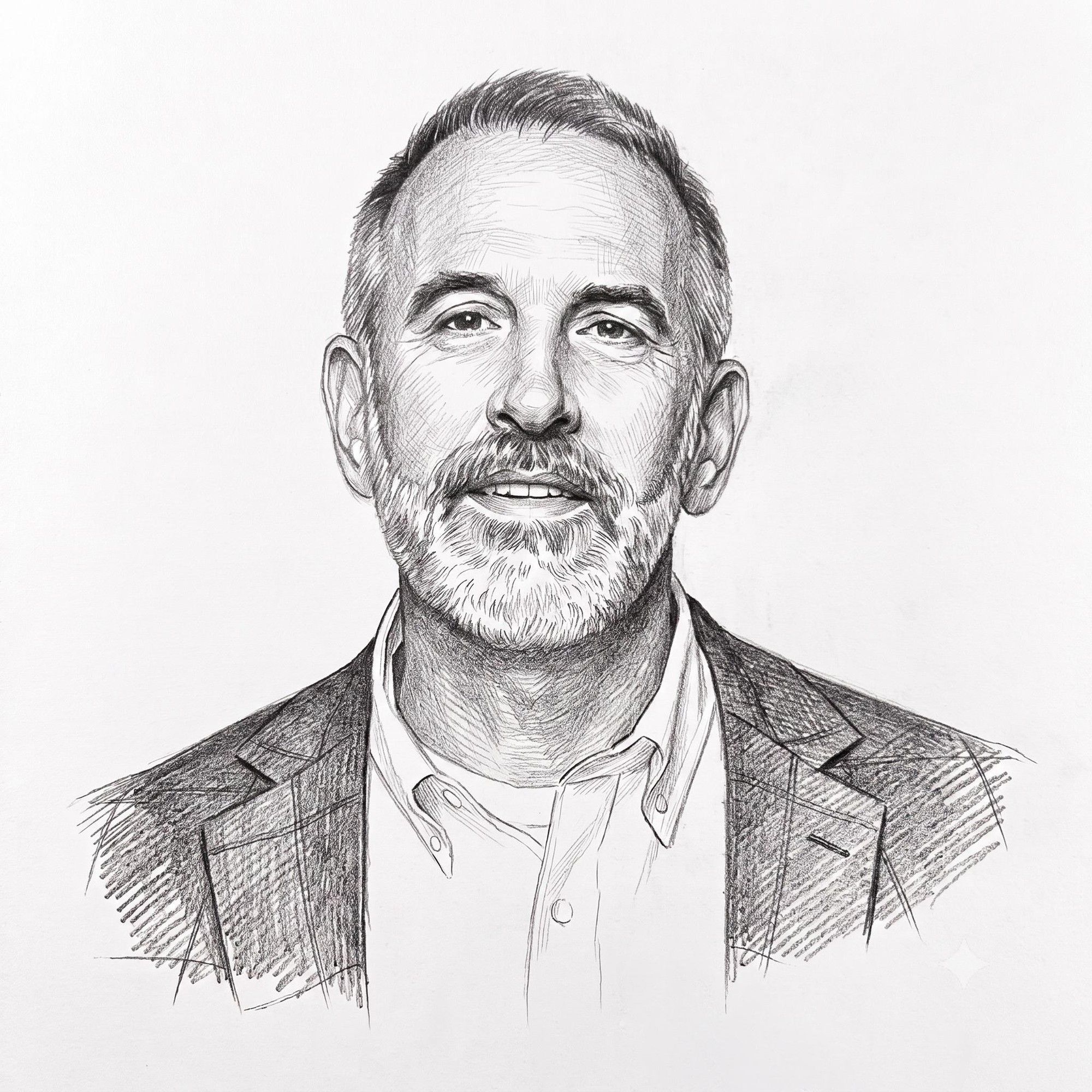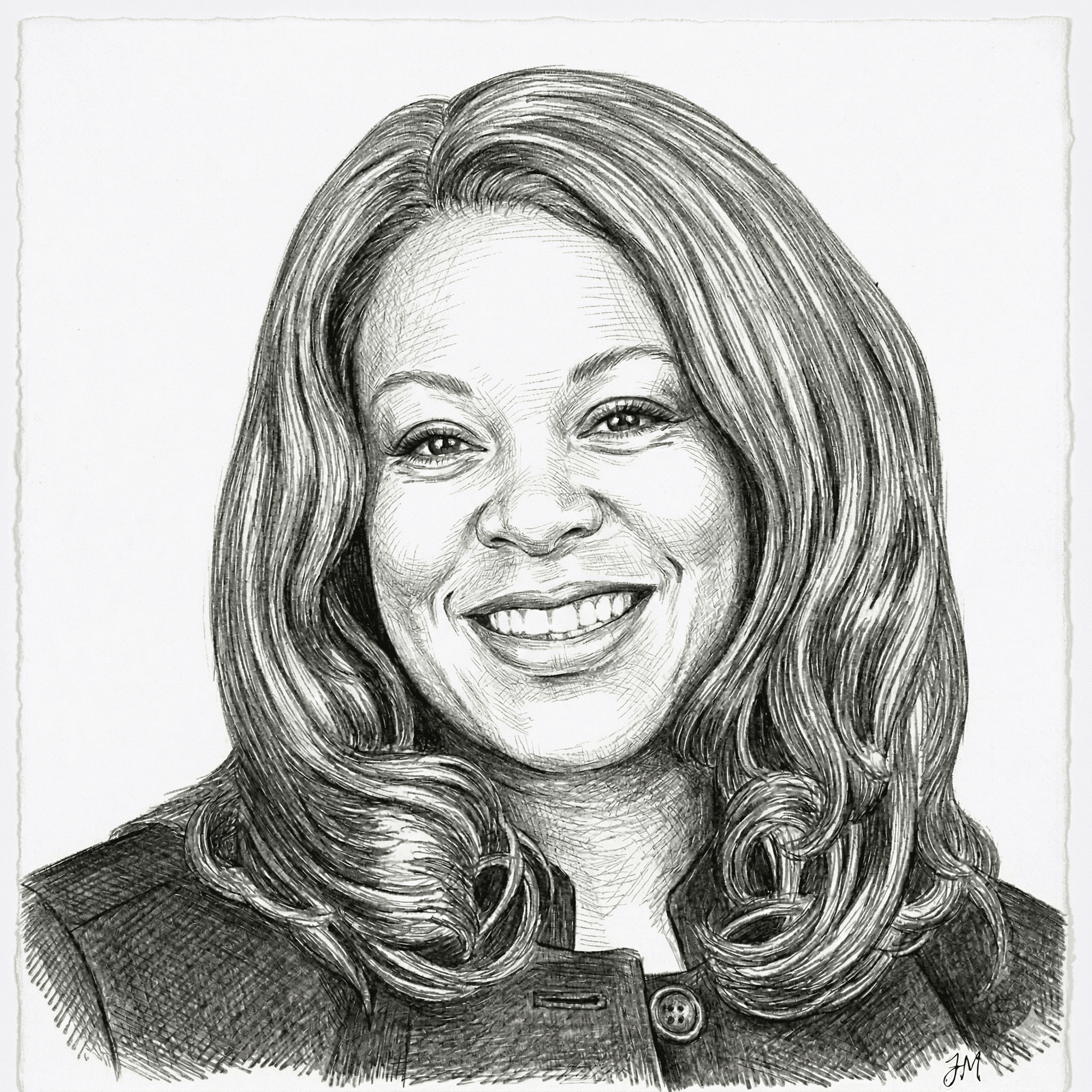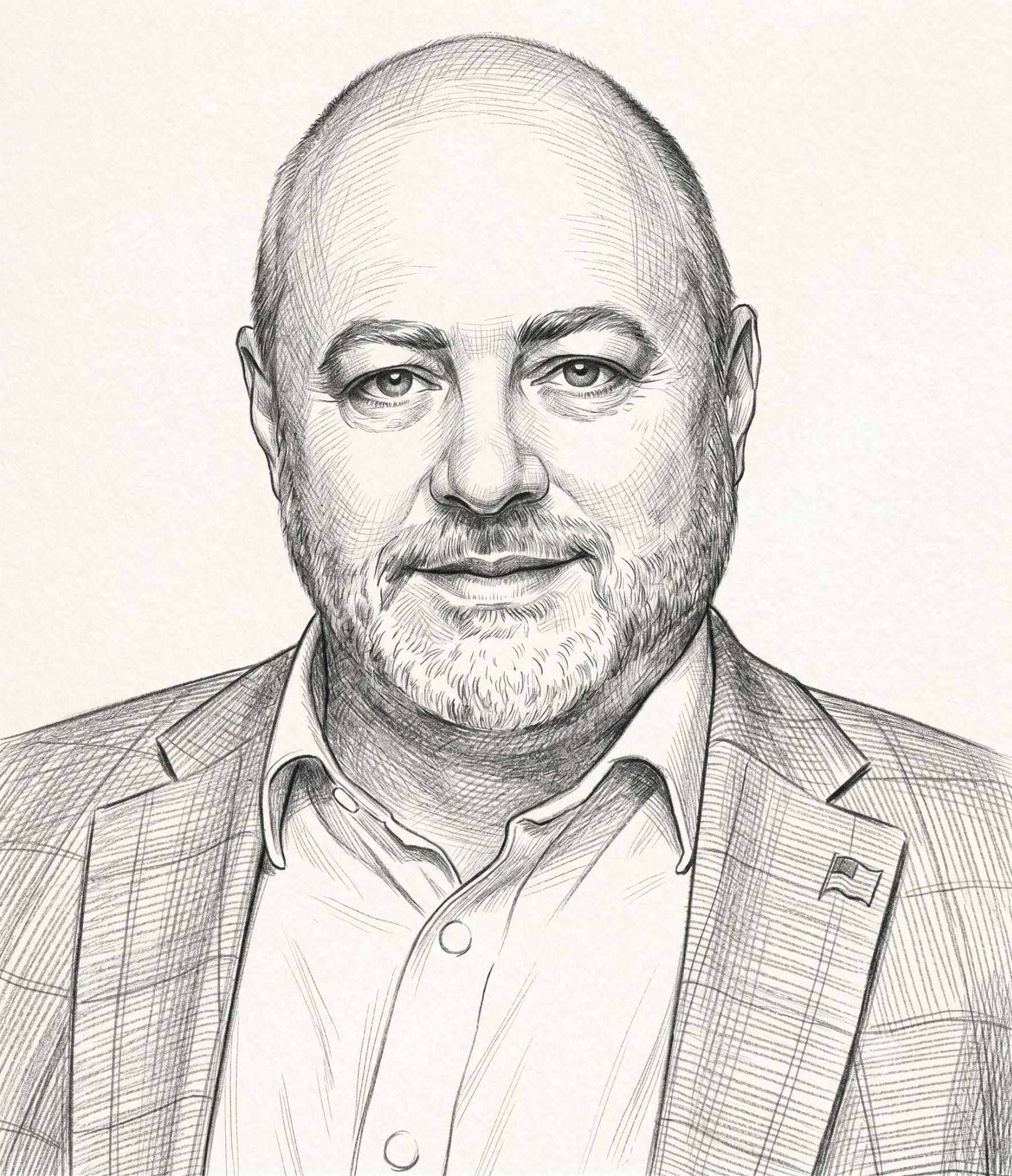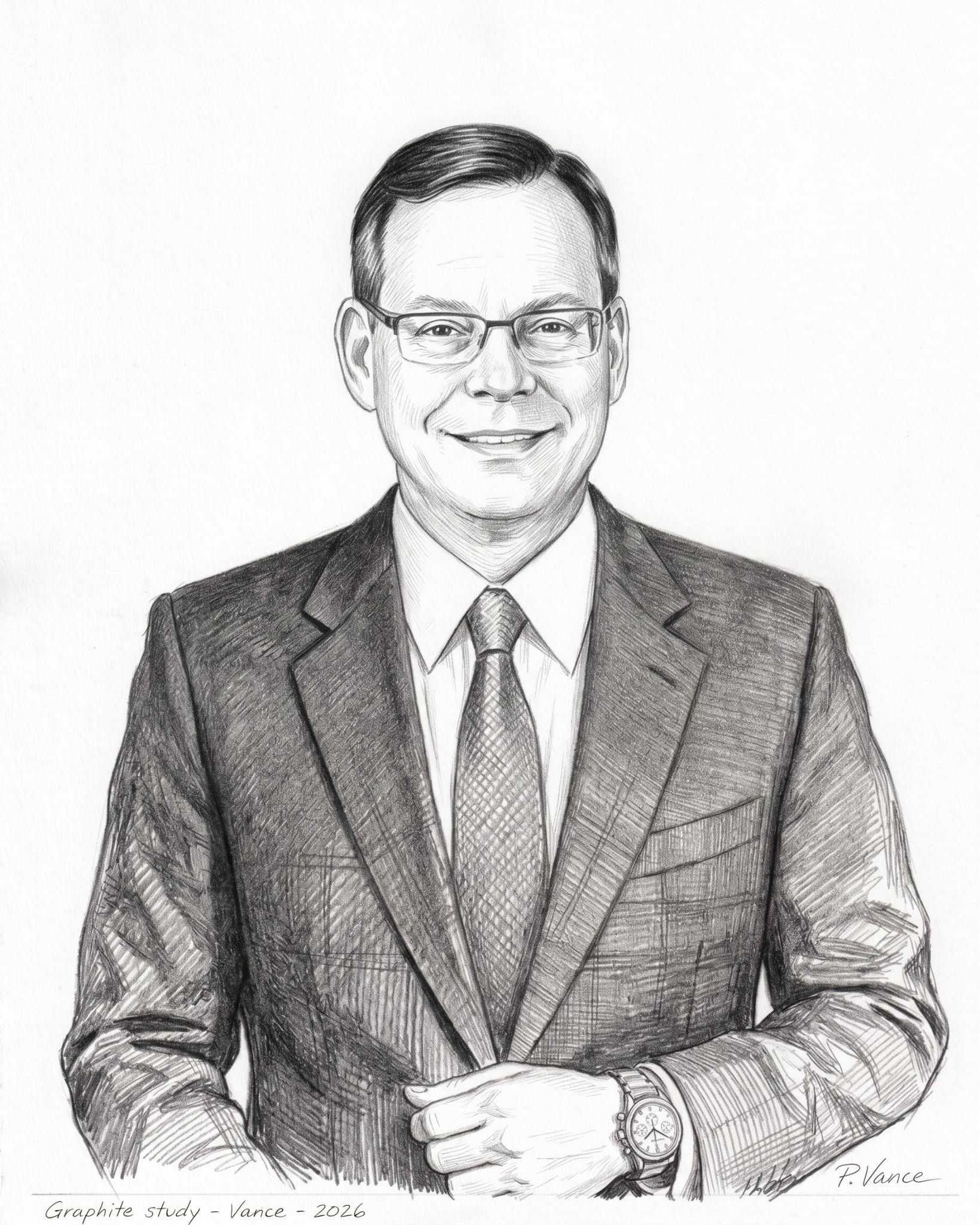

OPINION — “We [the U.S.] began as a sliver of a country and next thing you know we're a continental power, and we did not do that primarily through our great diplomacy and our good looks and our charm. We did that primarily by taking the land from other people.”
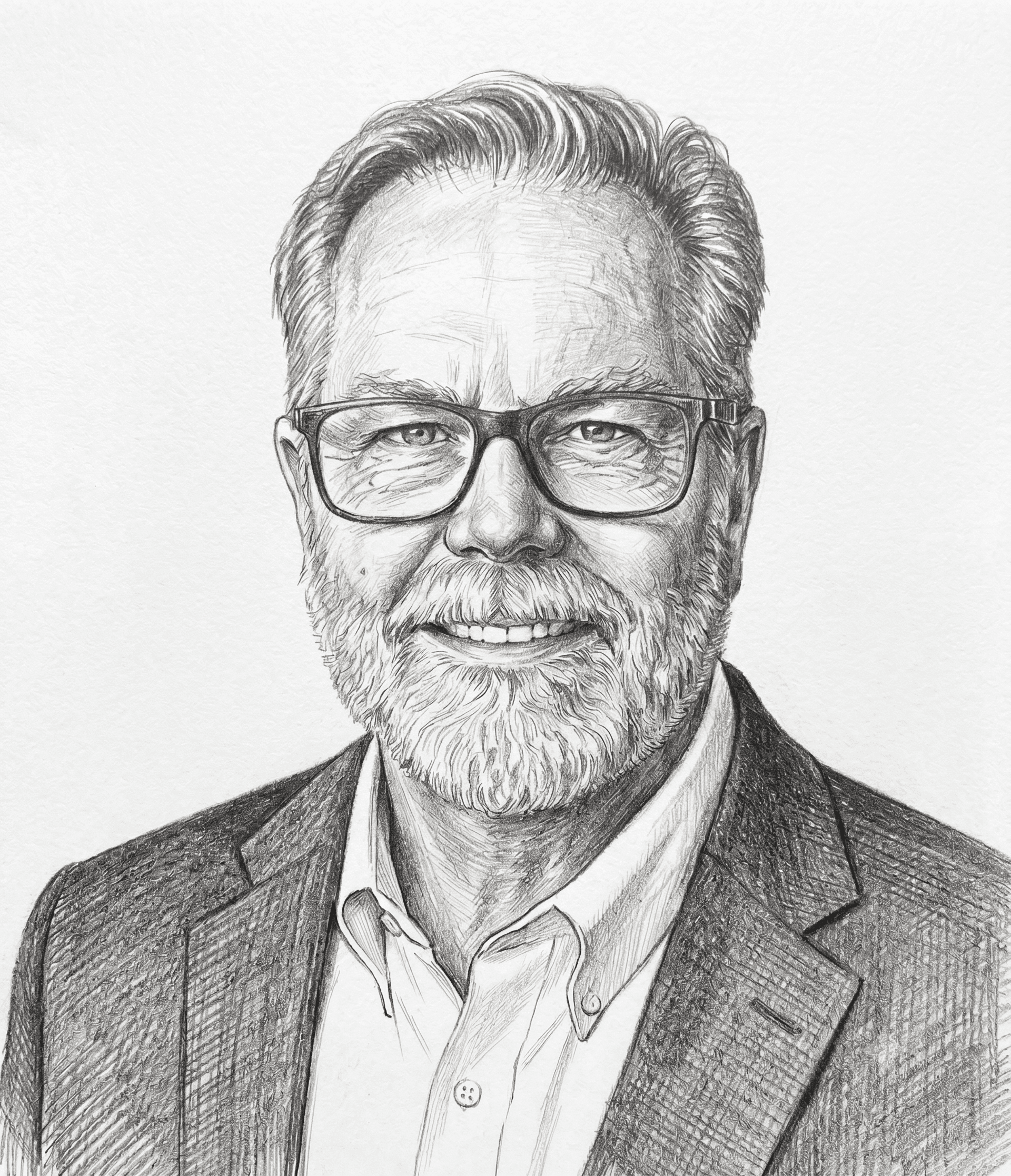
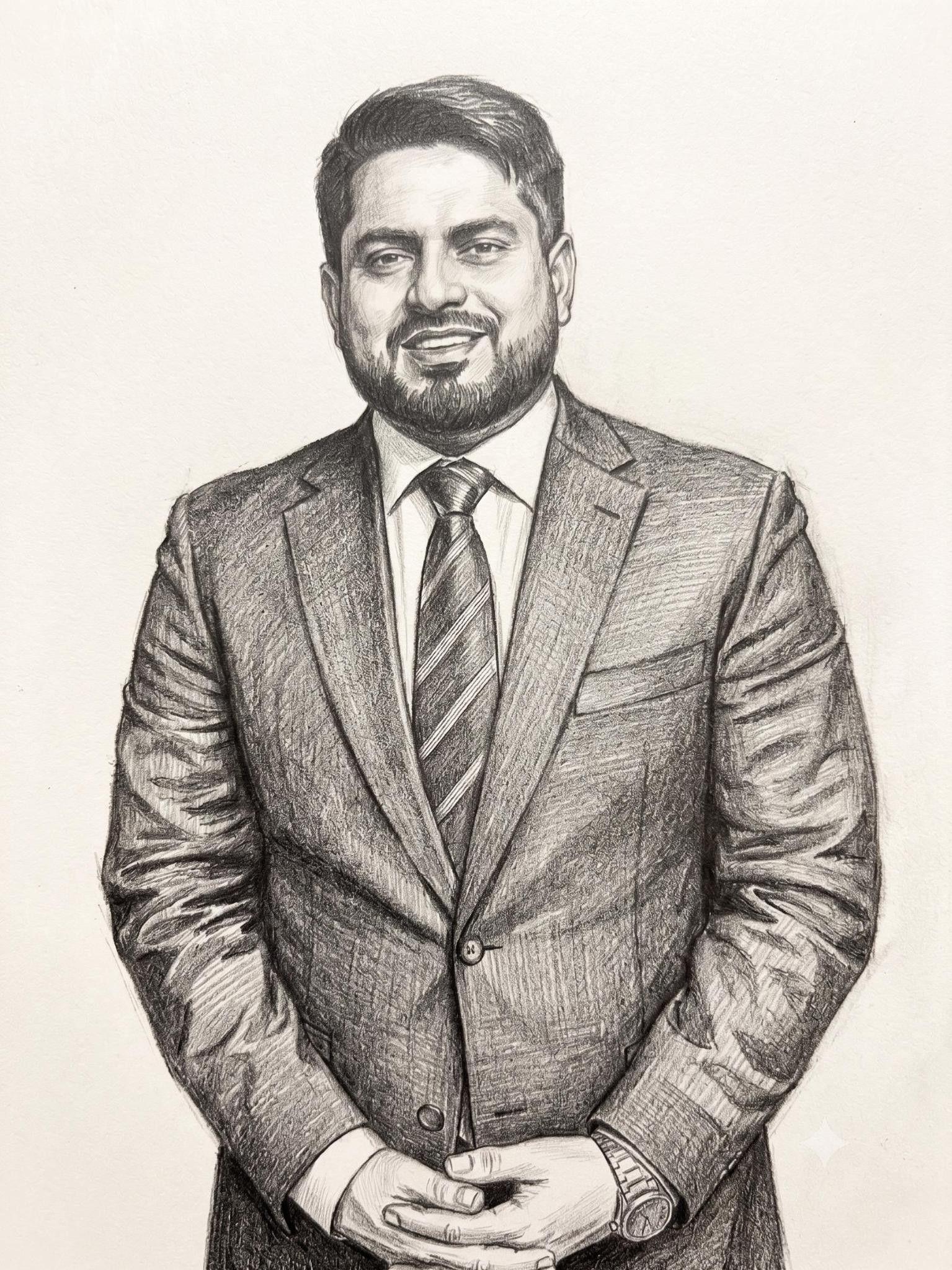
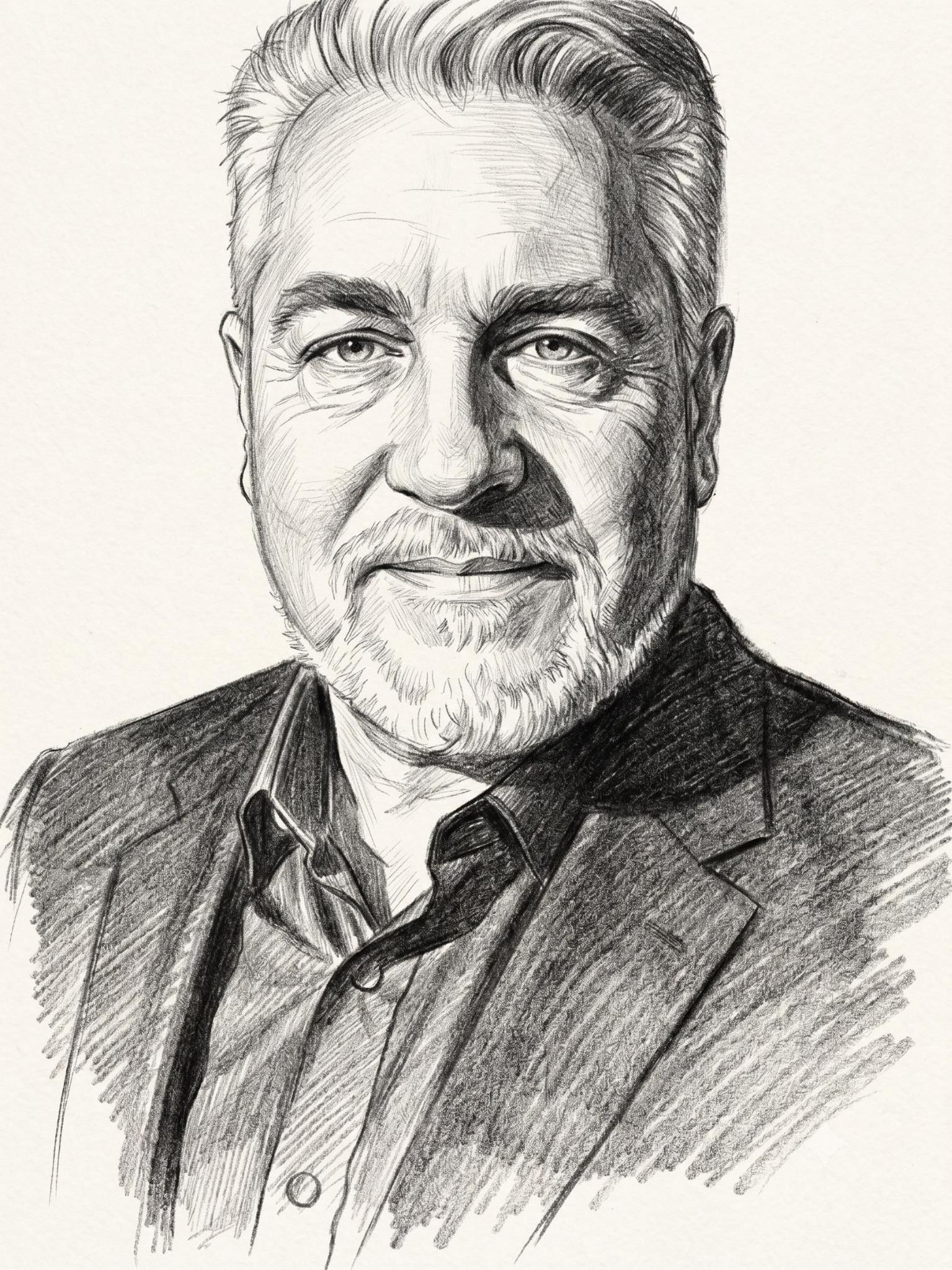
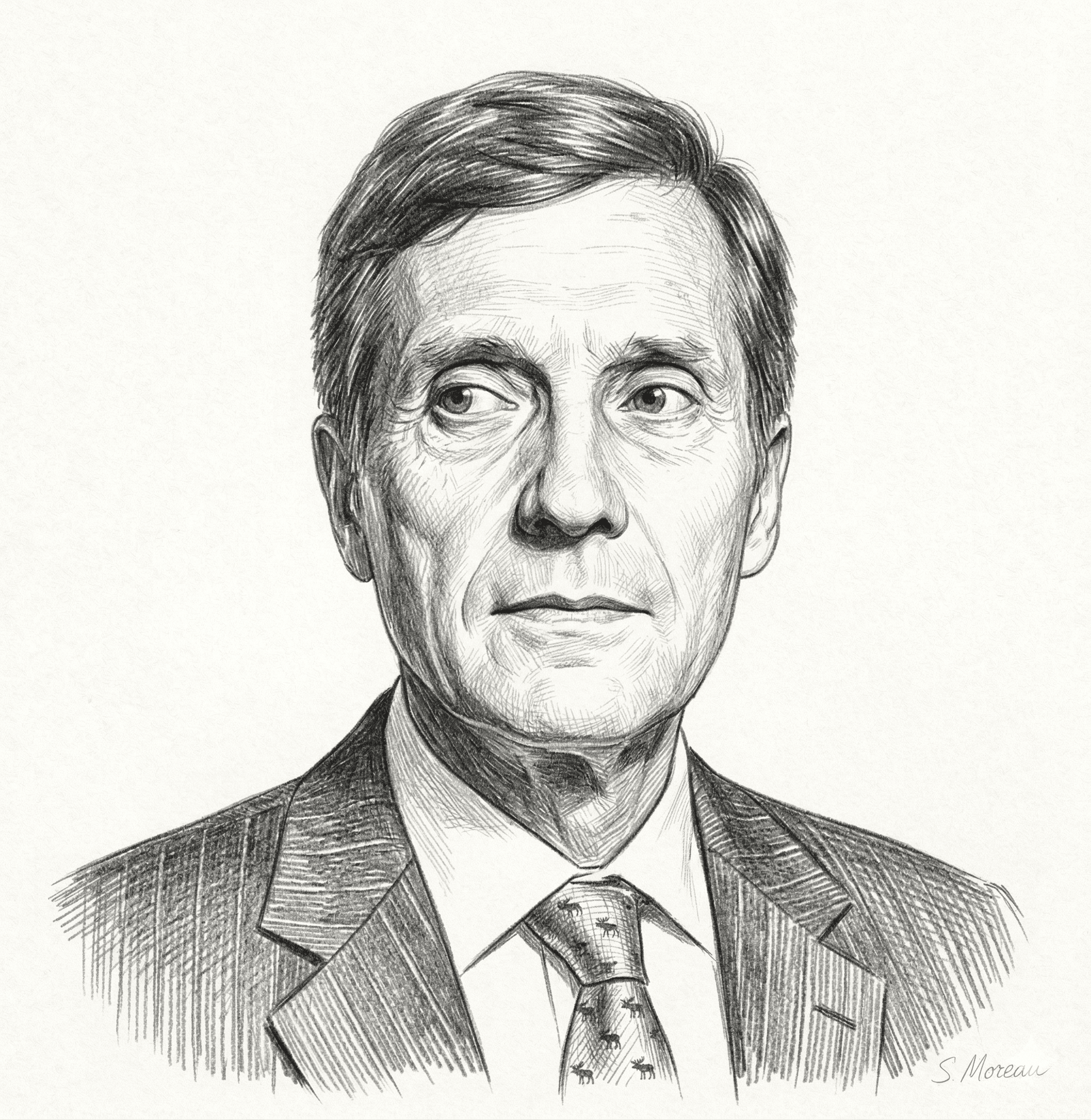
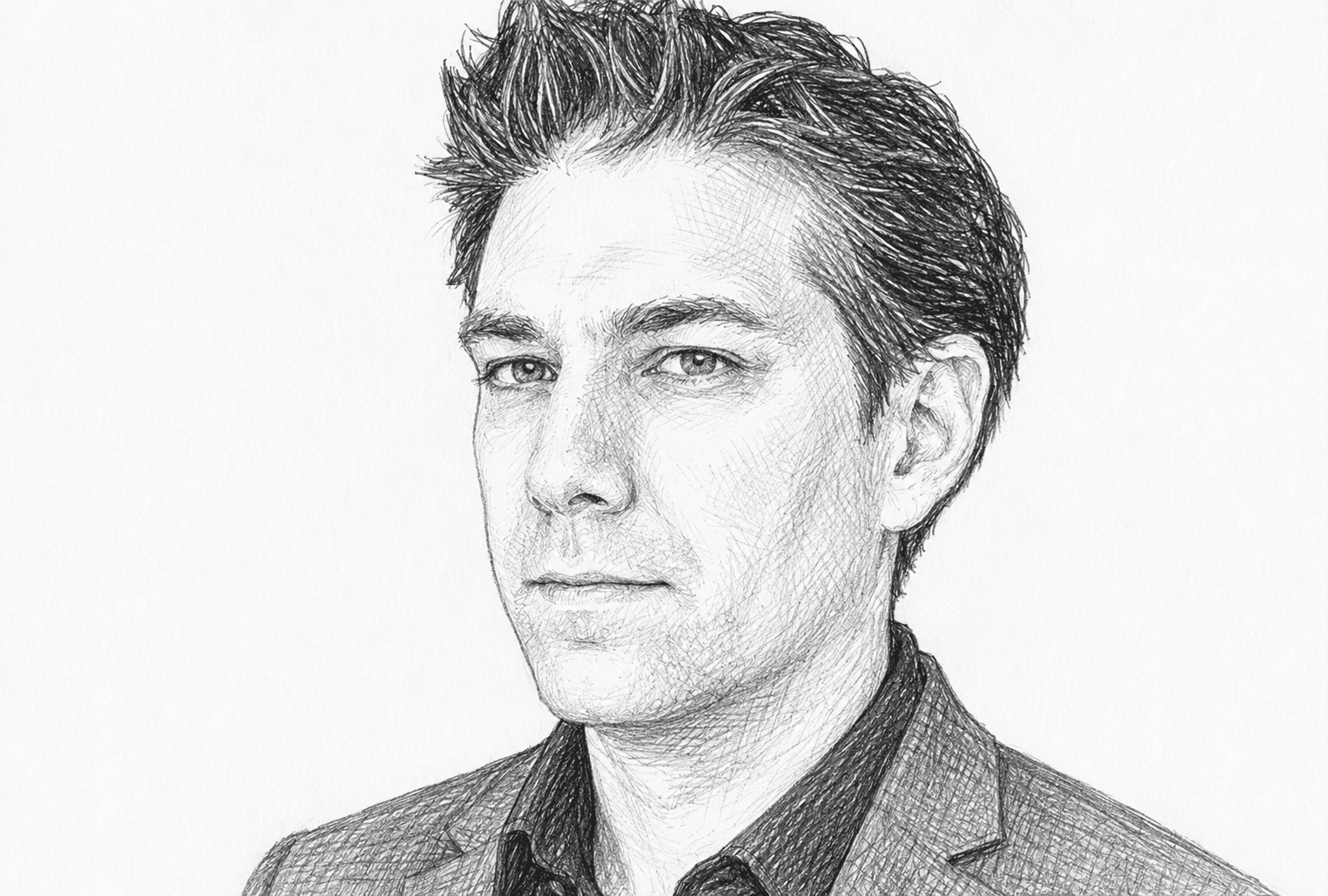
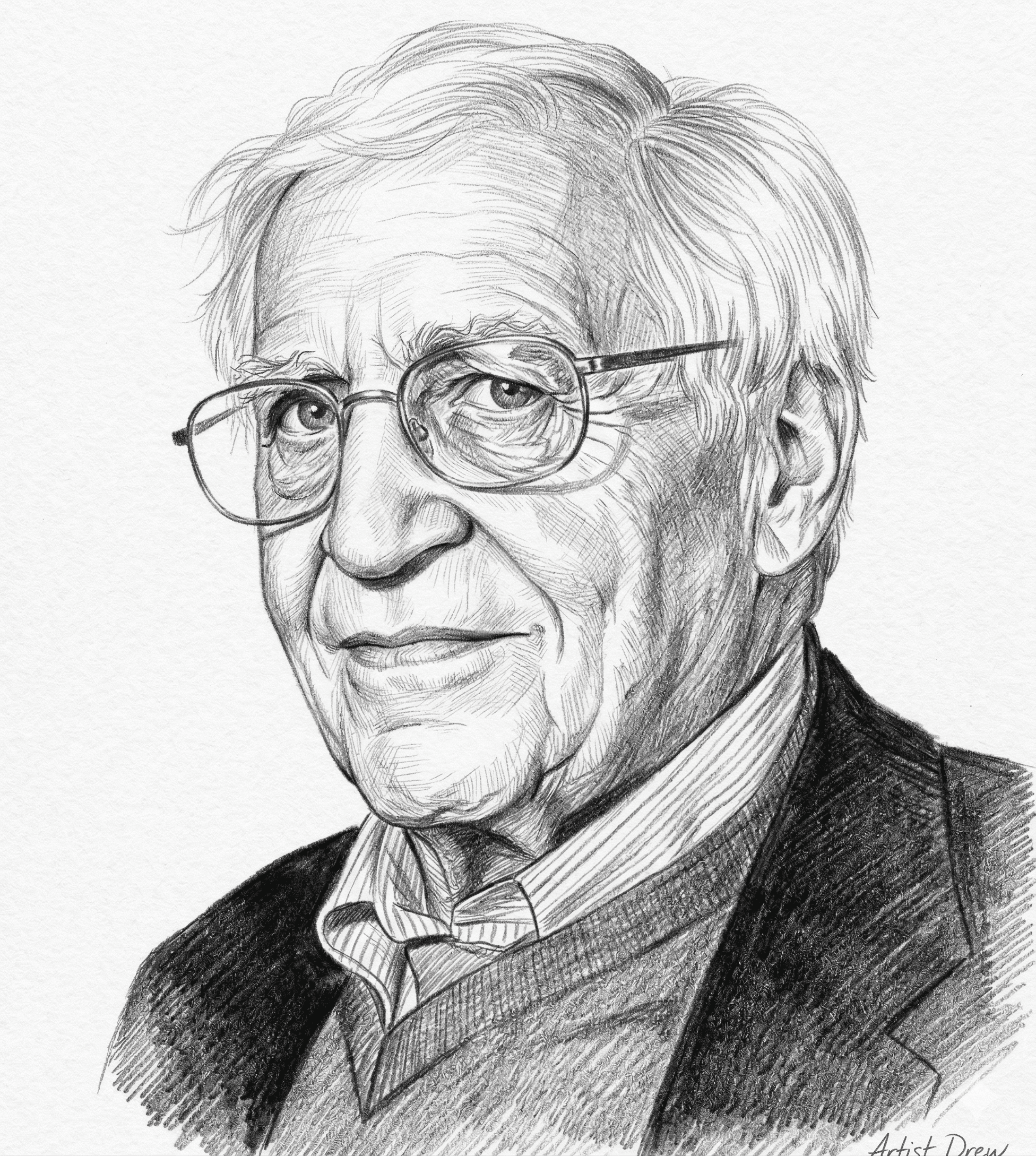
That was Michael O’Hanlon, the Brookings Institution’s Director of Research in the Foreign Policy program, speaking January 12, about his new book, To Dare Mighty Things: U.S. Defense Strategy Since the Revolution, on a panel with retired-Gen. David Petraeus and Historian Robert Kagan.
O’Hanlon continued, “Now, this is not a revisionist history that's meant to beat up on the United States for having become a world power, because if we hadn't done that, if we hadn't become this continental power, then we could never have prevailed in the World Wars…The world would have been a much worse place and we could never have played the role we did in the Cold War and at least up until recent times, the post-Cold-War world. So generally speaking, I'm glad for this American assertiveness, but to me, it's striking just how little we understand that about ourselves.”
Listening to that event eight days ago at Brookings, and looking around at what the Trump administration is doing at home and abroad today, I thought elements of what I heard from these three were worth repeating and reviewing.
For example, O’Hanlon pointed out a great amount of U.S. grand strategy and national security thinking took place during historic periods considered times of American isolationism and retrenchment.
O’Hanlon said, “A lot of the institutional machinery, a lot of the intellectual and leadership development capability of the United States began in this period starting in the late 19th century and accelerating into the inner [World] War years [1918-to-1941]. And without that, we would not have had the great leaders like [Gen. Dwight D.] Eisenhower, and [Gen. George C.] Marshall, trained in the way they were. I think that made them ready for World War II.”
He added, “We would not have had many of the innovations that occurred in this period of time -- so whether it's [Rear Admiral William A.] Moffett and [Navy] air power and [aircraft] carrier power, [Army Brig. Gen.] Billy Mitchell and the development of the Army Air Corps, [Marine Maj. Gen. John A.] Lejeune and the thinking about amphibious warfare. A lot of these great military leaders and innovators were doing their thing in the early decades of the 20th century and including in the inner war years in ways that prepared us for all these new innovations, all these new kinds of operations that would prove so crucial in World War II.”
“To me it's sort of striking,” O’Hanlon said, “how quickly we got momentum in World War II, given how underprepared we were in terms of standing armies and navies and capabilities. And by early 1943 at the latest, I think we're basically starting to win that war, which is faster than we've often turned things around in many of our conflicts in our history.”
Kagan, a Brookings senior fellow and author of the 2012 book The World America Made, picked up on American assertiveness. “Ideologically, the United States was expansive,” Kagan said, “We had a universalist ideology. We got upset when we saw liberalism being attacked, even back in the 1820s. You know, a lot of Americans wanted to help the Greek rebellion [against the Ottoman Empire]. The world was very ideological in the 19th century and we saw ourselves as being on the side of liberalism and freedom versus genuine autocracies like Russia and Austria and Prussia. And so we always had these sympathies. Now everybody would say wait a second it's none of our business blah blah blah blah, but nevertheless the general trend was we cared.”
Kagan went on, “People keep doing things out there that we're finding offensive in one way or another. And so we're like wanting to do something about it. So then we get dragged into, [or] we drag ourselves into these conflicts and then we say, ‘Wait a second, we're perfectly safe here [protected east and west by the Atlantic and Pacific Oceans]. Why are we involved in all this stuff?’ And then we want to come back. And so this tension between our essential security on the one hand and…our kind of busy bodyness in the world has just been has been a constant -- and I think explains why we have vacillated in terms of our military capability.”
Petraeus, began by saying, “I'm a soldier not a historian here,” and then defended some past U.S. interventions as “basically when we've been attacked,” citing Pearl Harbor and ships being sunk in the Atlantic. He added, “Sometimes it's and/or when we fear hostile powers especially, if they're aligned as it was during the Cold War with the communists, or now arguably with China and/or Russia or both taking control of again Eurasia, Southeast Asia, East Asia.”
Petraeus admitted, “We have sometimes misread that. You can certainly argue that Vietnam was arguably more nationalist [North Vietnamese seeking independence from France] maybe than it was communist. But that I think still applies. I think one of the motivations with respect to [Venezuelan President Nicolas] Maduro is that they [the Maduro Venezuelan leadership] were more closely than ever aligning with China, Iran to a degree, Russia and so forth. And we've seen that play out on a number of occasions as well.”
The Cipher Brief brings expert-level context to national and global security stories. It’s never been more important to understand what’s happening in the world. Upgrade your access to exclusive content by becoming a subscriber.
Petraeus, who played several roles in Iraq, said the U.S. had “to be very measured in what your objectives are if you're going to use force, and…try to avoid boots-on-the-ground. If they're going to be on the ground, then employ advise, assist, and enable operations where it's the host nation forces or partner forces that are on the front lines rather than Americans.”
Looking back, Petraeus said, “I think we were unprepared definitely intellectually for these operations after toppling regimes in Iraq and Afghanistan and not just [in] the catastrophically bad post-conflict as phase,” citing “horrific decisions to fire the entire Iraqi military without telling them what their future was. And then firing the Baath Party down to the level of bureaucrats. That meant that tens of thousands [of Iraqis] without an agreed reconciliation process are literally cast out. And by the way, they're the bureaucrats that we needed to actually help us run a country [Iraq] we didn't sufficiently understand.”
Describing another lesson learned, Petraeus said, “In looking back on Afghanistan, trying to distill what happened, what we did wrong, what we did right, I really concluded that we were never truly committed to Afghanistan nation building. Rather, we were repeatedly committed to exiting. And that was a huge challenge [for the 20 years the U.S. was there], because if you tell the enemy that you're going to draw down on a given date, during the speech in which you announce a buildup, really undermines the enemy's sense of your will in what is a contest of wills at the end of the day. Not saying that we didn't want to draw down, but to do it according to the right conditions. And of course then the other challenge was that the draw-down became much more based on conditions in Washington than it did on conditions in Afghanistan, which is again another pretty fatal flaw.”
Kagan gave his view on past American interventions with U.S. troops in foreign countries, and tied them sharply to today’s situation, not only in Caracas, but also in Washington. “You know, the United States did not go to war in Iraq to promote democracy despite the vast mythology that has grown up about that,” Kagan began.
He then continued, “It was primarily fear of security. Saddam was a serial aggressor. He certainly was working on weapons of mass destruction. Rightly or wrongly that was the primary motive [of the George W. Bush administration]. But then Americans, as always the case, and you know, all you have to do is look at what we did in Germany after World War II, what we did in Japan after World War II. Americans never felt very comfortable about moving into some country, taking it over for whatever reason and then turning it over to some dictator. We wanted to be able to say that we left something like democratic governance behind. Until now that has been such a key element of our self-perception and our character.”
Need a daily dose of reality on national and global security issues? Subscriber to The Cipher Brief’s Nightcap newsletter, delivering expert insights on today’s events – right to your inbox. Sign up for free today.
Kagan said the Bush administration then sent U.S. troops into Iraq “was not because we were dying to send troops into Iraq, but because we had concluded you cannot control countries from the air. And so we're now [with Venezuela] we’re back in that mode.”
But here, Kagan gave his view of an important change from the past. He said, “So here's what's different. We did not want to leave in Iraq Saddam's number two. Go ahead, take over. In Venezuela, we've gone after a regime head…[but] this isn't regime change. This is decapitation and now we've turned it over to the next, you know, part of the Maduro regime and said you take care of it. We'll run it, but you take care of it. That is a departure from American history and I think it is directly a consequence of the fact that for the first time I can say without any doubt we do not have a president who believes in the American principles of liberalism, but is actively hostile to them here in the United States as well as internationally. He is on the side of anti-liberalism. He is on the side of authoritarianism, both here and abroad. That, to my mind, it's not do we intervene in Latin America, Yes, we do, but for what purpose? And I think that is the huge break [from the past] that we're witnessing right now.”
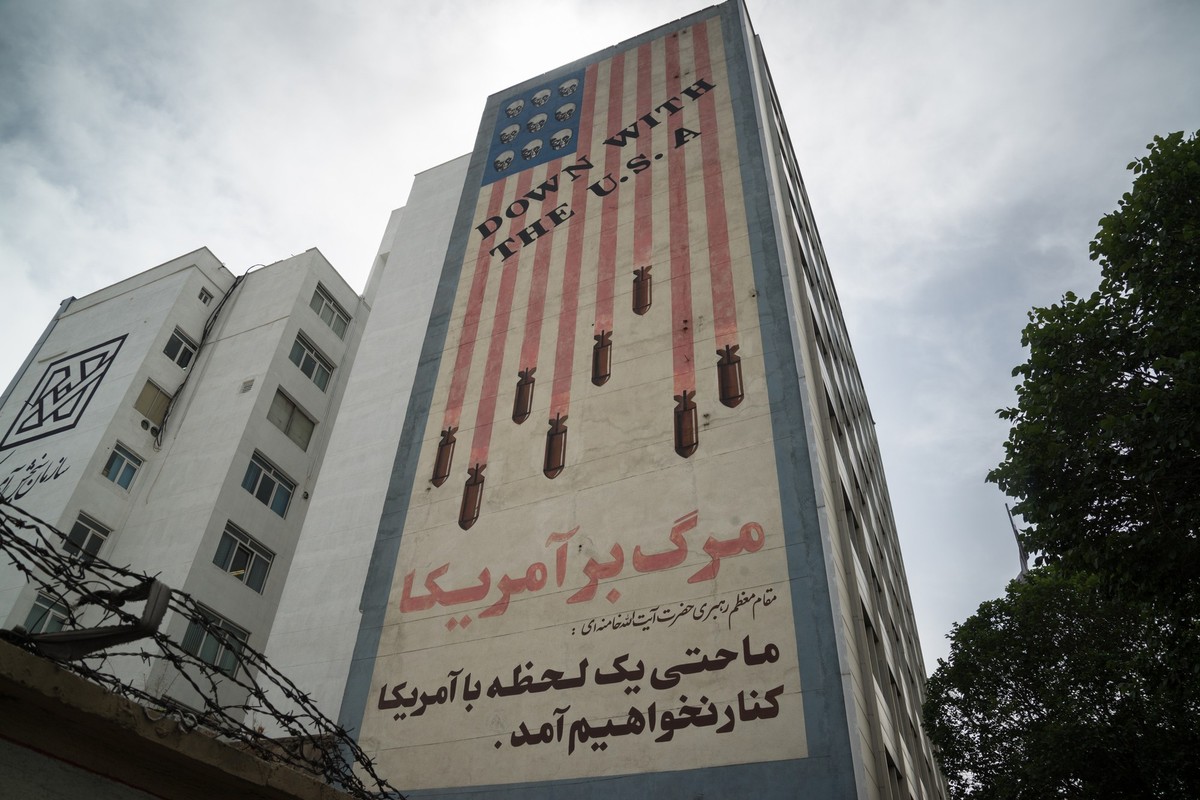
To my mind and others, Kagan has it right. President Trump, facing political problems at home – affordability, the Epstein files, the upcoming November House and Senate elections – has tried to show expanding power abroad. Based on past success in Iran bombing nuclear sites and removing Maduro from Venezuela, Trump wants to absorb Greenland, send U.S. forces into Mexico after drug cartels, and threaten attacking the faltering regime in Iran.
Let me add a final element to Trump’s current eagerness to show power abroad. The one thing he doesn’t want is the death of any U.S. military personnel he sends into harm’s way. Trump and his top aides have repeatedly pointed out, whether it was in blowing up narco-trafficking boats or the Iran bombing or the Maduro snatch, no American lives were lost.
The Cipher Brief is committed to publishing a range of perspectives on national security issues submitted by deeply experienced national security professionals. Opinions expressed are those of the author and do not represent the views or opinions of The Cipher Brief.
Have a perspective to share based on your experience in the national security field? Send it to Editor@thecipherbrief.com for publication consideration.
Read more expert-driven national security insights, perspective and analysis in The Cipher Brief, because national security is everyone’s business.