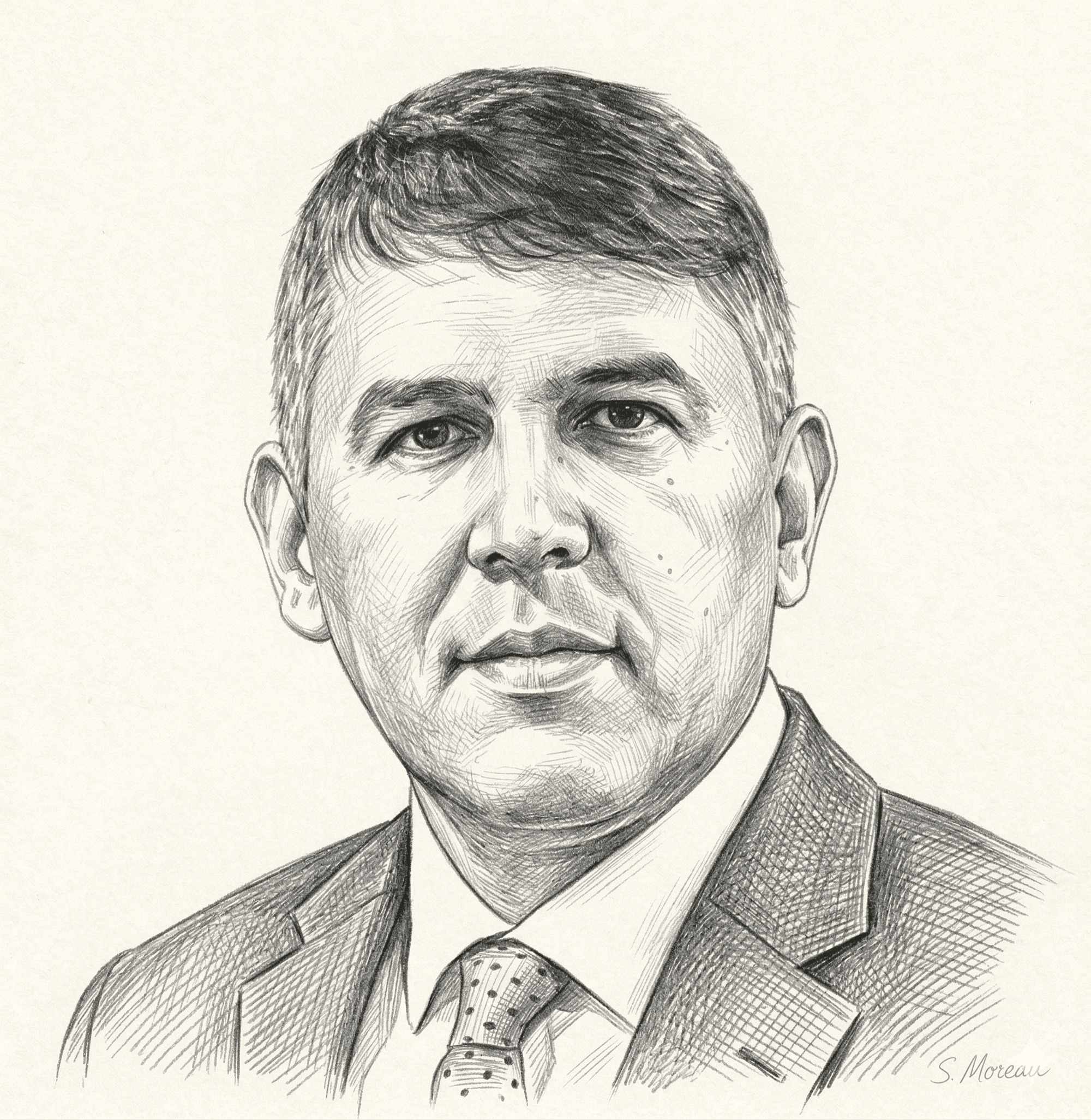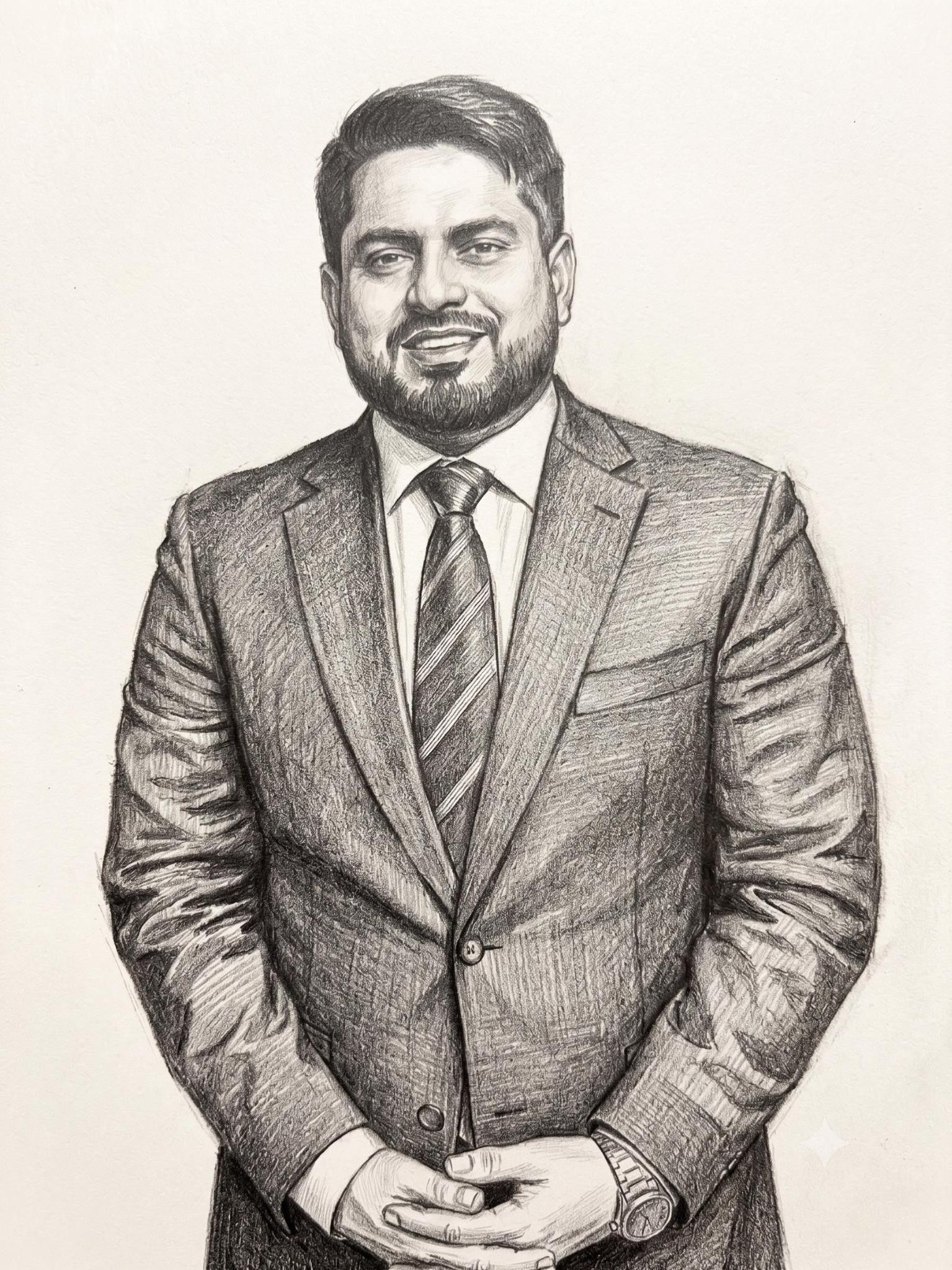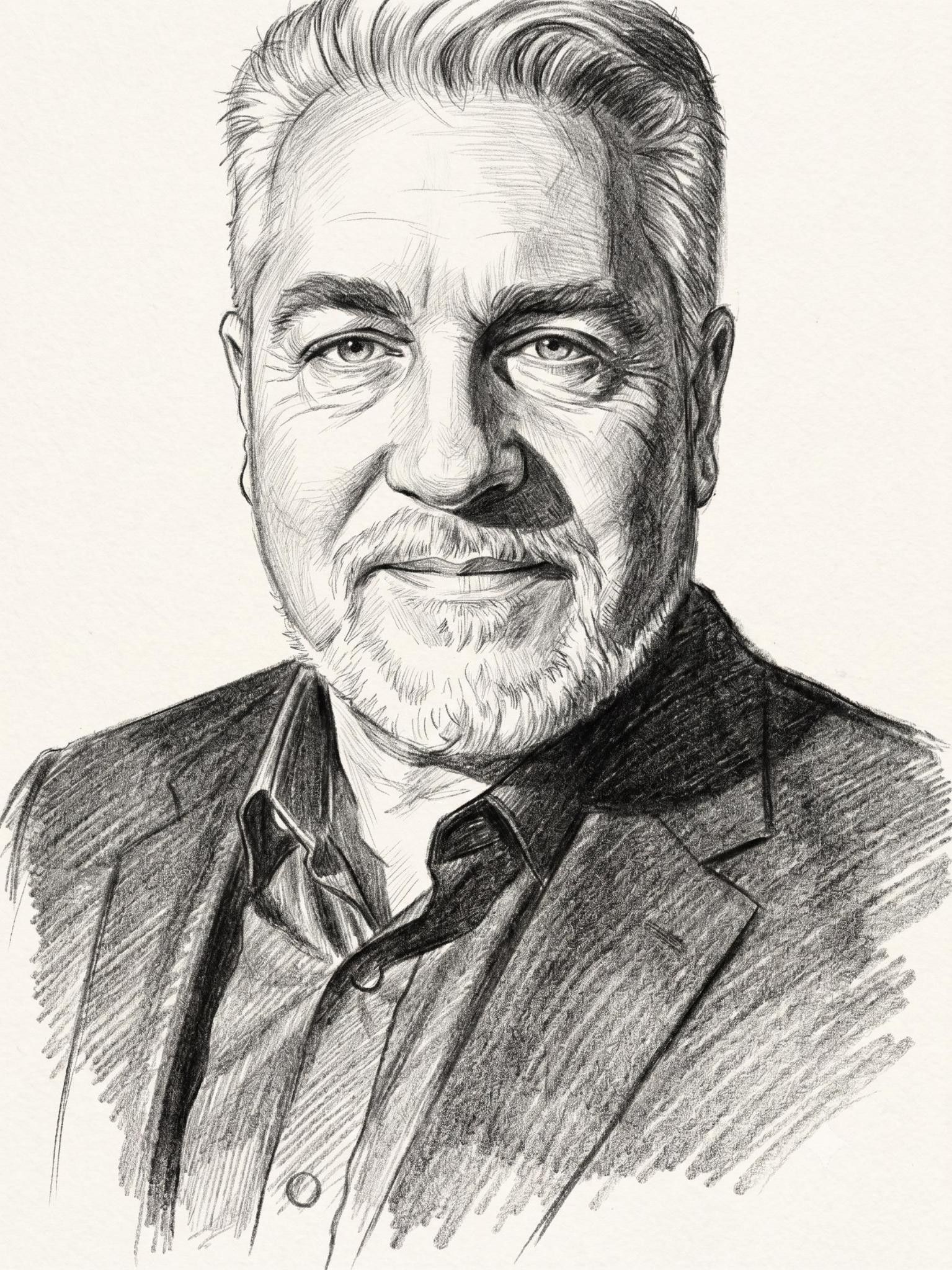

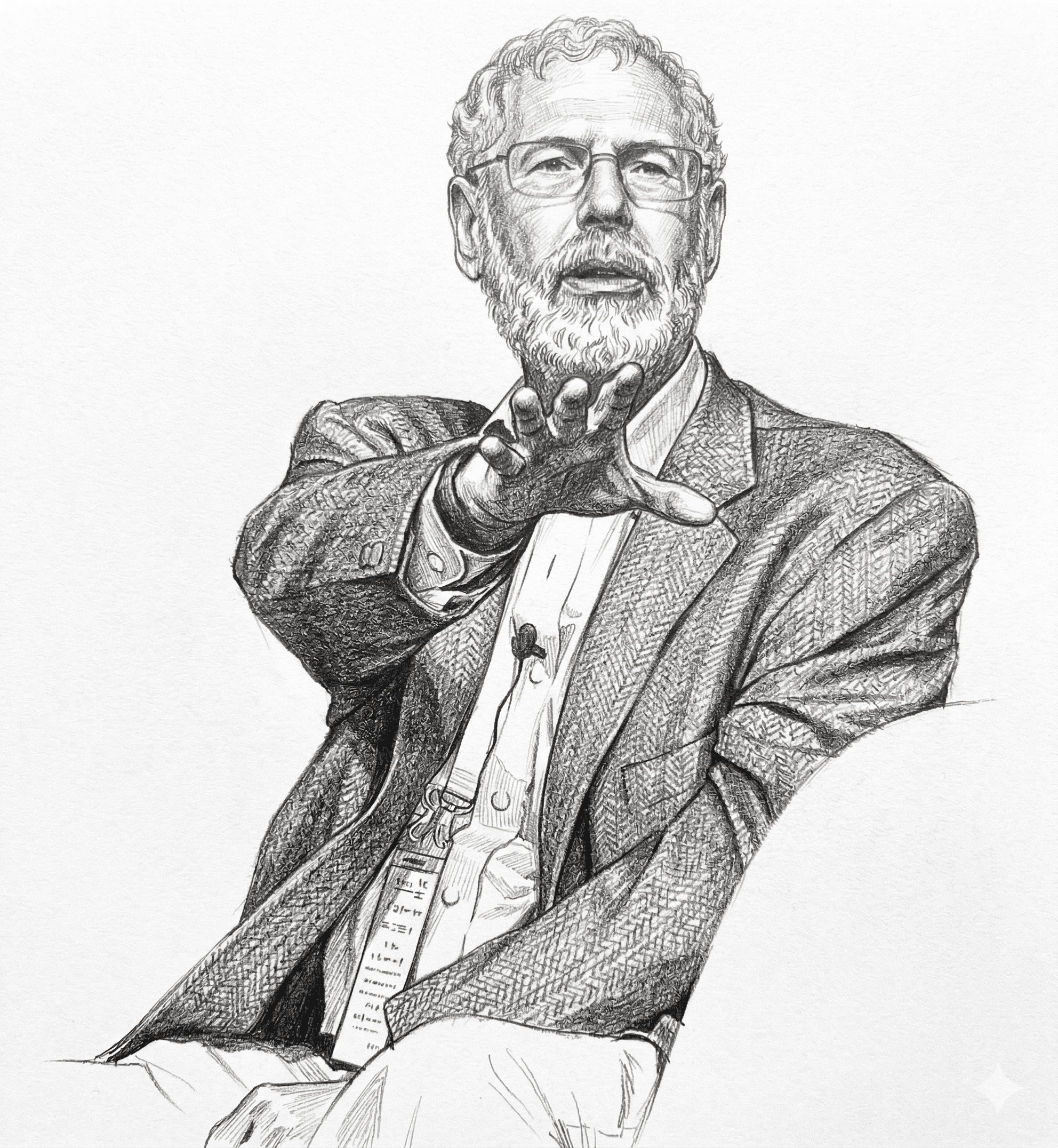
EXPERT PERSPECTIVE — Nvidia’s board announced that Jensen Huang had resigned 33 years after he co-founded the company.
What happens to a company when a visionary CEO is gone? Too often, innovation fades and the company coasts for years on momentum and its brand. Rarely does it regain its former glory.
That’s the danger facing Nvidia — and the challenge its board must confront.
Huang reinvented Nvidia three times. In 2006, he launched CUDA, turning a graphics chip for PC gamers into a general-purpose computing platform — and funded it for years ahead of any revenue. In 2012, when researchers used Nvidia chips to win the ImageNet contest, he pointed the company toward deep learning. In 2020, with the acquisition of Mellanox, Nvidia went from selling boards with GPUs to selling integrated racks that power AI data centers.
These were not just product transitions. They were radical business model transitions involving new channels, new customers and new markets. Nvidia pivoted from a vendor of graphics boards to a software platform and then to a systems company. It’s hard to imagine a CEO focused on executing an existing business model funding CUDA through those years.
Steve Jobs did the same at Apple, transforming it from a niche computer company into the most profitable company in the world. Between 2001 and 2008, Jobs reinvented the company three times.
Visionary CEOs are not just great at ensuring world-class execution of a successful business model. They are also world-class innovators.
The best are agile and know how to pivot, making substantive changes to their business models while — or before — their markets shift. The very best shape markets, seeing opportunities before anyone else. They remain entrepreneurs.
Visionary CEOs don’t need someone else to demonstrate the company’s key products for them. They deeply understand those products and have a coherent, consistent vision of where their industries, business models and customers are today — and where they need to take the company. They know their customers because they spend time talking to them. They use strategy committees and executive staff for advice, but they do not pivot by committee.
Microsoft and Apple illustrate what can happen when a visionary CEO is replaced by a leader focused on execution.
Microsoft and the Cost of Missing the Next Market
Microsoft entered the 21st century as the dominant software provider for anyone who interacted with a computing device. After running Microsoft for 25 years, Bill Gates handed the reins to Steve Ballmer in January 2000. Ballmer ran the company for the next 14 years.
Ballmer organized Microsoft around its existing strengths: Windows and Office. He tripled sales to $78 billion, and profits more than doubled from $9 billion to $22 billion. But those results hid missed opportunities that would reshape computing.
Ballmer failed to understand and execute on five of the most important technology trends of the 21st century: search, losing to Google; smartphones, losing to Apple; mobile operating systems, losing to Google and Apple; media, losing to Apple and Netflix; and the cloud, losing to Amazon.
In early 2014, Satya Nadella took charge. He organized Microsoft around the cloud through Azure, freed the Office and Azure teams from Windows, and killed the phone business.
Nadella saved Microsoft from irrelevance. Today, Microsoft is worth about $4 trillion. It is one of the few companies that regained its former glory after its board replaced a salesman with a product and engineering insider.
Innovation CEOs Hire Execution VPs
Successful visionary CEOs build executive staffs of world-class operating executives and technical leaders. In doing so, they can unconsciously force out other world-class innovators among their direct reports. The problem in a company driven by a visionary CEO is that there is often only one visionary.
Nvidia is the extreme case. Huang had about 60 direct reports and discouraged one-on-one meetings. He eschewed long-term plans. Much like Jobs, he made himself the point where technical, product and business decisions came together. Replacing that role is harder than filling a box on an organization chart. He said he didn’t believe in succession planning.
When visionary founders depart — through resignation, death or firing — their operating executives believe it’s their turn to run the company. At Microsoft, Gates chose Ballmer. At Apple, Jobs chose Tim Cook. Huang anointed no one.
Once in charge, one of the first things these operations-focused CEOs do is eliminate organizational chaos and turbulence. They value stability, process and repeatable execution.
That can improve predictability, but it can also start a creative death spiral. Creative people leave. Other executives, without the former leader’s innovation talent, move into senior roles and hire more process-oriented people. That, in turn, pushes out the remaining creative talent.
The culture shift ripples down from the top. What once felt like a company on a mission to change the world begins to feel like another job.
Amazon offers a counterexample. Before succeeding Jeff Bezos, Andy Jassy had already founded and led Amazon Web Services. He was an innovator who had built a new business inside the existing company.
At Nvidia, some organizational change is unavoidable. No one else can be expected to run the company with 60 direct reports, so the next CEO’s first move will likely be to add layers of management.
Apple and the Limits of Execution
Cook ran Apple for 15 years. Under his leadership, revenue grew from $108 billion to $416 billion, and the company’s market value rose from $350 billion to about $4 trillion.
The iPhone continued its annual upgrades of incremental improvements. The transition to Apple silicon showed that major technical change at the chip level was possible under his leadership. But Apple silicon was a better engine for Apple’s existing products, rather than a new market.
Apple stumbled badly with Vision Pro and missed badly on AI, despite Siri’s early presence in conversational assistance. This year, it turned to Google to help fix Siri. In September 2026, Cook handed the job to John Ternus.
The question for Nvidia’s board is whether strong execution of an existing business can sustain the company through the next fundamental shift in technology.
How Nvidia Could Miss the Boat
The threat to Nvidia is already visible: Its biggest customers are becoming its competitors. Google, Amazon, Microsoft, Meta, OpenAI and Tesla are all building their own AI chips.
Huang’s answer was to keep innovating: bring a new generation of chips to market every year, build a competitive moat around an integrated hardware and software platform anchored by CUDA, and invest approximately $50 billion in the AI labs that run on Nvidia.
These may be the very bets an execution-focused CEO trims first.
The irony is that in the 21st century, the tighter a company holds on to its current products and markets, the more likely it is to be disrupted.
Rapid technological change will force “bet the company” decisions about product direction, markets, pricing, supply chains, operations and the reorganization necessary to execute a new business model.
In the GPU market, the difference between market dominance and Chapter 11 may be a hands-on CEO who understands products, customers and business models — and has an entrepreneurial vision of the future.
The Board’s Choice
The dilemma facing Nvidia’s board — or any board confronting the departure of an innovative CEO — is strategic: Does it still want an innovative, risk-taking company? Or should it focus on executing the core business, reducing risky bets and maximizing shareholder returns?
Ultimately, a board would like both: to preserve the speed and ambition of Huang’s decision-making while distributing enough authority for the company to function without him.
That leads to a practical question: Should the board recruit another innovator from outside, promote an executive focused on operations, or look deeper within the organization for an innovator?
Nvidia’s board must decide what it is hiring its next CEO to do. Executing today’s business is essential. So is reinventing it before someone else makes it obsolete.
Lessons Learned
- An inherited business can disguise the need for change. Nvidia’s order book and CUDA could make the next two or three years look strong regardless of who becomes CEO — unless a meaningful share of that revenue turns out to involve chips diverted to China.
- Strong execution can sustain financial growth for years. Innovation CEOs are often replaced by operating executives. When those successors inherit a powerful business model, revenue and profits can continue to rise long after the founder leaves.
- The real test comes when the market shifts. Changes in technology, markets or business models can expose an execution-focused CEO’s limitations, allowing more agile competitors to overtake the company.
- Succession requires a decision about the company’s future. Nvidia needs leadership capable of running the business it has while building the business it will need.
Execution pays your salary. Innovation pays your pension.
Steve Blank writes about innovation and entrepreneurship at steveblank.com.
The Cipher Brief is committed to publishing a range of perspectives on national security issues submitted by deeply experienced national security professionals. Opinions expressed are those of the author and do not represent the views or opinions of The Cipher Brief.
Have a perspective to share based on your experience in the national security field? Send it to Editor@thecipherbrief.com for publication consideration.
Read more expert-driven national security insights, perspective and analysis in The Cipher Brief