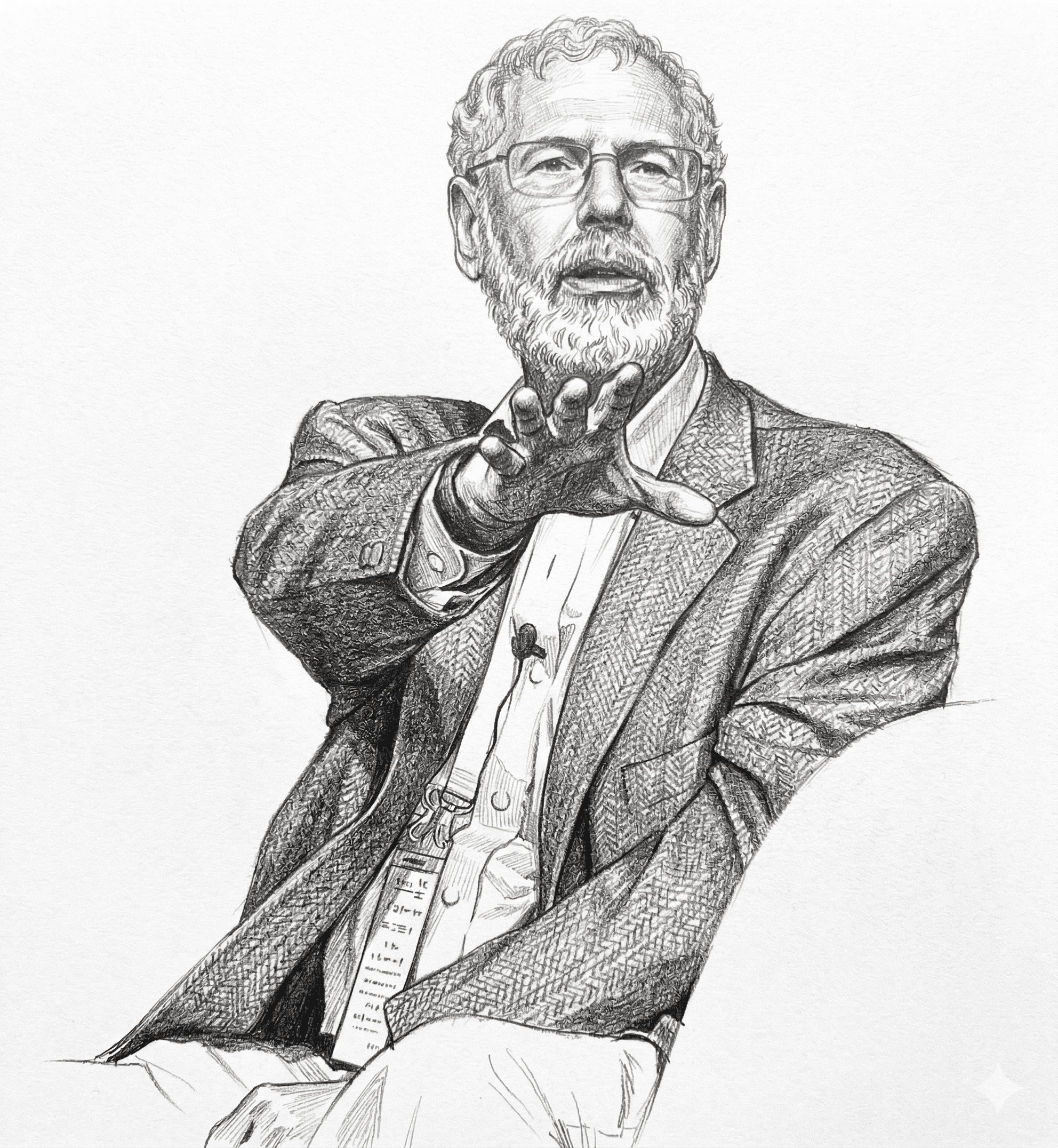


Nvidia’s former CEO, Jensen Huang, and his extramarital relationship with the alleged Chinese agent Alice Huang, likely will be discussed at the scheduled meeting of President Donald Trump and Chinese President Xi Jinping at the 2026 Asia-Pacific Economic Cooperation leaders’ meeting in Shenzhen, China on November 18-19.
It is alleged that Ms. Huang, Managing Director of MegaSpeed International in Singapore and a cloud partner with Nvidia in the Asia-Pacific region, was an agent of China’s Ministry of State Security. She allegedly was part of a “honey trap” operation against Jensen Huang. It is alleged that her company, MegaSpeed , purchased billions of dollars of advanced Artificial Intelligence (AI) chips and servers, and in violation of U.S. export-control restrictions, smuggled these advanced AI chips to China.
A spokesperson at China’s Ministry of Foreign Affairs said the allegation that Ms. Huang was a Chinese agent is “baseless” and “slanderous”.
Mr. Trump reportedly said he will not address this issue in his meeting with Mr. Xi, although it is likely that Mr. Xi will address these allegations. Neither the U.S. nor Singapore has filed criminal charges against Ms. Huang, and the Department of Justice said it is looking into the matter without reaching any formal conclusions. It is likely that Congress will conduct hearings related to these allegations.
Both leaders are scheduled to will meet on the margins of the APEC Leaders’ meeting. Russia’s President Vladimir Putin will also attend the APEC session and meet with Presidents Trump and Xi – the first-ever trilateral meeting on the sideline of APEC.
This will be third meeting of Presidents Trump and Xi this year, with a fourth meeting scheduled for December 14 to 15, 2026, at the G20 Leaders’ Summit in Miami, Florida.
Although a formal agenda for the trilateral meeting has not been published, it is likely the three leaders will discuss the wars in Ukraine and Iran, with some discussion of North Korea and its nuclear and missile programs. Both China and Russia have a close allied relationship with Pyongyang. They can – if they want – use their relationship with North Korean leader Kim Jong Un to attempt to convince him to meet for a fourth time with Mr. Trump.
Working-level teams from the three countries reportedly have been negotiating an agenda covering AI in critical weapons systems and a potential joint statement against nuclear war.
Nuclear proliferation is another subject the three leaders will discuss, with the U.S. continuing to encourage China to agree to greater transparency on their nuclear program and an eventual arms control agreement. Previously, China refused to discuss their nuclear program, noting that the U.S. and Russia had significantly more nuclear warheads than China. Once parity in the number of nuclear warheads is reached, China said they would then consider discussing their nuclear program with the U.S.
At the APEC conference, AI and the Digital Economies will be discussed, with emphasis on narrowing the regional digital divide and discussing cross-border digital trade interoperability. Work force reskilling and aligning AI with the energy infrastructure were subjects previously discussed at APEC Ministerial talks.
And given global economic fragmentation and rising costs, officials will prioritize cross-border supply chain stability and interoperability across different national regulatory systems. China is also highlighting regional connectivity through the Guangdong-Hong Kong-Macao greater bay area initiative.
The APEC meeting will also discuss the green-digital transition, clean energy, food security, and ocean and fisheries sustainability in the Asia-Pacific region.
Regional trade and economic integration will also be discussed, given that 2026 marks the 20th anniversary of the Free Trade Area of the Asia-Pacific vision, that focused on multilateral trade and reducing tariffs.
This APEC meeting will be impactful, given the participation of Presidents Trump, Xi, and Putin.
This piece was originally published in The Washington Times.
The author is a former associate director of nation intelligence. All statements of fact, opinion or analysis expressed are those of the author and do not reflect the official position or views of the U.S. government.
The Cipher Brief is committed to publishing a range of perspectives on national security issues submitted by deeply experienced national security professionals. Opinions expressed are those of the author and do not represent the views or opinions of The Cipher Brief.
Have a perspective to share based on your experience in the national security field? Send it to Editor@thecipherbrief.com for publication consideration.
Read more expert-driven national security insights, perspective and analysis in The Cipher Brief