
OPINION -- Since 1959, the U.S. and Cuban relationship has been defined by gray zone operations that have occasionally broken out into open confrontation. At the same time, Cuba has been the proxy area for US adversaries to spy on the US homeland and endanger US security. Due to a convergence of events, Cuba and the US are poised for a monumental change in the relationship that could move from gray zone activities to a more positive transactional diplomatic relationship, but there is a long way to go before we get there and the US must stay focused on its goal of increased security for the homeland.
Cuba is a master at gray zone activity with the US as the focus. In July 2024, the National Intelligence Council defined gray zone activity as:
The deliberate use of coercive or subversive instruments of power by, or on behalf of, a state to achieve its political or security goals at the expense of others, in ways that exceed or exploit gaps in international norms but are intended to remain below the perceived threshold for direct armed conflict. Gray zone campaigns are commonly characterized by a sustained, multi-domain approach, indirect methods, and deliberate ambiguity about their aims and sponsorship.
When Fidel Castro came to power in 1959, he disrupted the geopolitical landscape with promises of wealth, education, and medical care for all. Cuba supported revolutions across the globe. It was a leader in the nonaligned movement. It exported doctors and supported medical education from countries across Latin America and Africa and then used those Cuban educated doctors to provide pro-communist propaganda to local populations along with their medicine. These were classic, gray zone activities.
As part of its multi-faceted approach to foreign policy, the Cuban government also worked with US adversaries to counter US national security. The Cuban missile crisis is a memorable and important example. Over time, Cuba developed the island into a listening post for US adversaries willing to pay for the privilege.
After the Cold War ended, the U.S. tried different approaches with the island. President Bill Clinton signed the Cuban Liberty and Democratic Solidarity Act, which strengthened the U.S. embargo and set stringent conditions for the lifting of sanctions. President Barack Obama kept the trade embargo intact but restored diplomatic relations with Havana, relaxed economic sanctions, and removed Cuba’s designation as a state sponsor of terrorism. Obama’s Secretary of State, John Kerry, called the Monroe Doctrine dead. This opened the island to US tourism and separated families were able to visit each other. In 2017, President Trump rolled back Obama’s normalization efforts and enacted more than 240 measures tightening sanctions against Cuba. Now the administration has administered a blockade, arrested the leader of Cuba’s closest supporter, President Maduro in Venezuela, and put Cuba’s other two supporters, Russia and China, on notice that the US is expecting them to back off the relationship. On January 29, President Trump signed an executive order that says:
Cuba hosts Russia’s largest overseas signals intelligence facility, which tries to steal sensitive national security information of the United States. Cuba continues to build deep intelligence and defense cooperation with the PRC. Cuba welcomes transnational terrorist groups, such as Hizballah and Hamas, creating a safe environment for these malign groups so that these transnational terrorist groups can build economic, cultural, and security ties throughout the region and attempt to destabilize the Western Hemisphere, including the United States.
On 1 May, President Trump signed a new executive order strengthening sanctions against Cuba and Cuban leaders and again calling out its relationship with Hizballah.
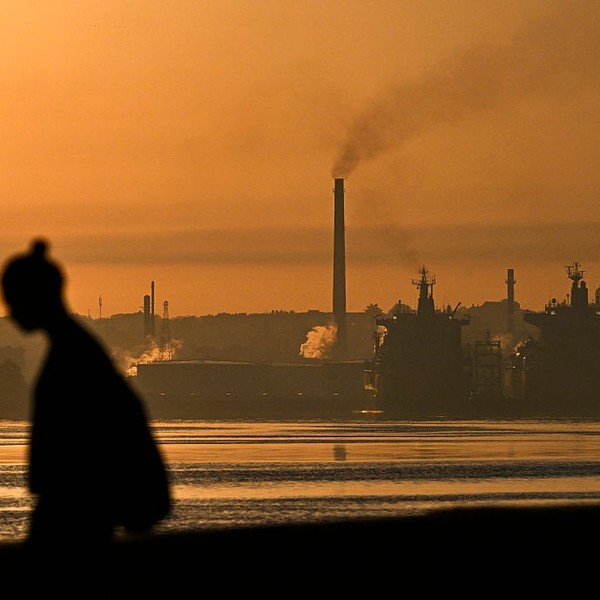
While the Cuban government neglected and mismanaged the economy, it has continued to support US adversaries and focused on anti-US activities. Meanwhile, the country is in a humanitarian crisis, with electrical grid failure, hospitals canceling surgeries, and schools and businesses closing. In the last several years nearly 3 million people have left the island. The government is in survival mode with its once well-respected military and spy services riddled with corruption and hollowed out. These trends began before the US kicked away the lifelines that kept the economy barely hobbling along. Cuba’s allies, Russia and China, have provided minimal economic support while maintaining their presence in Cuba’s national security institutions. Without much else to lose, some Cubans are lashing out at their leadership. Some are lashing out at the US. Most are trying to make it through each day.
Understanding the US-Cuba Dynamic
As an intelligence analyst for the US government, I worked with academia to develop insights into nation states that would help us analyze leadership reactions to specific events. Florida International University (FIU) spearheaded a series for us on Strategic Culture in Latin America. We defined strategic culture as the combination of internal and external influences and experiences—geographic, historical, cultural, economic, political and military—that shape and influence the way a country understands its relationship to the rest of the world, and how a state will behave in the international community. In FIU’s 2009 report, the experts they gathered explained:
·Cuban strategic culture is offensive, nationalist, and wary of US intentions;
·Regime change will have to be a Cuban affair;
·The elite in Cuba came to power on a wave of anti-US vitriol and lived firsthand through US efforts to undermine their government;
·If the US wants to change the relationship with Cuba, it must reduce the sense of threat ingrained in the elite’s strategic culture.
These insights should help our government develop strategies that will meet US goals.
Next Steps
If the US administration stays true to form, it will not force a new democratically disposed government in Cuba. This is currently an unrealistic goal. This US administration, following its pattern in Venezuela and Iran, will insist on a government that will work with it. Ever the optimist, I believe that this transactional approach to diplomacy might be the beginning of the change that has eluded the island for nearly seventy years; if the US approaches Cuban leaders in the appropriate way.
Given the entrenched elites and what we know about the nation’s strategic culture, the US will have to take a long-term approach to force the changes it is looking for. Appealing to the elites’ economic needs while foregoing coercive or inflammatory language will have the best reaction and should have a trickle-down effect on the rest of the Cuban population. Focusing on pushing the Russian and Chinese national security institutions from the island is an area that might have some success. It is specific, understandable, and the Cuban leadership cannot realistically expect either country to offer much more than rhetoric and a little aid to counter the US.
What is to be Gained?
There is little for the US to gain economically from forcing Cuba to work responsibly with Washington. Cuba has few natural resources, it is a small market, and it will take vast resources to rebuild the infrastructure and reverse the decades of environmental damage that will give Cubans the opportunity to redevelop the agriculture and tourist sectors.
A clear message on why the US is focused on Cuba is important. Concentrating that message on homeland security sets the tone for our adversaries that says that we will not tolerate their spying on our borders. It tells the Cuban government leadership that we are focused on how they are affecting us and not on removing them from power. This goal of a Cuba, free of Russian and PRC listening posts is a stretch, but it is realistic and would be significant.
There are two clear victories in creating closer ties between the US and Cuba. One is humanitarian. With increased interaction between the US and Cuban governments, there will be more freedom when it comes to information but I am not yet convinced that in the short term, a new regime will treat its people any better. Such a sea change will take new leaders that have exposure to the west and that will take time if not a generation to happen.
The second victory and one that I believe is more achievable would be in the national security sphere. Winning the strategic competition vis a vis Russia and China and securing US borders would be an important milestone. To move forward with the relationship, the US must insist that Havana offer the U.S. guarantees that it will reverse its security relationship with U.S. competitors like Russia and China. By demanding that Cuba strip itself of Russian and Chinese intelligence presence on the island, the US helps secure our own supply chains and the important national security infrastructure that resides close to Cuba in Florida with the multiple combatant commands and military bases. This would be a sea change from the 70 years of sharing our southern waters with adversaries.
The Cipher Brief is committed to publishing a range of perspectives on national security issues submitted by deeply experienced national security professionals. Opinions expressed are those of the author and do not represent the views or opinions of The Cipher Brief.
Have a perspective to share based on your experience in the national security field? Send it to Editor@thecipherbrief.com for publication consideration.
Read more expert-driven national security insights, perspective and analysis in The Cipher Brief