
Latest Stories
Welcome! Log in to stay connected and make the most of your experience.
Your membership has expired. Renew now to continue enjoying exclusive benefits and uninterrupted access.
Couldn’t find an account with that email address, please sign up.
The Cipher Brief: National Security news, analysis and expert commentary.
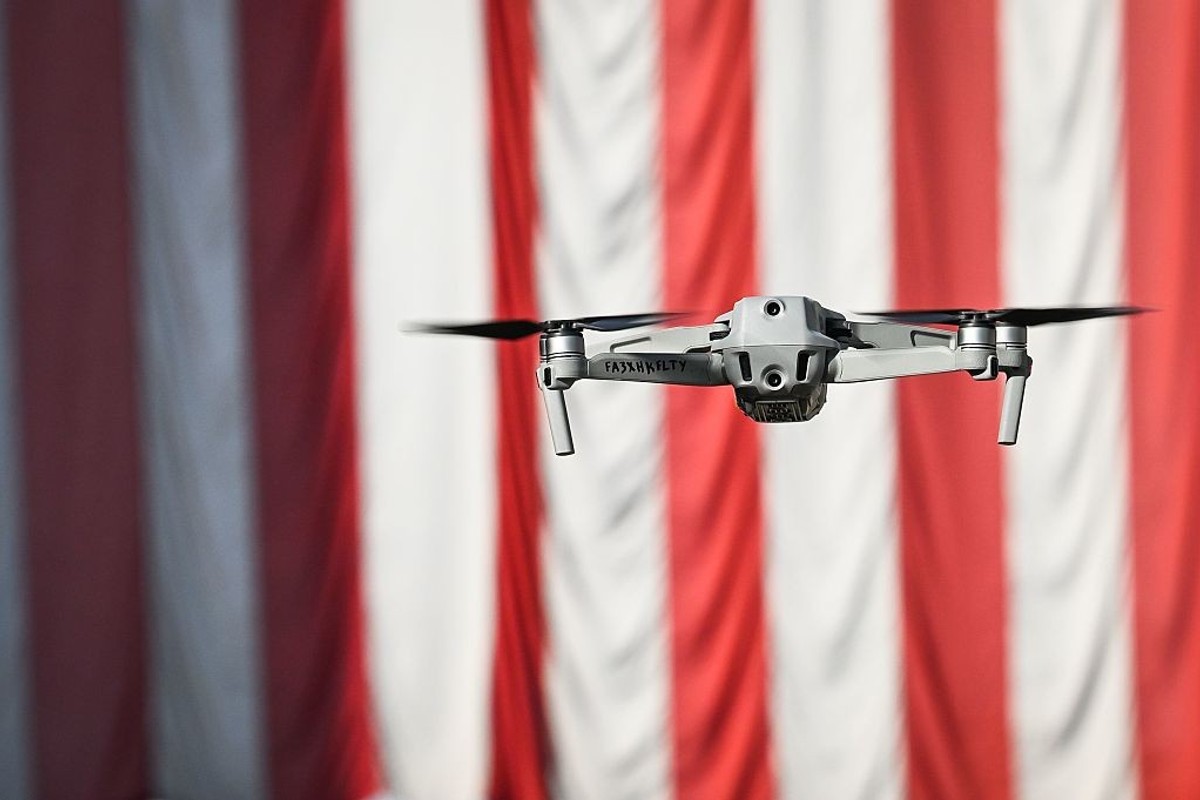
What's Holding Back America's Drone Revolution?
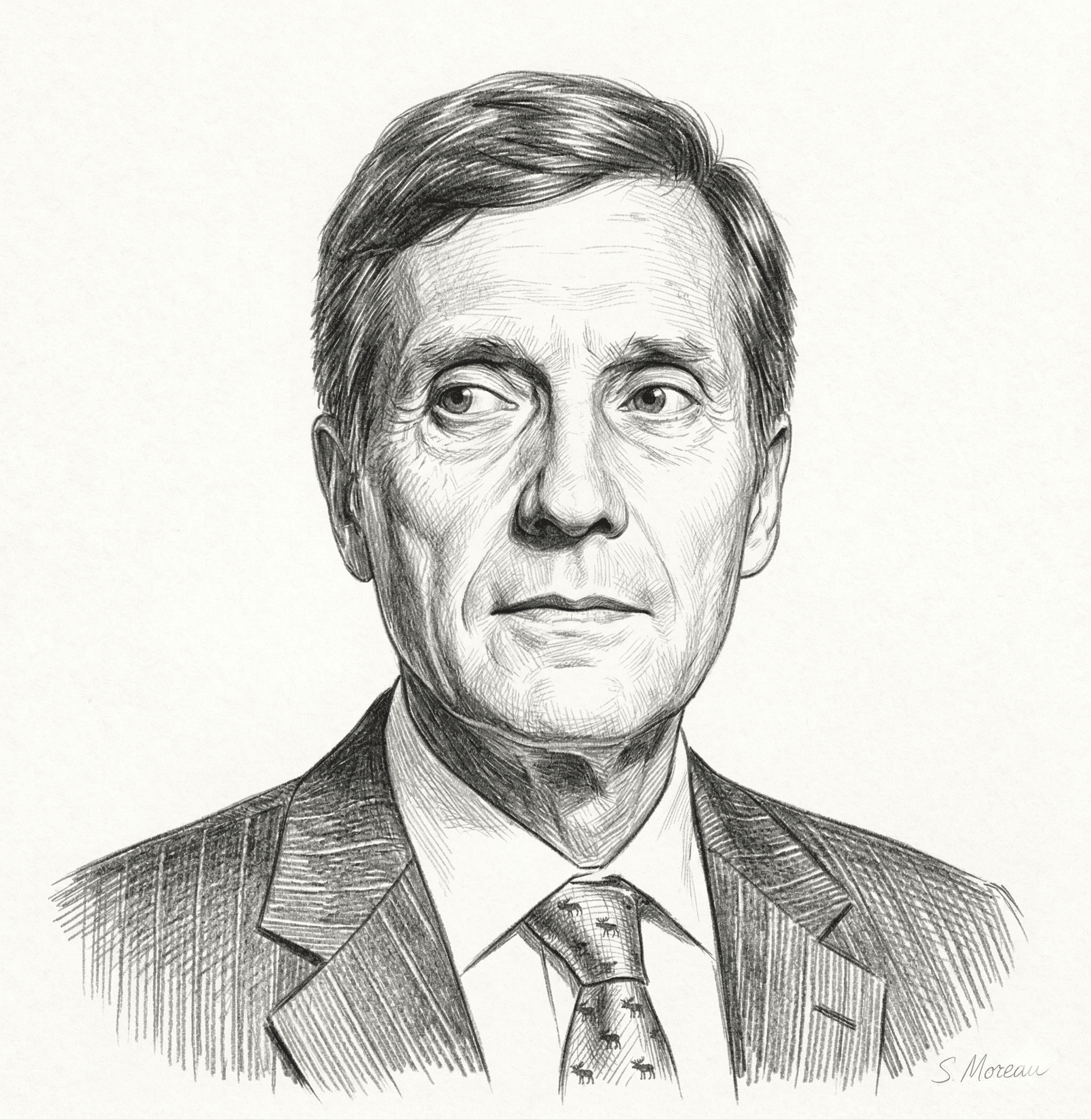
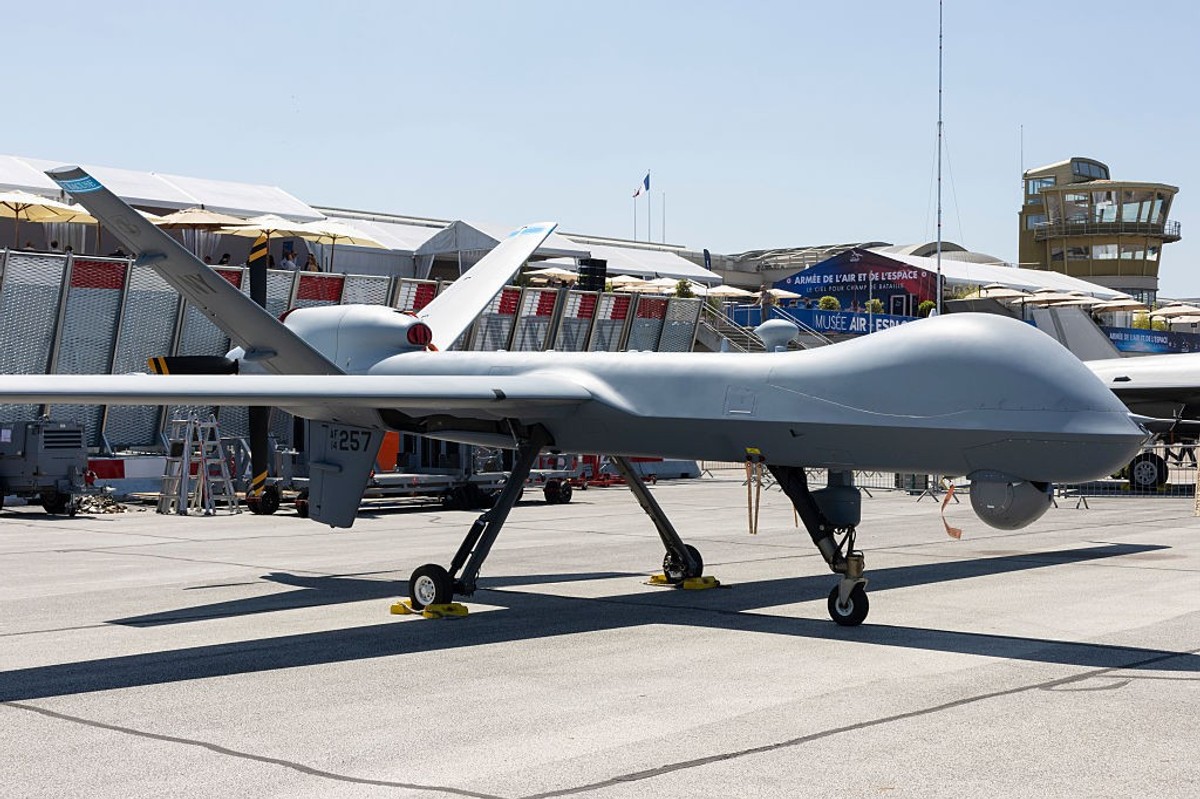
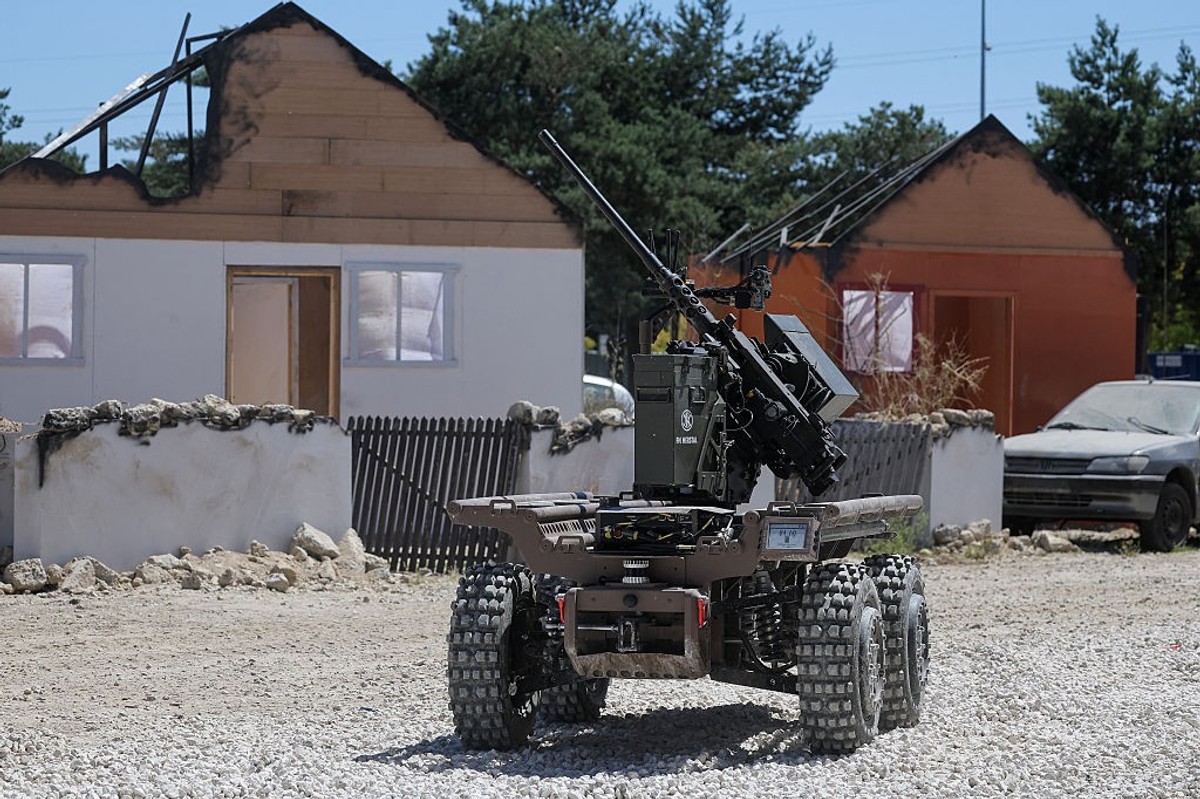
NGA Director VADM Frank Whitworth (Ret.) argues that tradition, popular culture and the emotions of military leadership are slowing the transition to uncrewed warfare.
Editorial note: This is the third in a three-part series from former National Geospatial-Intelligence Director VADM Frank Whitworth (Ret.) on the [...] More
Global Intelligence Report for Thursday, November 19, 2026
Popular
Where Did the Billions From Venezuela's Oil Go?
The Year Moscow Felt the War
America's Autonomous Warfare Command Needs More Than a Name
The Pentagon Has an AI Strategy. What It Needs Is a Field Guide.
Podcasts
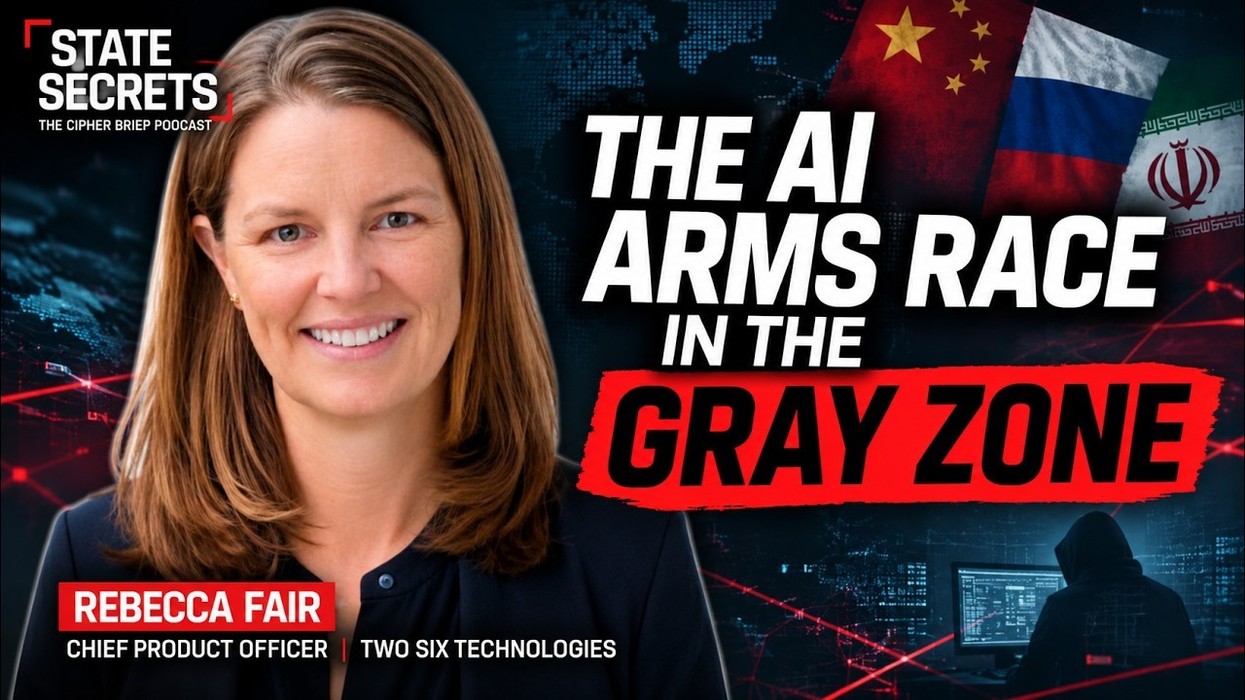
State Secrets
Some of the most consequential national security threats today aren't unfolding on traditional battlefields. They're taking place in the gray zone, where adversaries use disinformation, economic coercion, influence operations, and emerging technologies to advance their interests without crossing the threshold into open warfare.
In this episode of State Secrets, host Suzanne Kelly sits down with Rebecca "Becky" Fair, a former CIA officer and Chief Product Officer at Two Six Technologies, to examine how artificial intelligence is transforming gray zone competition and what it means for U.S. national security.
Drawing on her experience in intelligence operations, international finance, and the private technology sector, Fair explains how China, Russia, and Iran are adapting their influence campaigns, why AI is making these operations faster and more sophisticated, and where the United States may be falling behind.
The conversation also explores the challenges of distinguishing authentic public opinion from foreign manipulation, the risks of using AI offensively in the information space, and why closer collaboration between Silicon Valley and the intelligence community is critical to staying ahead of America's adversaries.
So, can the United States adapt quickly enough to compete in a battlefield where speed and influence matter as much as military strength?
What the Experts Say
“I am struck by how comprehensive and thoughtful The Cipher Brief’s Open Source Report is. It is just as good as the President’s Daily Brief, having spent a decade reading the PDB. And it’s unclassified, too! I'm proud to be part of the network of experts at The Cipher Brief, which provides superb geopolitical advice and intelligence insights.”
Admiral James Stavridis (Ret.)
Admiral Sandy Winnefeld (Ret.), Former Vice Chairman, Joint Chiefs of Staff

The Cipher Brief has become the preeminent information platform for the national security community. I read it, I contribute to it, and I recommend it to military, civilian, and industry partners seeking the most up-to-date and expert analysis of the major issues facing the government, business, and others committed to the security of the nation.
Lieutenant General (Ret.) Guy C. Swann III

"The Cipher Brief is my daily 'must read' for insightful coverage and analysis of national security events. I find the Open Source Report to be a key tool in assessing global geopolitical risk, and illuminating national security challenges in just the right amount of depth. It's the perfect balance. I can read it quickly, but step away feeling I have a solid grasp of the issues and implications. Thanks to the brilliant Cipher Brief Team! "
Lt. Gen. Michael Groen (Ret.)
The Cipher Brief’s Open Source Report is an extraordinary product and an important daily read for situational awareness on national security issues.
General John R. Allen (Ret.)
For general inquiries please email info@thecipherbrief.com