

Editor's Note: Section 702 of the Foreign Intelligence Surveillance Act was originally enacted as a post 9/11surveillance program that allows the government to collect electronic communications of foreign nationals located outside the United States without needing a warrant for each target. Supporters have called it 'indispensable' and critics worry about its potential use to surveil Americans. Section 702 is up for Congressional reauthorization this month.
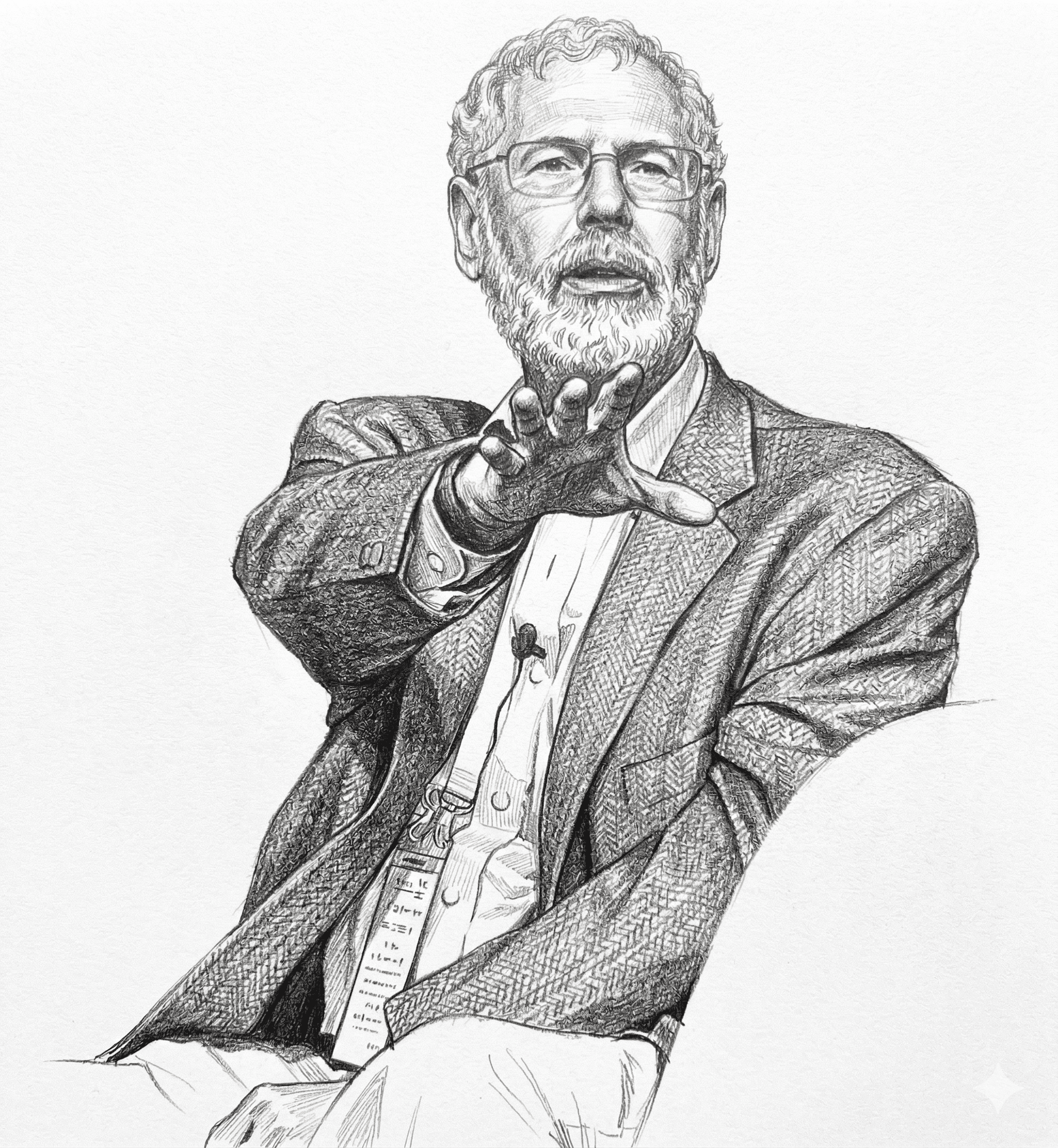
The Cipher Brief asked General Paul Nakasone (Ret.), former director of the National Security Agency and former Commander of U.S. Cyber Command for his take on reauthorization and why it matters to future U.S. national security.
EXPERT PERSPECTIVE – I strongly support the clean reauthorization of Section 702 of the Foreign Intelligence Surveillance Act. Allowing this critical authority to lapse would put our nation at unnecessary risk.
This view is informed not only by my experience leading U.S. Cyber Command and the National Security Agency, but also by the lessons of September 11th—a day I remember vividly from the Pentagon. Our intelligence community was surprised on 9-11, and the consequences were devastating. We cannot afford to repeat that failure.
Section 702 should be cleanly reauthorized for three key reasons:
First, it is a carefully designed authority that balances national security with civil liberties. It is limited to surveillance of foreigners abroad, and it operates under oversight from all three branches of government, with established mechanisms to identify and address misuse. There is no other statutory authority that gives our nation the equivalent information vital to our national security.
Second, it enables targeted—not bulk—collection. Contrary to common misconceptions, Section 702 is not a mass surveillance tool. It is a precise capability that helps us discover, and if necessary, prevent threats like Iranian sponsored attacks in the homeland, Chinese cyber thefts, and Russian espionage.
Finally, we face an increasingly complex and dangerous global environment. Letting this authority lapse risks creating intelligence gaps at the worst possible time. Maintaining an effective and bounded tool like Section 702 helps prevent overreactions in a crisis—when emergency measures might be broader and less protective of civil liberties.
For nearly six years, I relied daily on Section 702 to identify terrorist threats, protect our servicemen abroad, foil cyber intrusions, and prevent attacks against our homeland. It was, and remains, indispensable to our safety and security, while also upholding our values. A clean reauthorization of Section 702 is essential to both ensuring our national security and the protection of our civil liberties.
The Cipher Brief is committed to publishing a range of perspectives on national security issues submitted by deeply experienced national security professionals.
Opinions expressed are those of the author and do not represent the views or opinions of The Cipher Brief.
Have a perspective to share based on your experience in the national security field? Send it to Editor@thecipherbrief.com for publication consideration.
What national security news are you missing today? Get full access to your own national security daily brief by upgrading to Subscriber+Member status.