

Latest Stories

Welcome! Log in to stay connected and make the most of your experience.
Your membership has expired. Renew now to continue enjoying exclusive benefits and uninterrupted access.
Couldn’t find an account with that email address, please sign up.
The Cipher Brief: National Security news, analysis and expert commentary.
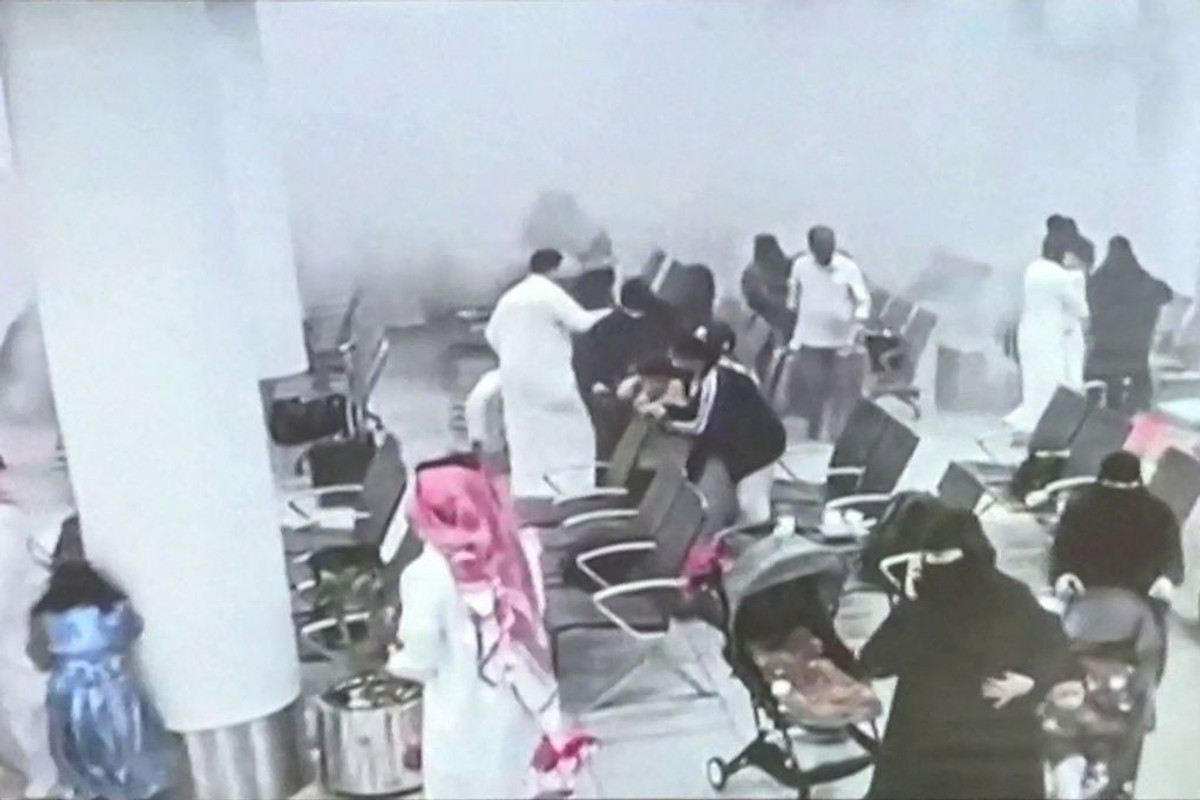
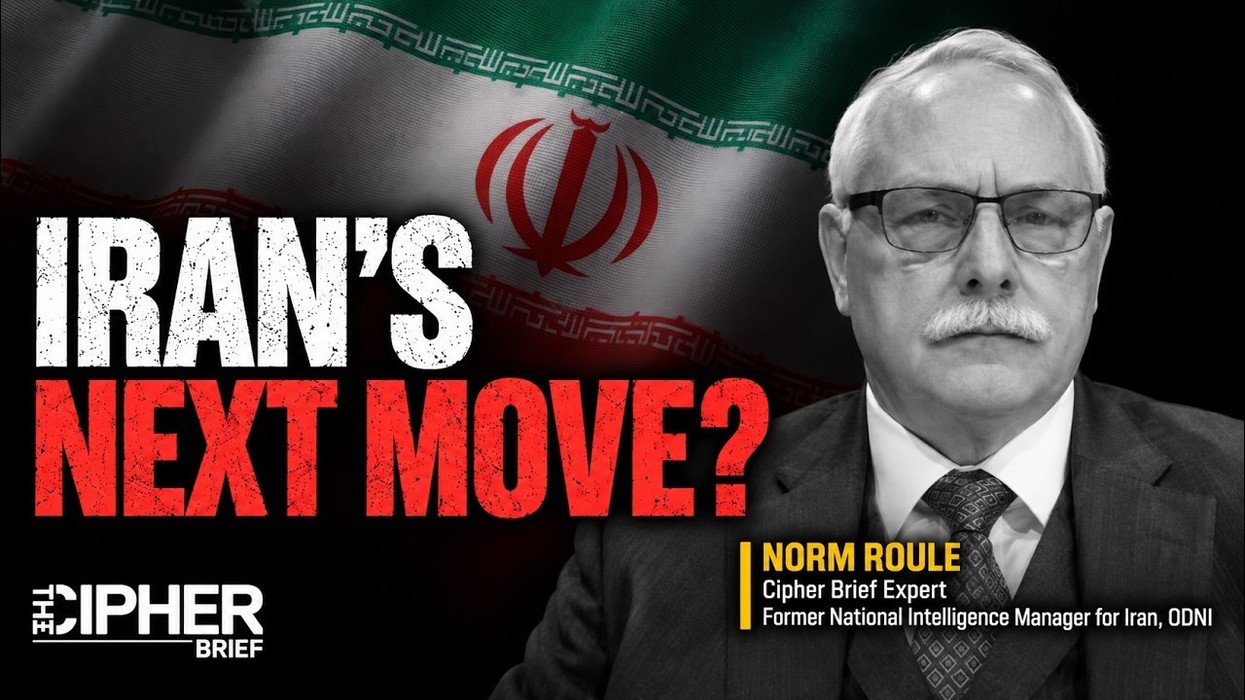
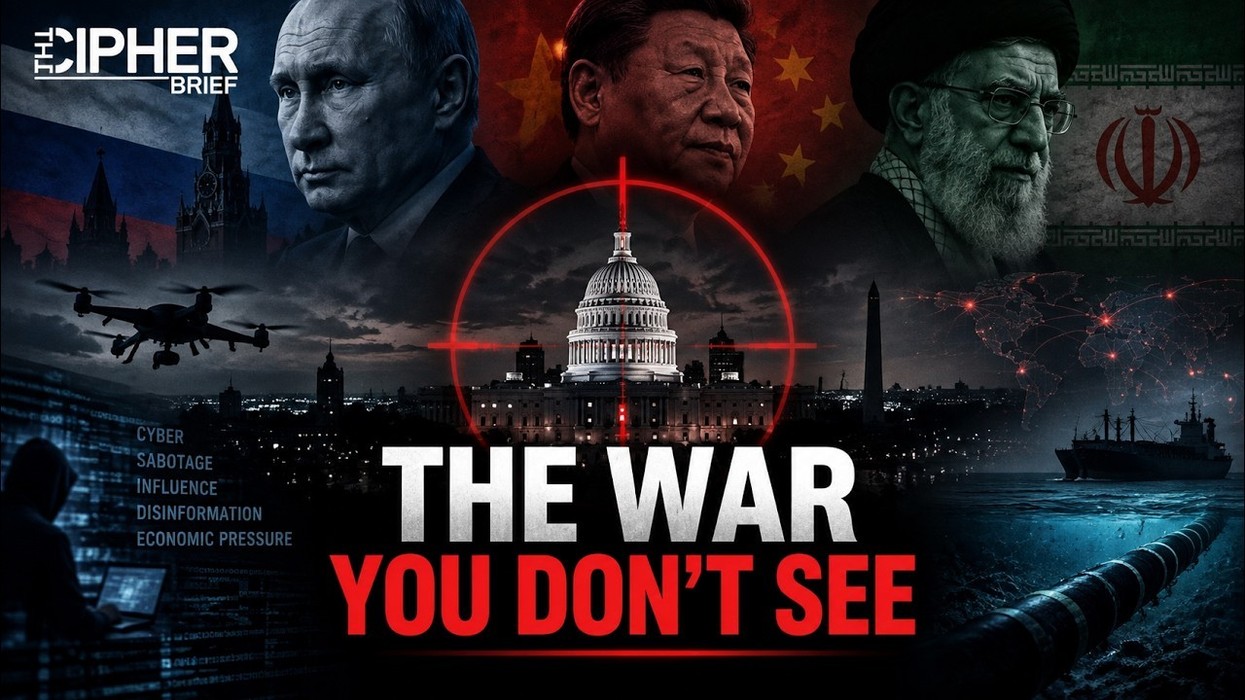
Moscow and Beijing’s shadow war: How Russia and China are keeping Iran lethal
From satellite imagery to MANPADs and BeiDou navigation, Moscow and Beijing are quietly sustaining Tehran’s ability to threaten U.S. forces.
The ceasefire between the United States and Iran is barely holding. Pakistani mediators are still shuttling between capitals, fighting has flared in [...] More
Global Intelligence Report for Tuesday, May 19, 2026
Trump delays Iran strikes at request of Middle East leaders, making room for “serious” talks
U.S. slaps sanctions on Cuban political, military leaders and state institutions
In closed-door talks, the U.S. demands a major role in Greenland
Risks of direct Russia-NATO clash are increasing, senior Russian diplomat says
Access Today’s ReportEvents
Live Events
2026 Threat Conference
Upcoming: 25 October, 2026
Popular
Sustaining Decision Advantage: The Case for Analytic Tradecraft Reform
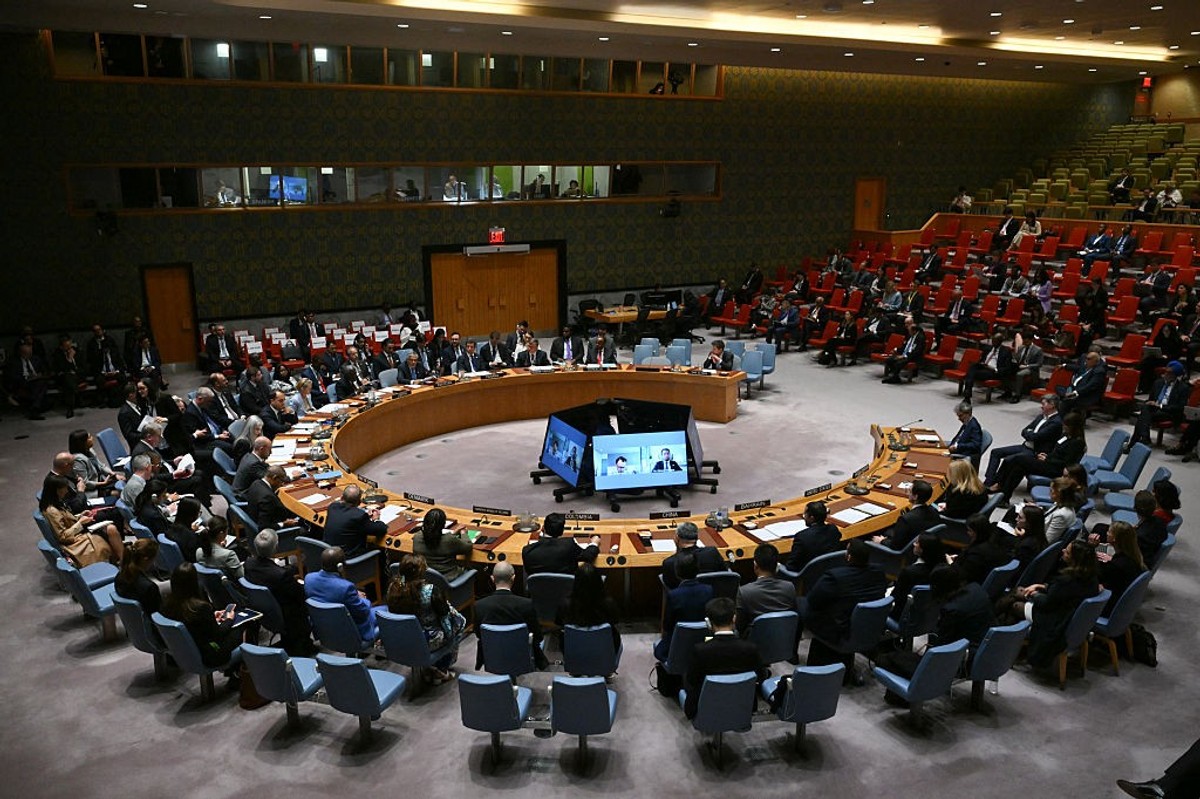
The Nuclear Arms Race Is Accelerating — and the U.N. Looks Increasingly Powerless
A Declining Demand for Strategic Intelligence? U.S. and Israeli cases
Podcasts
State Secrets
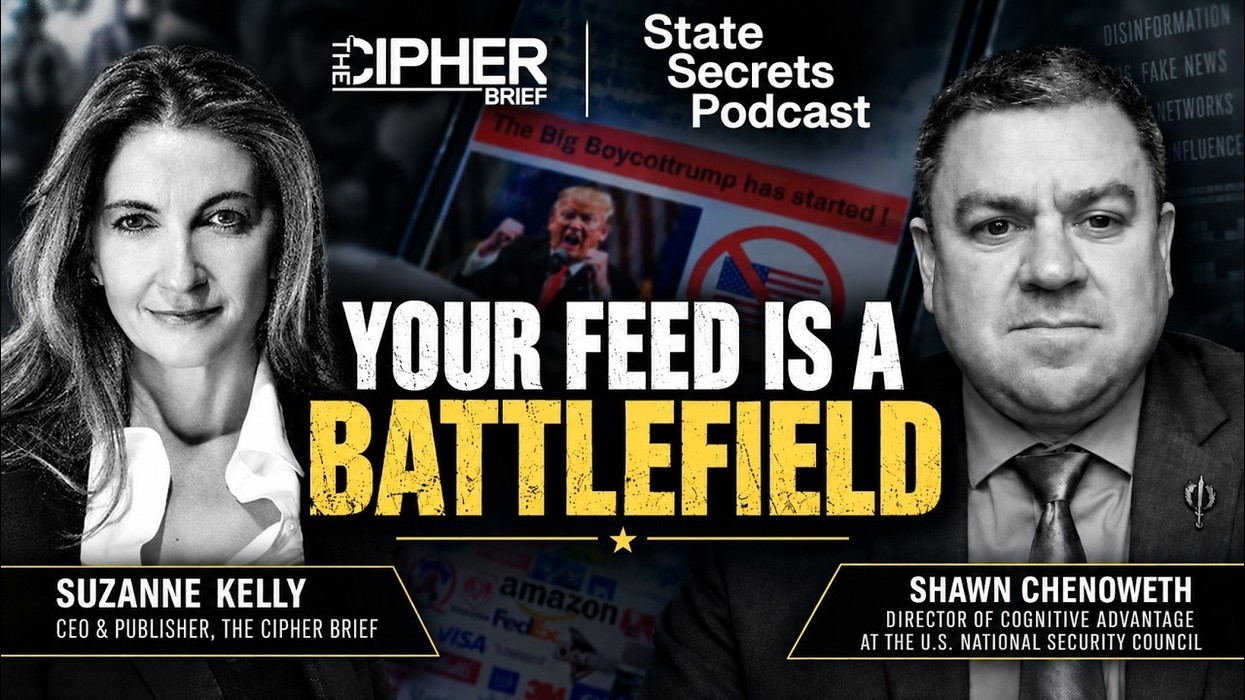
Former Australian Signals Directorate Director-General Rachel Noble joins State Secrets with Suzanne Kelly for a rare insider’s look at the cyber battles shaping modern national security. From China’s targeting of critical infrastructure to Russia, Iran, AI-enabled threats, offensive cyber operations and the power of the Five Eyes alliance, Noble explains why the next conflict may already be underway - inside our networks.
In this episode:
- Why the Australian Signals Directorate is one of the Five Eyes’ most important cyber and intelligence partners
- How China is pre-positioning inside critical infrastructure and telecommunications networks
- Why cyber criminals and state-backed actors are increasingly blurring together
- What Russia, Iran and China are teaching the world about cyber conflict
- How AI is accelerating both cyber defense and cyber offense
- Why private sector companies may now be the first line of defense in modern conflict
- What citizens can do to strengthen national cyber resilience
- Why intelligence agencies need to better explain their mission to the public
Become a Cipher Brief Subscriber+ for deeper national security insight from the experts shaping the conversation.
What the Experts Say
“I am struck by how comprehensive and thoughtful The Cipher Brief’s Open Source Report is. It is just as good as the President’s Daily Brief, having spent a decade reading the PDB. And it’s unclassified, too! I'm proud to be part of the network of experts at The Cipher Brief, which provides superb geopolitical advice and intelligence insights.”
The Cipher Brief has become the preeminent information platform for the national security community. I read it, I contribute to it, and I recommend it to military, civilian, and industry partners seeking the most up-to-date and expert analysis of the major issues facing the government, business, and others committed to the security of the nation.
"The Cipher Brief is my daily 'must read' for insightful coverage and analysis of national security events. I find the Open Source Report to be a key tool in assessing global geopolitical risk, and illuminating national security challenges in just the right amount of depth. It's the perfect balance. I can read it quickly, but step away feeling I have a solid grasp of the issues and implications. Thanks to the brilliant Cipher Brief Team! "
The Cipher Brief’s Open Source Report is an extraordinary product and an important daily read for situational awareness on national security issues.
For general inquiries please email info@thecipherbrief.com