
Skip to content
Search

Latest Stories

cipherbrief

Welcome! Log in to stay connected and make the most of your experience.

Input clean

The Cipher Brief: National Security news, analysis and expert commentary.
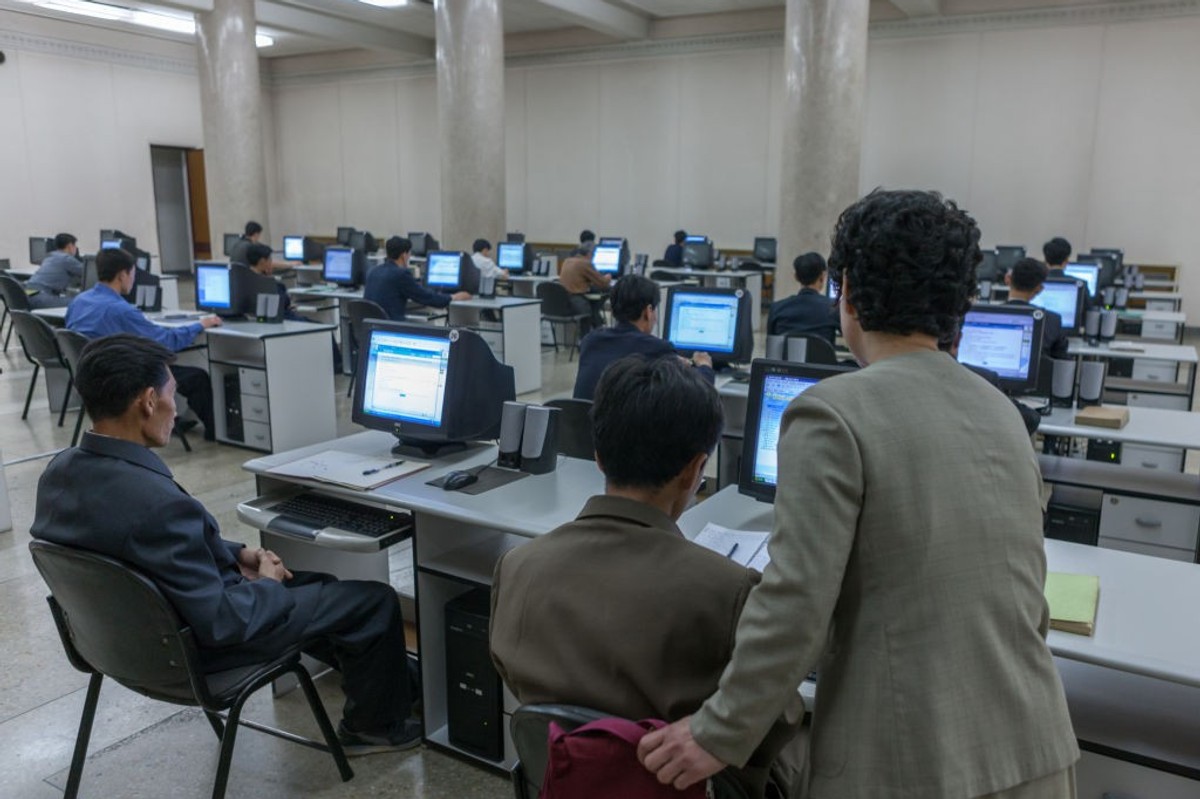
North Korea Is Outsourcing Its Cybercrime Empire: Here’s How

Weeks after the FBI tied a record $6 billion Binance heist to Pyongyang, researchers say the regime is hiring third country faces to get its operatives into U.S. companies

The software developer on the video call seemingly checks every box. He has a real face, a steady internet connection and a polished answer to every [...] More

Expert Insights

Cipher Brief Experts bring context to today’s global events

Opinion

The Navy’s Problems Come Into Focus at Hung Cao’s Confirmation Hearing

“We are facing a pretty historic drop in retention of our [Navy] pilots [for] our advanced fighter aircraft. We're looking at possibly 15 percent or more draw down, actually people just leaving to go to industry. My Chief [...] More

Opinion

The National Security Threat Hiding Inside America's Infrastructure

Between November 12 and 17, at least eight American systems failed. Microsoft 365 went down, in part because of a latent software bug dating from July. The Federal Aviation Administration ordered a nationwide ground stop [...] More

News & Analysis

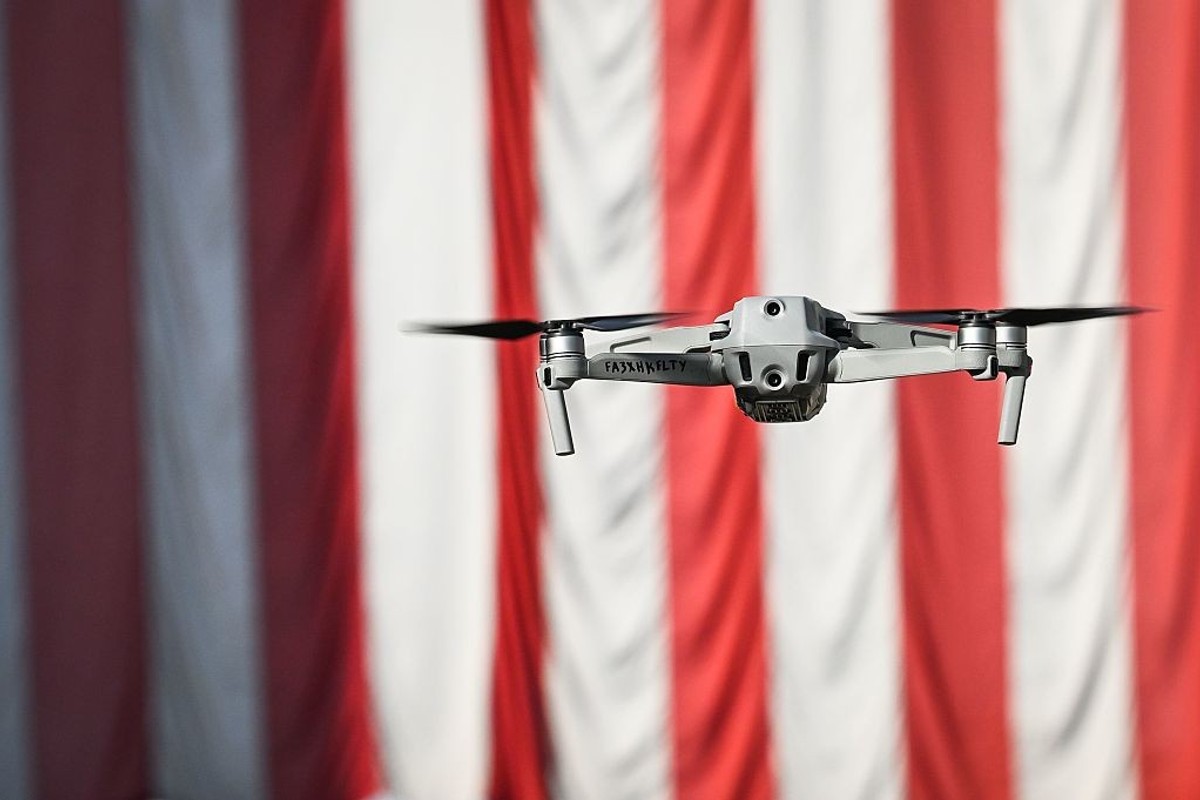
Drone in flight, Barre VT

What's Holding Back America's Drone Revolution?

Editorial note: This is the third in a three-part series from former National Geospatial-Intelligence Director VADM Frank Whitworth (Ret.) on the [...] More

Opinion

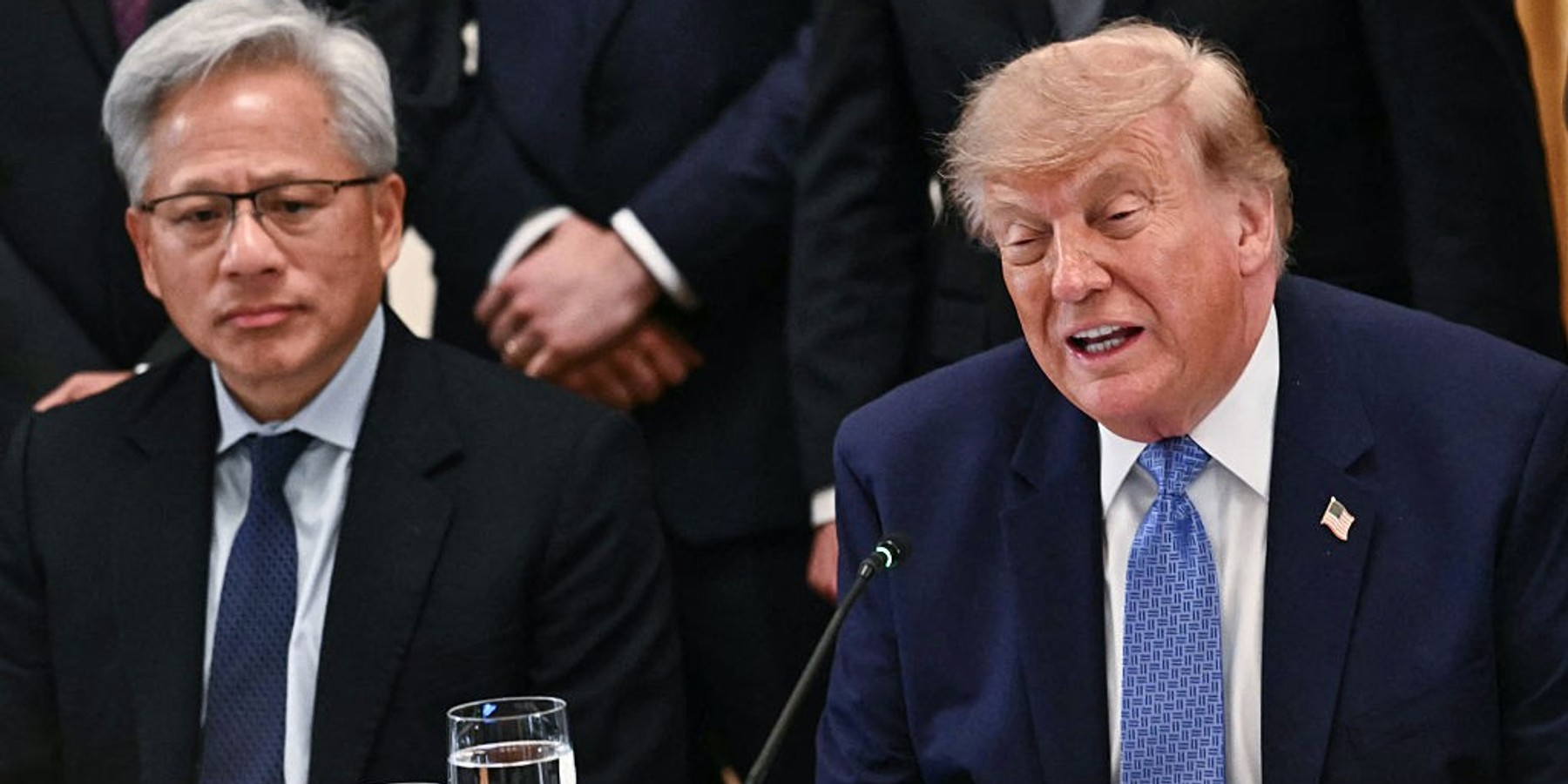
What the Nvidia Scandal Reveals About Modern Espionage

Espionage is often called the world’s second-oldest profession. Its overlap with the first has now reached the frontier of artificial intelligence. [...] More

What’s on The Cipher Brief’s Digital Channel

Book Reviews

PASS THE BUCK, HOLD THE BANG – UPDATE: Shortly after we reported that the Army planned to blow up nearly five tons of crystallized lead azide at the Iowa Army Ammunition Plant in Middletown, Iowa, the plan hit a roadblock. On Monday, President Trump took to Truth Social to say he had ordered the military to hold off until the 8th Circuit approves the disposal plan. AP reports the court blocked the EPA's emergency permit last week after environmental groups sued. The Army had planned to invoke an emergency exception and detonate anyway, until Trump snuffed out the burning fuze. The president also said Iowa's Democratic [...] More

Get The Drop

Events

Live Events

2027 Threat Conference

2027 Threat Conference

The Cipher Brief Threat Conference is the nation’s premier forum for non-partisan discussion of global threats and solutions as well as high-level [...] More

Previous Event: 25 October, 2026

The Cipher Brief 2027 HONORS Awards

The Cipher Brief 2027 HONORS Awards

Join us for the third annual Cipher Brief Honors Dinner, the evening of April 9, 2027. This Black-Tie event is invite-only. Please apply here for a [...] More

Upcoming: 09 April, 2027

Podcasts

State Secrets

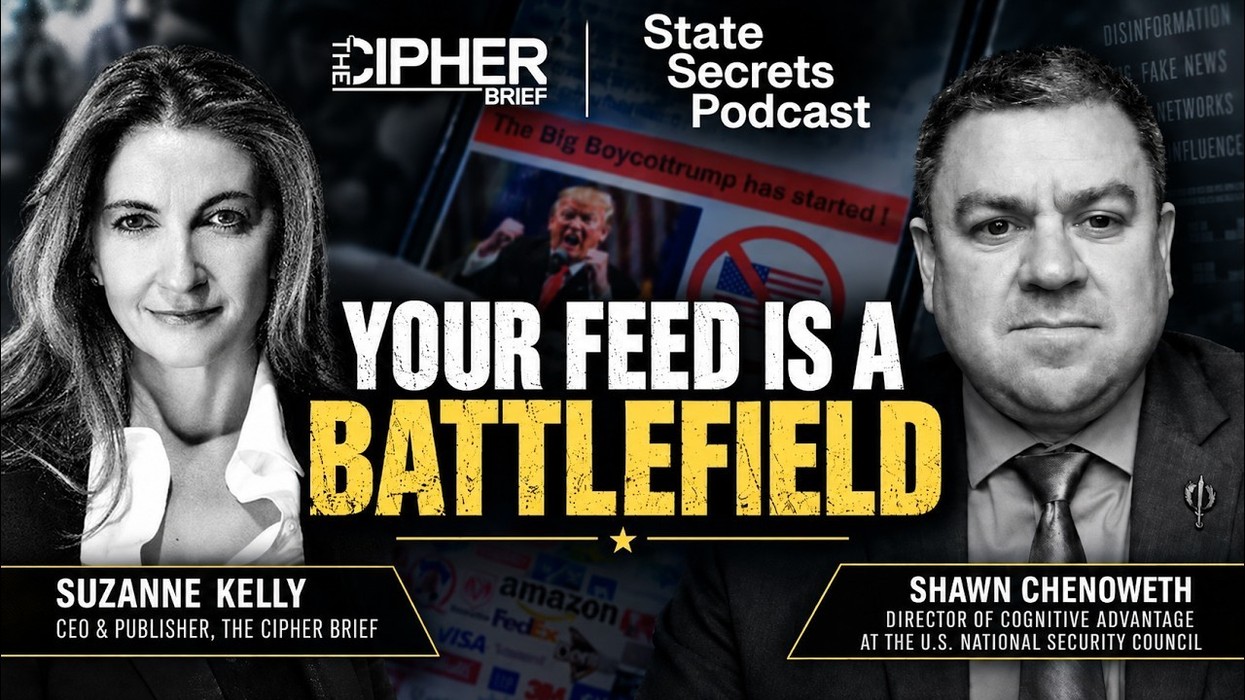
Some of the most consequential national security threats today aren't unfolding on traditional battlefields. They're taking place in the gray zone, where adversaries use disinformation, economic coercion, influence operations, and emerging technologies to advance their interests without crossing the threshold into open warfare.

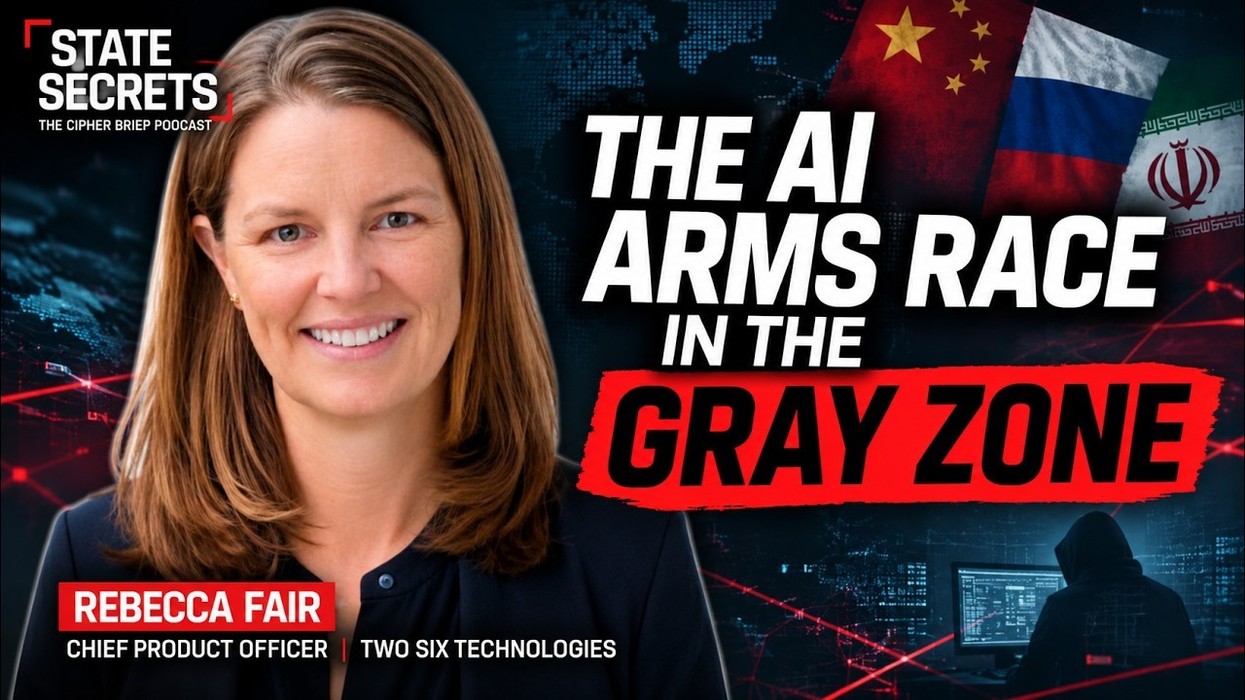
In this episode of State Secrets, host Suzanne Kelly sits down with Rebecca "Becky" Fair, a former CIA officer and Chief Product Officer at Two Six Technologies, to examine how artificial intelligence is transforming gray zone competition and what it means for U.S. national security.

Drawing on her experience in intelligence operations, international finance, and the private technology sector, Fair explains how China, Russia, and Iran are adapting their influence campaigns, why AI is making these operations faster and more sophisticated, and where the United States may be falling behind.

The conversation also explores the challenges of distinguishing authentic public opinion from foreign manipulation, the risks of using AI offensively in the information space, and why closer collaboration between Silicon Valley and the intelligence community is critical to staying ahead of America's adversaries.

So, can the United States adapt quickly enough to compete in a battlefield where speed and influence matter as much as military strength?