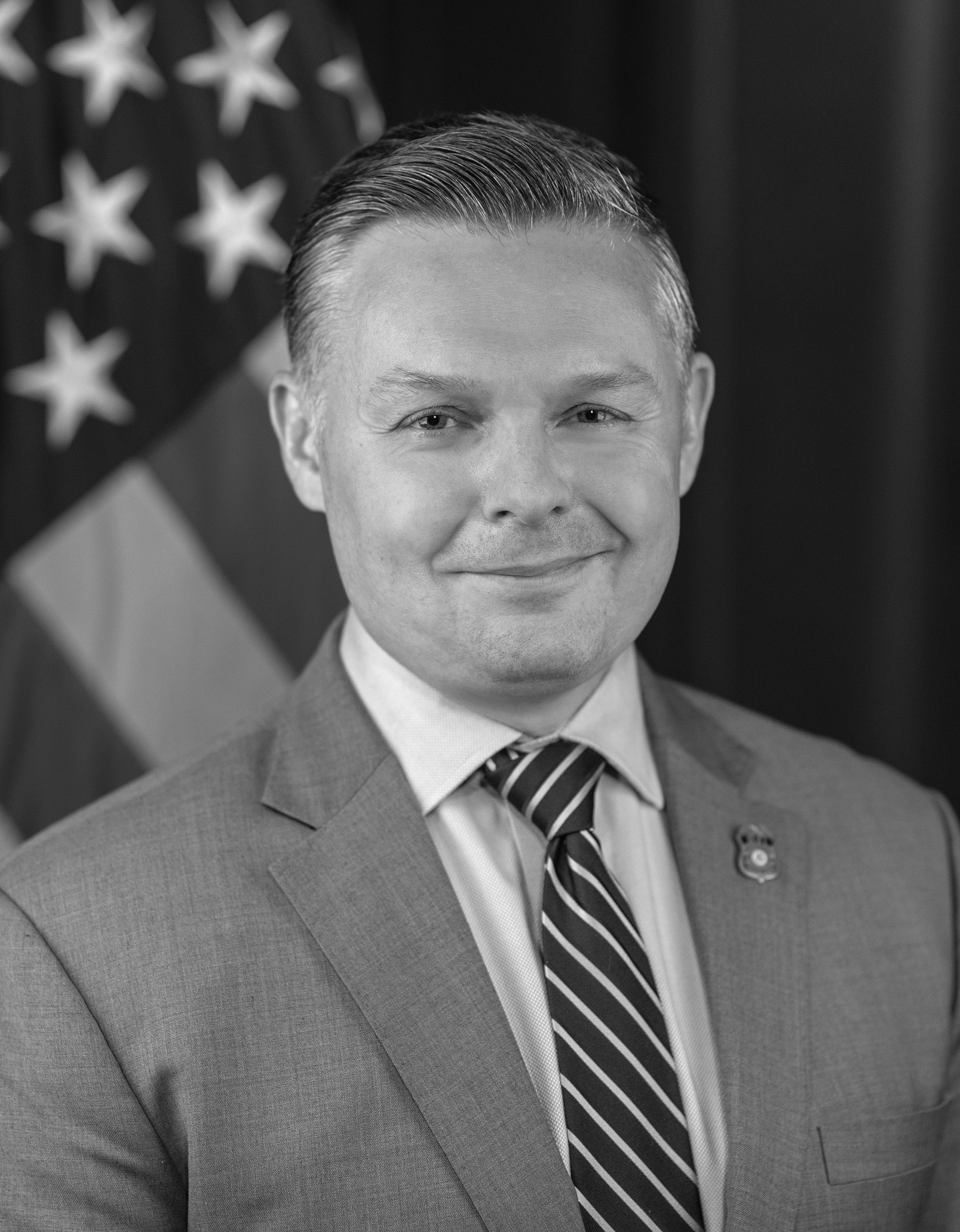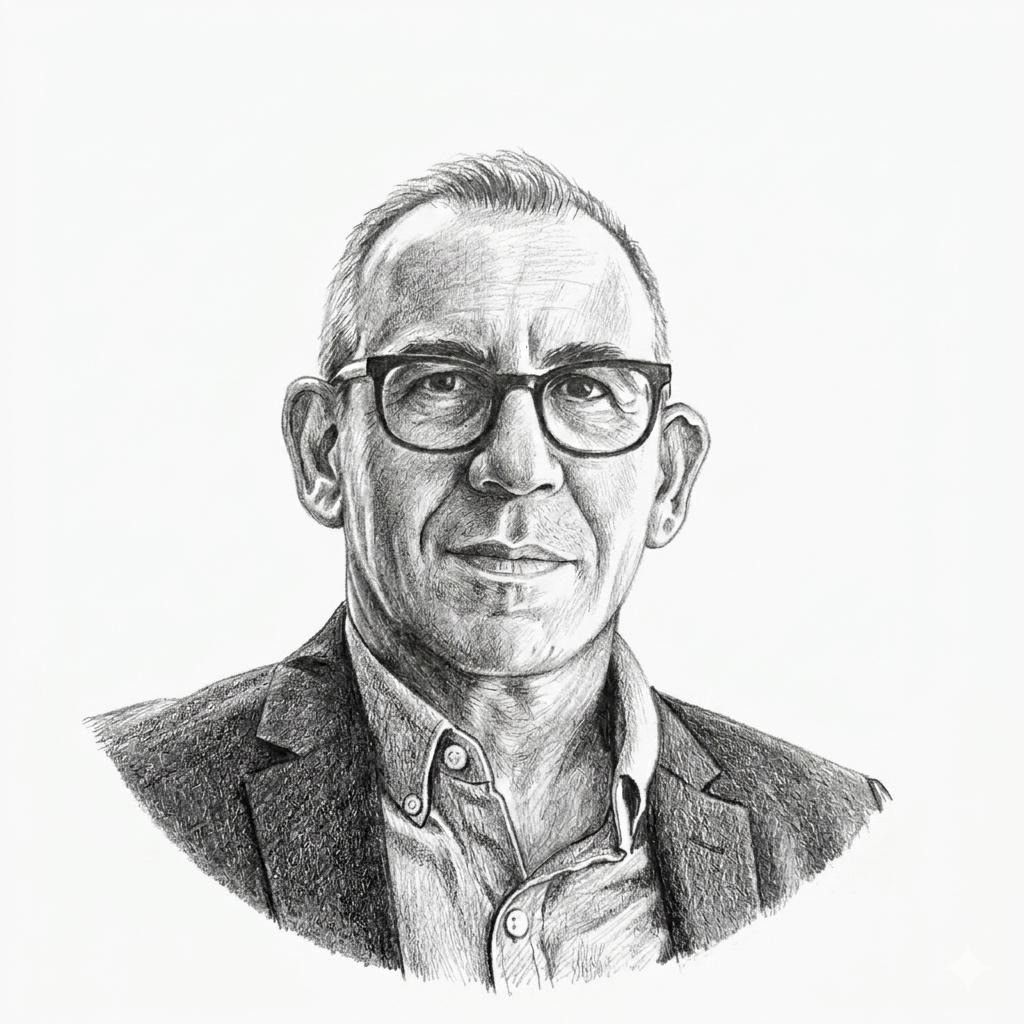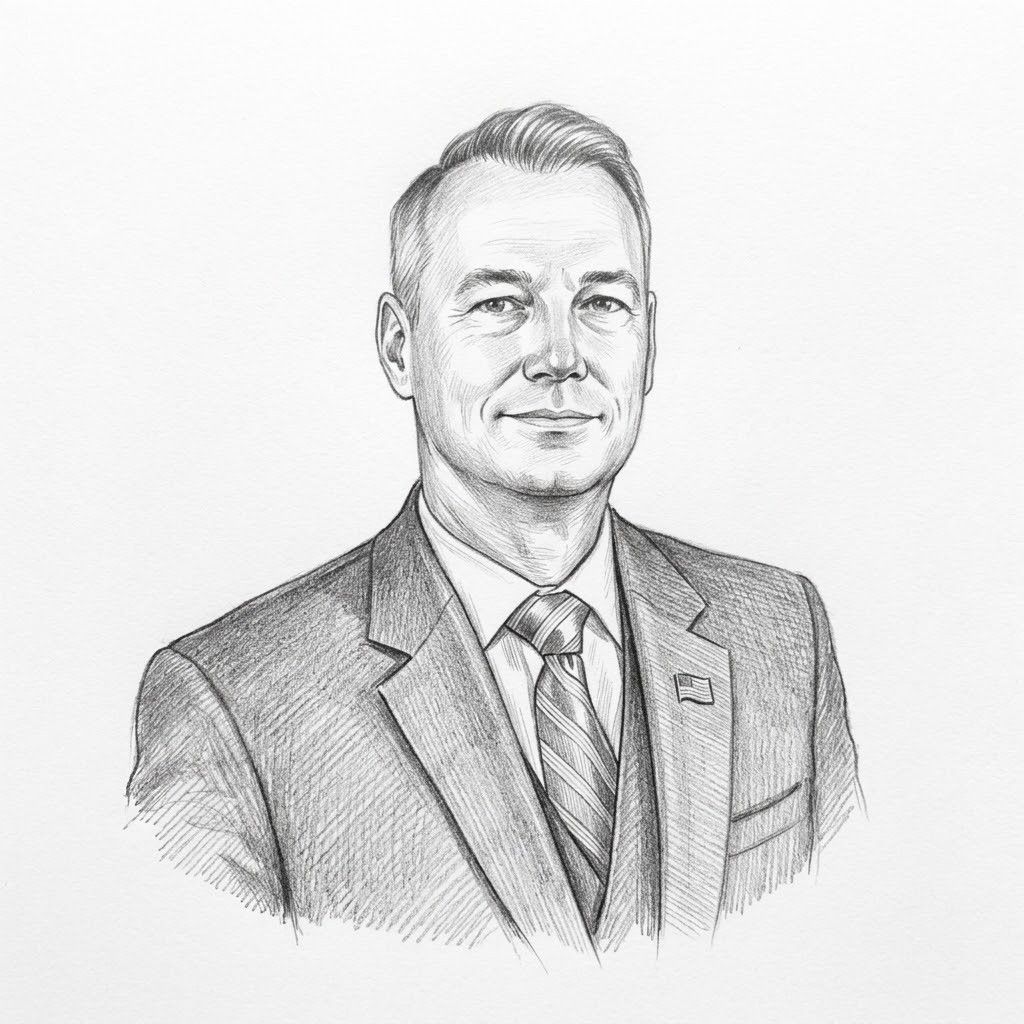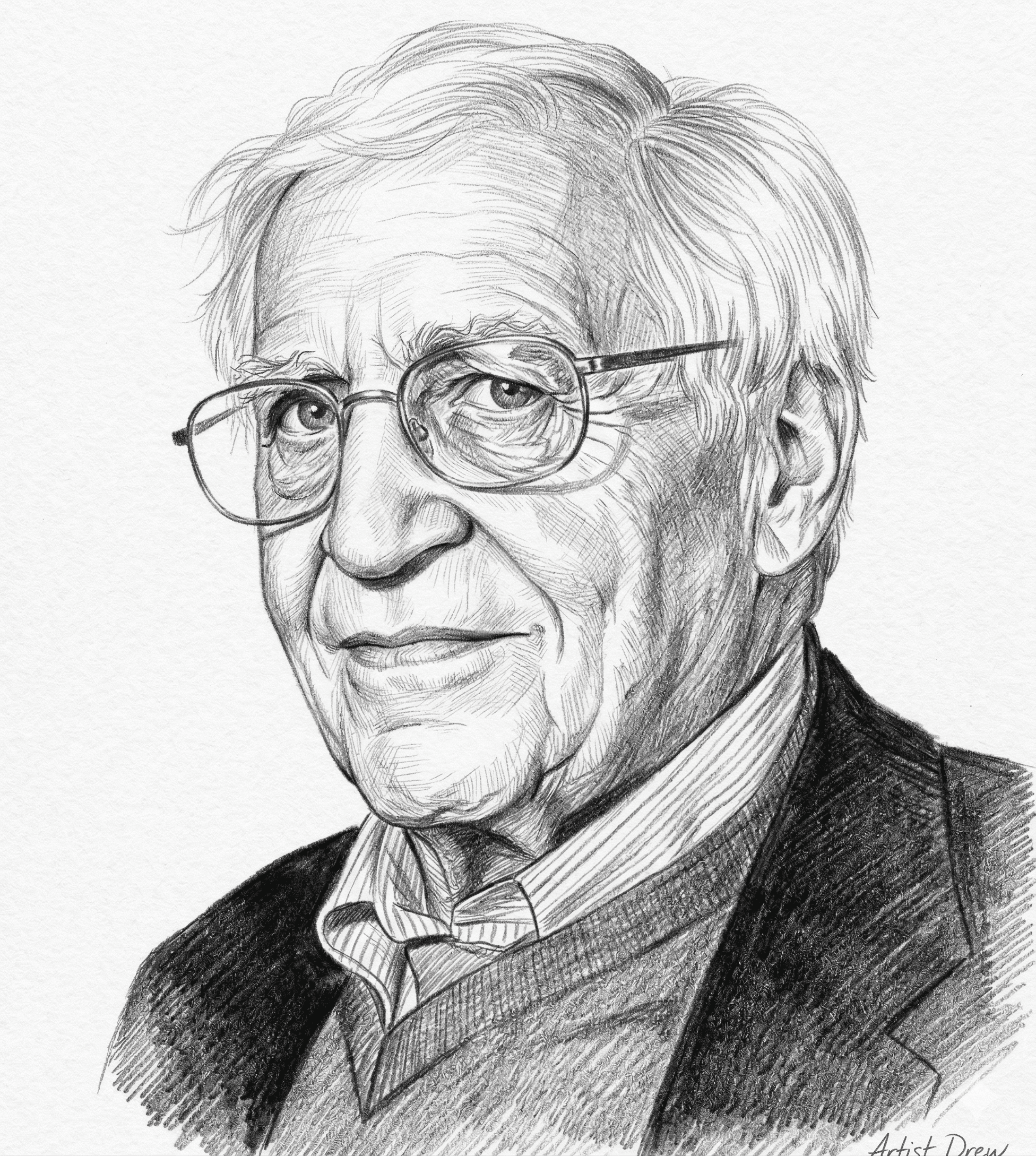

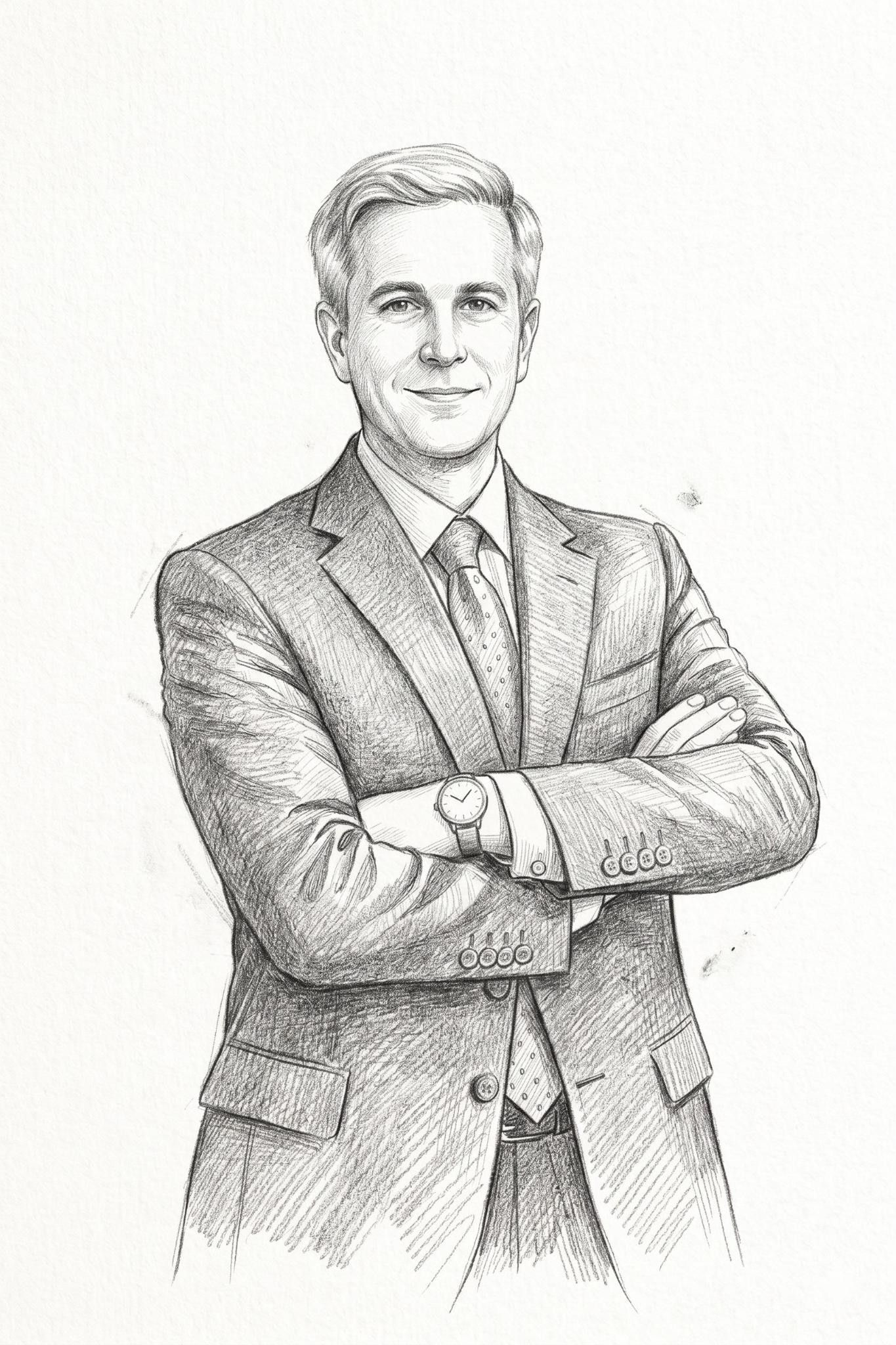
James Lawler serves as a national security consultant and is a noted speaker on the Insider Threat in government, academia and industry. He has been the guest on over ninety national podcasts specializing in intelligence and counterintelligence. His Insider Threat presentations have included Honeywell Corporation (twice a year since 2015), Salesforce, Abbott Laboratories, LinkedIn, Rice University (twice), Duke University, Harvard University, Syracuse University Law School, The LBJ School Clements Center for National Security (three occasions), CIA, DIA, NSA, NNSA, FBI, DoD, Office of Secretary of Defense, Joint Special Operations University, National Intelligence University (ten occasions), DEVGRU, DARPA, ARLIS, IARPA, National Defense University, The Institute of World Politics, Johns Hopkins School for Advanced International Studies (twice), and numerous times at Applied Physics Laboratory and all of the U.S. Department of Energy National Laboratories.
Prior to this, James Lawler served for 25 years as a CIA operations officer in various international posts and as Chief of the Counterproliferation Division's Special Activities Unit. He had five overseas assignments from 1982 to 1994.
James Lawler was a member of CIA's Senior Intelligence Service (SIS-3) from 1998 until his retirement in 2005. He was a specialist in the recruitment of foreign spies, and he spent well over half of his CIA career battling the proliferation of weapons of mass destruction. As Chief of the A.Q. Khan Nuclear Takedown Team, which resulted in the disruption of the most dangerous nuclear weapons network in history, James Lawler was the recipient of one of the CIA's Trailblazer Awards in 2007, marking the 60th anniversary of CIA.
In 2004, former DCI George Tenet sent Mr. Lawler a note which stated, “Jim, what you and your team have achieved will rank up there as one of the most spectacular intelligence accomplishments in the history of the CIA. It occurred because of your exemplary leadership. Not only are we in the process of taking down a network, we are also in the process of disarming a country as a result of your fine work. With respect, George J. Tenet”.
And former DDCI John McLaughlin noted that the effort was “the closest thing I’ve ever seen to a perfect intelligence operation.” James Lawler also received the Director's Award from Director of the CIA George Tenet, the U.S. Intelligence Community's HUMINT Collector of the Year Award, and the Donovan Award from the CIA's Deputy Director of Operations.
Let's hear his story:
EMK: Jim, you’ve written three spy novels already, they have been approved by the CIA Prepublication Review Board of course, and they are very, very interesting. I assume that, omitting real-life names, places etc., you drew from your real-life experiences to write them?
JL: Yeah, I weave a lot of real-life incidents into my spy fiction and they're accurate and they're realistic because I've lived these things and so I fictionalize the time, the place, the people, of course, the nationalities. But they're highly accurate as if there's a movie going on in my head and I'm writing about something that either I did or some of my colleagues did, so I try and stick as close to reality as possible. I focus on the human angle and the human condition and to me, that's the most fascinating thing about spy fiction. Of course, the master was John Le Carre, who I just adore his fiction.
You also mentioned to me a while ago that you try to insert into your novels the agency’s first and foremost priority; to protect its people and its assets.
Absolutely, that's a sacred commitment. All three of my novels weave that into the story; that we will go to hell and back to try and honor that commitment to an asset, to one of our sources. All three of my books have that as a theme that we are going to go and try and keep our assets, our sources safe, yes.
Do you remember the first time you were asked to handle an asset? How old were you then?
I was on my first tour. I was, I guess, about 30 years old and so I had had a terrible first year. I hadn't recruited anybody and I was beginning to wonder if I was really good at this profession or not and had a lot of doubts. So, I got a classified message from Washington, D.C., from CIA headquarters, and they told me that there was going to be a big series of negotiations in another year where we were going to be negotiating with a certain foreign country.
A high-stakes national security treaty and we didn't have any sources on the side of the other country to tell us what their negotiating positions were, and therefore if you had any contact with anybody from this specific country who had the following type of access then we were encouraged to go out and develop a good relationship with that person, find out what they needed, see if there was any way we could recruit the person to be a source. So, I'd been in a ski class a few weeks earlier with someone who was from this country.
He had the access they needed so I began what we call the “developmental stage” of trying to build the trust, see what this person needed and then outline what we would call a “recruitment pitch” where we would propose that the person become a source for us and in return we would do things for them, some kind of financial compensation or something like that.
So, after a few weeks of developing the source, I decided I'm ready to “pitch” this person, but I was very naive, this was my first recruitment pitch, and I really didn't have a grasp of what this guy needed or vulnerabilities or anything like that as I should have.
But I thought I could just use the power of my personality and our friendship to persuade this guy to betray his country which is incredibly stupid and naive, but I thought I could do it. So, I wrote this proposal to CIA headquarters and obviously they were very desperate because they approved this stupid scheme of mine and so I took this guy to dinner and I pitched him and I remember he looked at me and he said, ‘Jim you and I are friends but what you're proposing that's morally wrong’.
That didn't sound good at that point, right?
No, of course not, and I tell you I've pitched probably 50 or 60 people in my career and he's the only person who ever posed a moral objection. The only one. Normally, if they pose an objection, what do you think the objection is?
Not enough money... I'm afraid I'm gonna get caught…
That's it, it's the second one, it's the fear. I had an African intelligence officer say, ‘Jim they hang people in my country for doing things like that’. He's right, they would. Although he didn't surprise me, this African intelligence officer, he said that ‘could I have a rain check’? I said, ‘what do you mean?” He said, ‘well my son is only three years old, and I don't need you now but in 15 years he'll be university age and I might need you then.”
Well, 15 years later he was posted to Washington and guess what? We cashed in that rain check and he needed us. But going back to where I've had my first big pitch and I've been turned down: We have a saying in the CIA's Directorate of Operations ‘that it's okay to be turned down but not turned in’. Meaning, what if this guy goes and reports this pitch to his ambassador and the repercussions could be very severe.
I neglected to tell you that the man I just pitched was the number two guy in the embassy. He was the deputy chief of mission, the ambassador's deputy.
I just pitched him, he's turned me down and this ambassador had a terrible reputation for being a hothead and a kind of a jerk and I could just envision him marching into our ambassador's office and screaming about what an outrage it was that young Mr. James Lawler, third secretary, had just propositioned his deputy to become a spy. I could see that happening and even though CIA headquarters had approved this, I thought they're going to cut me loose. They're going to wonder how I messed this up and I thought there's a good chance I'll be going home because this will be such a nasty diplomatic incident.
Well, after about two or three days, I worked up my courage to call this guy, just to see if he's mad or not. And so, I called him and I said, “You know, we really enjoyed, I really enjoyed that dinner the other night. I was thinking maybe this Friday night we'd go out and do it again one week later” and to my great relief, he didn't hang up in my ear but instead he said, “you know, Jim, I think you're, I was thinking the same thing. That would be good”.
So, I thought, “okay, fine”. I've got to meet this guy for the second time, you know, or, you know, one week after my failed pitch and my only goal was to smooth any turbulent waters to try and plead for mercy and say my words were taken out of context and I apologize.
I see where this is going…
But I never had to get to that because when we got to the restaurant and the waiter had dropped the menus off, the first words out of my friend's mouth, “Jim, that offer you made me last Friday, is that still good?” And I said, “well, I said, of course it is” and he says, “well, what you don't know was two days after our dinner, my wife announced that she wants a divorce and I can't afford to pay her the alimony to which she's entitled or put my two high school age boys in private schools when we go home next summer. And in my country, if you're not in a private school, you're not going to get a good education. I can't afford to do that. I can't afford to do that unless I accept your offer”, you know, with the consultant fee that I had promised. And he said, “I know it's morally wrong, but I don't have a choice”.
How did that make you feel?
I felt great. He explained to me at the very next meeting, he brought a whole stack of classified material to give to me and he said, “Jim, let me now tell you why I'm really doing this”. He said, “I hate my ambassador”. He said, “that guy steals the credit for everything I do and everything everybody else in the embassy does. And he goes around this country, you know, acting as if he's God's gift to my country”. And he says, “I hate the guy. And so, as I hand you this classified material, it's as if I'm kicking that son of a bitch in the face”.
And so, I took it from him, and I said “you and I are on the same team. Bring me some more of this and let's kick that son of a bitch again”.
So, one of the prime motivators for espionage is somebody needs revenge. They've been dissed; they've been treated poorly. And so that's how they psychologically can cope with the fact that they're betraying a trust because they feel like they've been betrayed first.
What motivates someone to betray their country? You mentioned revenge. What are the other factors?
We have a very simple acronym at the CIA called MICE. That stands for money, ideology, coercion, and ego. And I will tell you that in my experience, nobody ever does it purely for money. Money may be a means to an end. In his case, he needed money because of his alimony requirements. He needed money for his children's education. But money by itself is not the prime motivator.
Tolkachev (GTVANQUISH) didn't do it for money.
Nobody does it just for money. Tolkachev didn't do it for money, Polyakov (TOPHAT) didn't do it for money. They don't do it for money. They do it for other reasons.
Now, I stands for ideology. And I've had people say, “well, I hate communism, or I hate nuclear weapons”. And that's true to an extent. I don't think they're lying to me. But I think by trying to pin their motivations for some noble reason, you know, ideology sounds very noble. That sounds better than saying, “I hate my boss”, or “I'm in trouble”, something like that.
Now, the C stands for coercion, which the Russians and the Chinese use a lot. You know, you've heard of the sparrows, the swallows, the extortion, blackmail, the honeypot. We don't typically use that. And the reason I don't like using it is because I don't want a rattle snake in my backseat as I'm driving down the road. I want somebody to be positively motivated and not be scared. But the most powerful of all of them is the E, ego.
And that encompasses revenge, it encompasses the fact that you've got marital problems, you may have a lover, you may have all kinds of issues, gambling problems, you may have problems with your boss, problems at work, all kinds of things. E is the most powerful motivator of them all. And I'd say most of the people I recruited, at the root of their motivation, ego was a big, big part of it, probably 90% of it.
To mention an example, Aldrich Ames, the worst espionage case in CIA's history was an E, correct? Because he had to take care of his [Colombian] wife's expensive lifestyle and his vices.
Absolutely. He was a very mediocre to poor operations officer. He was an alcoholic. He was a failure, basically. We don't recruit water walkers. We recruit people who are under stress, people who are desperate. I never once recruited a happy person. You don't recruit happy people. You don't recruit people at the top of their profession. You recruit people who are very unhappy and stressed out. And he was unhappy and stressed.
Same with [CIA’s] Edward Lee Howard
Ed was fired because he had drinking problems, substance abuse problems, and one time on an airplane, he ruffled a woman's purse and stole $20 because he was pissed off that her baby was crying. So, when she went to the bathroom, he stole $20. Now, he was fired. Well, he got back at us by contacting the KGB.
After he had been read into everything [he was going to be posted in Cold War Moscow]
Absolutely. He was the one that basically… what happened to Tolkachev was he [Howard] was going to be Tolkachev's handler. So, he knew Tolkachev's identity.
But an interesting thing was, I guess it was on my third tour, I was about to go off to a tour in Scandinavia. And routinely, when a CIA officer goes from one station to another station, headquarters will do a counterintelligence profile to see where you have been exposed before. And so, to let the receiving station know that Jim Lawler has been exposed to this or that, you know, type of thing. Well, my write up said basically, betrayed by the traitor Ed Howard.
So that was my friend.
He betrayed me to the KGB.
And that explains why I could never get any of the Russians to go out with me because they knew I was nothing but trouble.
So, in essence, you couldn't deal with Russians anywhere, in any part of the world.
Well, they knew better than to get close to me because each Russian residentura has a line KR, their counterintelligence guy. I'm sure they said stay away from Lawler. I was getting really close to one Russian when we were in Scandinavia. I kept bugging him to go out to lunch with me.
A few weeks after I was attempting to do that, another large Russian came up to me at a cocktail party and he kind of leaned in and he just casually mentioned that they knew where my children went to school. Would you like somebody to say that? I mean, basically, the fuckhead was he was threatening my family. And I said, “just leave my family out of this”. But they were giving me a warning to stay away from their people, you know, by saying, we know that your children go to the French school, which they did. And I thought, you know, “asshole”. I reported it, you know.
Until you switched to WMDs, would you say that you went through a process of being a little bit scared about the first time you tried to recruit someone, then gaining confidence, getting more excited, getting to like the game, the challenge of reading people's minds and making them do things they wouldn't normally do?
Absolutely. You get more and more used to it. Just like, you know, nowadays you're a journalist. I'm sure the first time you contacted a potential source, you got butterflies in your stomach and you're thinking, “okay, how do I persuade this person to give me some really juicy information?” And it's very similar. In fact, our two professions of intelligence officer and journalist are very similar. A lot of journalists become intelligence officers because they know how to approach sources. They know how to write well. They know how to communicate well. And that's exactly a lot of the same.
How to protect sources.
How to protect sources. Exactly. When you get a really good source and you write a really good story, it makes you feel good. Well, the same thing for me. If I recruit a really good source and I write something, write an intelligence report that makes a difference in national security, it really makes you feel good. You get that rush because nobody else got this. You're the one who first got the information. And that to me is the same kind of endorphin kick that a good journalist gets. They get a good source. They get a wonderful story.
You mentioned writing reports and - a lot of people don't know this - but a lot of your time as an intelligence officer is spent writing reports that are going to be read by the higher ups. So, you must get to the point and analyze the situation and inform the people above you whether it's the chief of station or the people in headquarters about what's going on.
Oh, absolutely. In fact, I mean, if you don't write reports, what's the point of recruiting a spy? Anytime you have an intelligence operation, the weakest part is communications. And if you don't have communications between you and your spy, your asset, you don't have an operation. But it's worthless if you don't report the information to headquarters. And then, you know, we have analysts that then write these things up for either the National Security Council or for the President or whomever. And so, there's no point in running the operation if you don't produce any written intelligence.
Talking about Russians. One of your colleagues whom I spoke to a few weeks ago… I told him I was going to interview you. He said, “oh, he's our Victor Cherkashin”. [And for those who don't know, Victor Cherkashin is a former KGB colonel who recruited both Aldrich Ames from the CIA and Robert Hanssen from the FBI]. A legend. So, knowing you, I know that you are a low-key guy, you're not the kind of guy who boasts about things. But what do you have to say to that?
Well, I take that as a real compliment whoever said that about me, because I have only the greatest respect for Victor Cherkashin. Like you said, he was the KGB colonel who basically handled both Ames and Hanssen. He was a brilliant Russian KGB officer. And I still quote him occasionally because he made the point that “it takes a spy to basically find a spy”. In other words, you must recruit a spy to find a spy. You know, the reason we're able to catch spies is because we recruit a spy on the other side. And he saw that because if you look at the two cases he handled, Ames and Hanssen, they [exposed] a lot of the Russians who were working for us.
Well, the Russians may not have found out who was working for us, had it not been for Cherkashin handling Hanssen and Ames. And so, I take it as a high compliment. And a lot of the counterintelligence things that we use are worthless. We really need a guy on the other side who says, “okay, your side has a problem and here's the problem's name, or here's what I know about the problem”, which allows us to narrow down, you know, who the suspects are.
I'm going to give you another compliment because as it happens, I've read Ursula Wilder's, one of the CIA’s most prominent clinical psychologists, original report [The Psychology of Espionage, 2003]. It's now been republished, partly redacted. A lot of the things that she's written about in her original 2003 paper echo what you tell me. And I wonder, did you ever feel that this kind of work, recruiting people, persuading people to betray their country, was kind of inherent in you, in terms of how you approach this, like you were meant to do that? Did you ever feel like this?
Well, came into this profession almost by accident, but I've always had the ability to communicate with people. And I have the greatest respect for Ursula Wilder. Strangely enough, I've never physically met the woman, but I know two of my very good friends, Dr. Kenneth Dekleva and Dr. David Charney, both of whom are forensic psychiatrists and both of whom are experts in the motivations for espionage. They have a lot of respect for Ursula Wilder. At some time, I really should meet the woman. But I think if I had not been a CIA case officer, I would have loved to have been either a psychologist or a psychiatrist, because I'm fascinated with the infinite variety of human motivations and human condition. And I think frequently I acted almost as a therapist for my assets. I had one asset once tell me, “Jim, when you're talking to me, it's as if my brain is in a warm waterbed”.
And so, I relaxed them. I got them to tell me everything that, you know, things they wouldn't tell their best friend or their spouse. And they also realized that I was not going to be judgmental and that I was never going to hurt them, that they could trust me. And so, I think I use a lot of the same techniques that my psychiatrist and psychologist friends use. But it just comes natural to me. I think one of my real rules in life is the golden rule that I treat other people as I would like them to treat me. And that comes across as sincere. And so, people do treat me.
Yeah, you can't fake that. That's true. While you were in the business of recruiting people for the agency you were always under diplomatic cover. Is that correct?
That's correct. Well, actually, 95% of the time. Occasionally, I would use commercial cover and an alias. I'd pose as a businessperson or something like that. But most of the time, I was under State Department cover, yes.
But when you didn't have a diplomatic passport, were you ever scared that something might happen, did it cross your mind? Because it's not for the faint of heart, right?
I think most case officers are basically adrenaline junkies. We like the thrill. If there was no thrill to it, it wouldn't be any fun. You know, if there was no risk to it. So having that extra little risk factor, I mean, I'm breaking people's laws. A lot of times, the countries I have been to, I was breaking their law by committing espionage or recruiting their people or something like that.
But it was the risk. The risk is what made it fun. And then figuring it out, how do I get to this person? How do I run this operation? Being resourceful, being creative, all of that, it was something that gave me a real thrill. So, I ever scared? No, not really. I mean, maybe I was being naive, but I wasn't particularly scared.
I mean, admittedly, I was rarely in an area that was dangerous or a war zone. Some of my colleagues risked their lives and have lost their lives in war zones. But, you know, typically I was going after, you know, white collar people that were in the same socioeconomic class as I was, persuading them to betray their countries and to commit espionage.
When you get there, when the show starts, the fear goes away and suddenly you feel like some sort of calmness in your mind, like you're in the zone or something. I don't know if that makes sense.
No, it does make sense. You become very focused. And whenever I was traveling to some of these countries in an operation, people have asked me if I went sightseeing or something. I said, “I'm not there to go sightseeing”. When I'm there in a country running an op, I'm not there to go sightseeing. I'm 100% focused on either going after somebody or meeting somebody, doing some operation, but you get in the zone or in the flow and then your nerves, you overcome that.
Right, and adrenaline is the most potent of substances.
Absolutely.
So, let's switch gears: How did you get involved with WMDs?
Well, I was posted to Switzerland and Switzerland has some of the best high technology in the world and it became apparent that some of the countries like Iran and Syria and some other countries were trying to get that high technology to either develop nuclear weapons programs or biological weapons programs. So, I started running a lot of operations against proliferators, people who were selling this high technology to countries like Iran and Syria.
And I had a lot of motivation to do this because I remembered reading a book when I was like about 14 years old called Hiroshima. And Hiroshima described the effects of the first atomic bomb. It was written by John Hersey, and it scared me because it totally obliterated the city, killed 140,000 people, and it cast shadows on a wall of three people who were basically in essence just disintegrated. It always stayed with me.
It motivated me to work against these countries that wanted to develop nuclear weapons. And I'm not against nuclear disarmament across the board because if the United States were to suddenly disarm, I guarantee you Russia and China would take advantage of it. But I largely abhor nuclear weapons. If I could push a button and every nuclear weapon on earth would disappear, I would do it. But that's not going to happen. So, I found a lot of motivation in working against WMD programs.
When you say WMDs, you not only mean nuclear weapons, but you also refer to nerve agents or other kinds of...
Biological weapons. Yeah, yeah. Chemical weapons are more weapons of local area destruction. They're not going to spread like biological weapons. But biological weapons are in many respects even scarier than nuclear weapons. Because for nuclear weapons, you always need either uranium 235 or plutonium 239, fissile material.
And a delivery device.
Right, right. And you need a lot of technology. But a biological weapon, the knowledge is really out there. And even somebody in a lab could develop a fairly effective biological weapon. We were all, the whole planet was a victim of a biological weapon when COVID hit.
I mean, that was in essence kind of a biological weapon. And you saw the millions of people that died and all the destruction that caused.
That's something to think about in the future because if you can create something like COVID, you can do worse things in the future as technology advances and AI gives you the tools to perform better research.
Right. I mean, with AI, AI could develop a deadly pathogen that we can't even dream of. So, it's very scary.
You did this kind of work, WMDs from 1994 until you retired, Jim?
Yes, that's correct. Well, actually, against WMDs from about [19]91 until I retired in 2005. Yes.
When was the first time that you became aware of the A.Q. Khan Network, the infamous Pakistani nuclear physicist who gave Pakistan the atomic bomb and proliferated the technology to other countries as well?
Well, he was known to the intelligence community as basically making possible Pakistan's nuclear weapons program.
But what we didn't know until my team discovered it was that Dr. Khan took proliferation private.
So, when he offered to equip Libya with a nuclear weapons program, that did not involve the Pakistani government. It was strictly Dr. Khan and his network. He basically took proliferation private for money. And he was going to equip Muammar Gaddafi with a turn-key nuclear weapons program. He had the diagrams and everything. And my team discovered what he was doing. And then we ultimately brought him down and stopped it.
So, not only did you stop him potentially delivering a nuclear weapon capability to Gaddafi, but to other countries as well, even though those countries moved on and he found other sources to sell his services to. I believe he was involved in the North Korean program and the Iranian program early on. Is that correct?
That's correct. That is correct. He was a very dangerous man. And whatever North Korea and whatever Iran has, [it] has its roots and assistance that they got from Dr. Khan. Yes.
This enters into classified territory. I'm not going to say or ask anything more about it. The story has been written. Praise has been given, deservedly so, to you and your team. You've been honored with the CIA's highest award, you and your team, the Trailblazer Award in 2007. And Director Tenet also gave you some very rare praise. How do you feel about that, by the way?
Well, I had a very good team working with me and for me. And I, no, I felt really good about it. It's just like when a journalist wins the Pulitzer Prize, you know, you're out there, you're developing your sources, you write a really great story. And I was fortunate; I was very fortunate. And I had a lot of support from the Seventh Floor, from Director Tenet. He was wonderful, best CIA director I ever worked for.
And he gave me a lot of leeway, a lot of room, and let me run that operation until we finally were able to bring these people down. And I think one of the nicest things I heard was a few years later after I'd retired, and it was during when Muammar Qaddafi was being overthrown in Libya. I think that was around 2012. One of the analysts came to me and he said, “Jim, did you ever think about the fact that if you had not stopped Muammar Qaddafi from having nuclear weapons, he would have used those on his own people and possibly against European countries as well as a diversion”.
And, you know, the weapon he had or wanted, the weapon he was going to develop that the A.Q. Khan network was giving him was the same yield as Little Boy that destroyed Hiroshima and killed 140,000 people. So, it was a proven weapon. The Pakistanis had tested it. It was a proven design. It would have worked. And I had not thought about that. So, when I feel good about that, I say this is psychologically righteous to stop a madman or some rogue country from having nuclear weapons. And that made me feel good. Yeah, it does make me feel good.
What can you tell us about the photo with you sitting on $1 billion in gold bullion.
I was posted to Switzerland. I was running a lot of things. I had some top-level contacts in some of the major Swiss banks. And one of my best contacts once asked me if there was anything, this is like two weeks before I was to leave, he says, “is there anything you haven't done in Switzerland yet that you would like to do?” And I said, “I would like to sit on a fortune of gold and have a cigar in my hands. And I'm going to put a put a caption that says, hell, I own this town”.
And the guy started laughing and he said, “I can make this happen”. And so, a few days later I was invited to visit this vault in which there were not billions, but trillions of dollars of gold. It's deep in the Alps. And I am sitting on one billion dollars in gold bullion. This gold bullion is what they call four nines pure, meaning it's nine thousand nine hundred and ninety-nine parts out of ten thousand pure gold. And so, the picture is me sitting on one billion dollars in gold. Recently I recalculated the value of the gold that I'm sitting on. And, you know, gold has appreciated in value. Well, today it would be worth twelve billion dollars. So, the picture is me sitting on twelve billion dollars in gold.
I'm going to ask you about what the former Deputy Director of Operations, Jack Devine, said. I don't recall exactly when that was, maybe 2016, 2015, somewhere in Europe. And I didn't know him back then. And for those who don't know who Jack Devine is, they should go to Amazon and have a look at a couple of his books. Anyway, he said that technology will never replace a human asset, mark my words. Do you think this is still valid? Because he said that before AI was a thing and all of that.
I agree with Jack. I have a lot of respect for Jack. He was [CIA] Chief of Station in London when I was running my AQ Khan operation.
I wasn't going to reveal that because I thought it was still classified. (laughter)
Okay. I said it. I mean, he was chief in London. I think it's a well-known fact that we have very close relations with the British. But yes, I agree with that. In fact, about six months ago, I had a professor from Stanford University and a retired military, retired army general, ask me how AI would affect human recruiting.
And I said, “I thought that AI would be a wonderful targeting mechanism. If we could scoop up everything that is out there about somebody, their financial things, their employment records, their mental health records. If you had an AI tool that could suck all of that up and combine it with all our classified holdings, it could then suggest certain routes, certain ways that a case officer could go and make a recruitment pitch”.
The targeting officers would have to put it together and use the AI. But it would be, you're not going to see the AI tool or the AI pitch somebody. That requires a human case officer looking into the eyes of their target and then using the route, perhaps, that the AI tool has suggested. So, it would make targeting much more comprehensive if I know everything there is to know or everything that's out there about somebody
It gives you an edge.
Oh, a huge edge, huge, huge advantage. So yes, I see that helping, but Jack is right that technology is not going to replace a human. You need humans. And that also goes for the spies we recruit. If I recruit a spy, I can then know what the plans and intentions are, which may or may not be in their cyber networks or anything else. Or they could have plans that they know they really can't do, but they've written this plan just to satisfy their leadership as an aspiration, even if it's impossible.
I've written about that on The Cipher Brief, about HUMINT: if you don't have the capability, for example, to be inside the Politburo of the Chinese Communist Party, you can't know when something is going to happen. You need to know when President Xi is going to say, “okay, tomorrow we invade Taiwan at 06:00 hours”. You need someone to tell you in code or through a burst transmission or whatever, it's happening tomorrow at 6 AM or whatever.
That's exactly right.
That's exactly right. Yeah.
The human to me, human sources, sure. Cyber sources, SIGINT sources, overhead [IMINT] sources, those are all good. They're all what I call a blended operation. When I was running my A.Q. Khan operation, I had human assets, I had cyber assets, I had overhead, I had all these things. It was like being a conductor at a symphony. You have the brass, you have the woodwinds, you have the orchestra, the chorus. You have all these things, and you must know when to blend in the different parts.
Last questions. First, are we going to see a fourth book soon?
Yes. Yes. I'm working on one right now with a very talented co-author named Johanna McCloy. Her father was a deep cover, what we call a NOC, a non-official cover officer [see Valerie Plame as an example]. She's the daughter of a NOC. We are writing it, we are alternating chapters to where I write my part from the point of view of a retired NOC officer, even though I wasn't a NOC, I was a handler. She writes it from the point of view of being a NOC's daughter. It's about this NOC. He's retired now for about a year and a half. He had some operations that never came to fruition the way he thought, and he calls them his loose threads. Well, suddenly the loose threads start to come together again, and it puts him and his daughter in great danger.
Sounds very interesting. I'm looking forward to that. I assume that by writing novels you don't miss the game much nowadays, do you?
Well, it's a substitute for the game. It's not as much fun, but that's one reason why I do it because I can't go out and recruit spies anymore, so I tell spy stories and create spy stories and delve into human motivations.
Exactly, and you educate people. When someone sees your resume, you've educated officers from almost every agency and every department that matters in the United States about this business. So, it's what you leave behind that matters.
I agree. I have a lot of students that still contact me and talk to me. I have taught thousands of people in CIA, DIA, FBI, Department of Defense, and I get a lot of satisfaction from doing that, and I still mentor a lot of young people who want to go into the intelligence community.
The Cipher Brief is committed to publishing a range of perspectives on national security issues submitted by deeply experienced national security professionals. Opinions expressed are those of the author and do not represent the views or opinions of The Cipher Brief.
Have a perspective to share based on your experience in the national security field? Send it to Editor@thecipherbrief.com for publication consideration.
Read more expert-driven national security insights, perspective and analysis in The Cipher Brief