
Skip to content
Search

Latest Stories

cipherbrief

Welcome! Log in to stay connected and make the most of your experience.

Input clean

The Cipher Brief: National Security news, analysis and expert commentary.
North Korea Is Outsourcing Its Cybercrime Empire: Here’s How

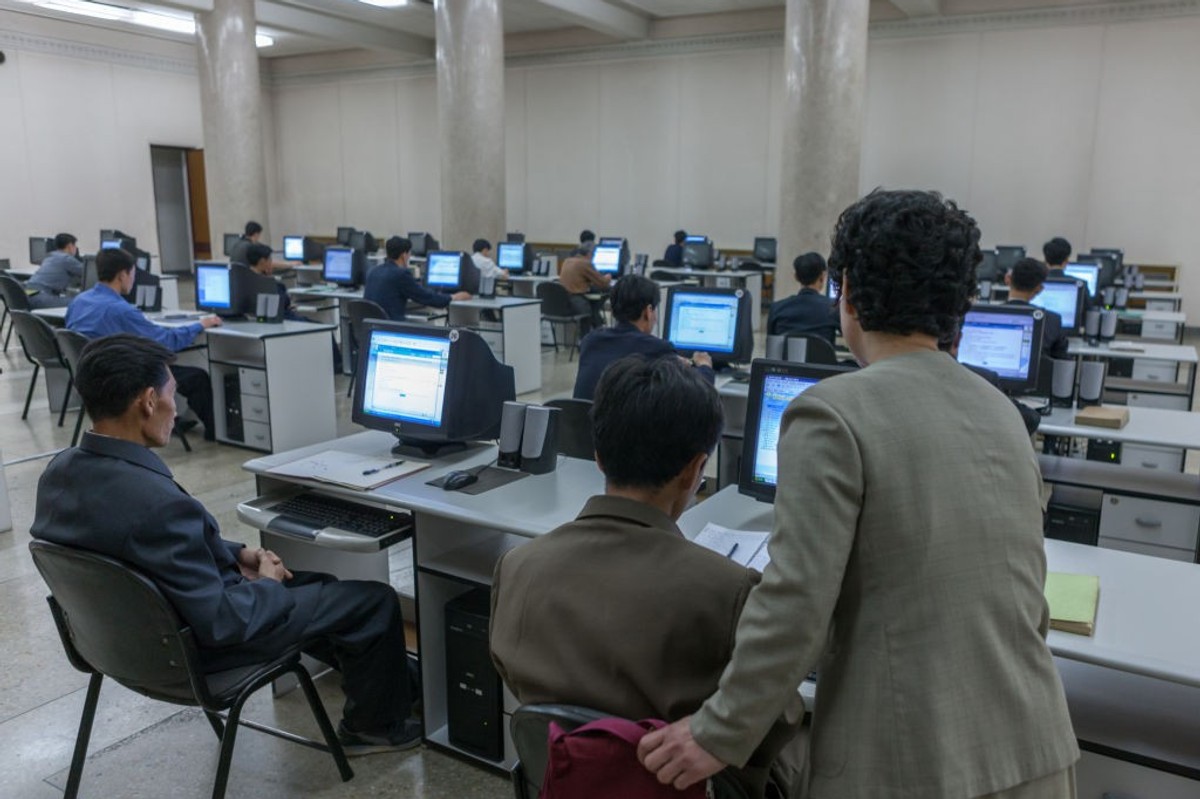
Weeks after the FBI tied a record $6 billion Binance heist to Pyongyang, researchers say the regime is hiring third country faces to get its operatives into U.S. companies

The software developer on the video call seemingly checks every box. He has a real face, a steady internet connection and a polished answer to every [...] More

Expert Insights

Cipher Brief Experts bring context to today’s global events

Opinion

The National Security Threat Hiding Inside America's Infrastructure

Between November 12 and 17, at least eight American systems failed. Microsoft 365 went down, in part because of a latent software bug dating from July. The Federal Aviation Administration ordered a nationwide ground stop [...] More

Opinion

Artificial Intelligence, Quantum Computing, and the Future of Digital Security

Introduction: Two Revolutions on a Collision CourseTwo technologies are changing the world at the same time. Artificial intelligence is already having a significant effect on business, science, intelligence, and military [...] More

News & Analysis

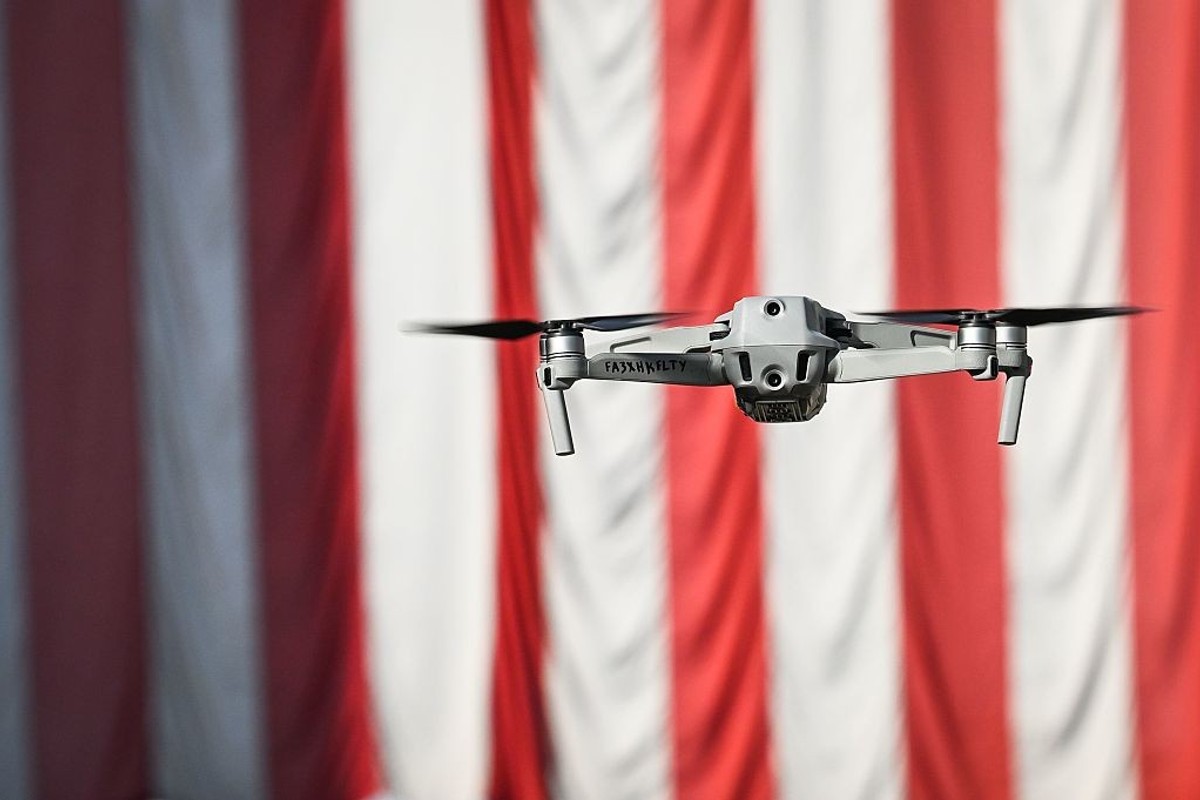
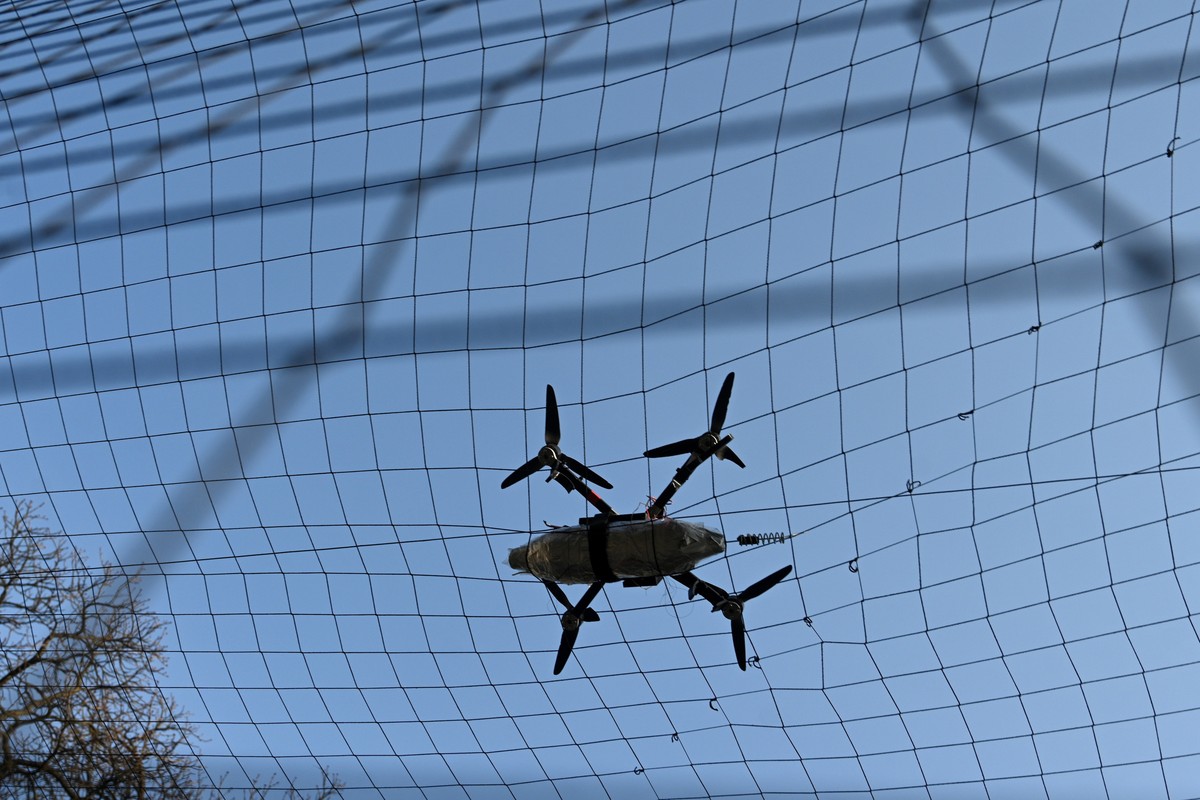
Drone in flight, Barre VT

What's Holding Back America's Drone Revolution?

Editorial note: This is the third in a three-part series from former National Geospatial-Intelligence Director VADM Frank Whitworth (Ret.) on the [...] More

Opinion

What the Nvidia Scandal Reveals About Modern Espionage

Espionage is often called the world’s second-oldest profession. Its overlap with the first has now reached the frontier of artificial intelligence. [...] More

What’s on The Cipher Brief’s Digital Channel

Book Reviews

NOT A LOTTA 'LEAD' TIME: Here's a fun fact: it takes about a thousandth of an ounce of lead azide to set off a detonator. (If you already knew that, we wanna know why.) Here'a another fun fact: the Army is estimated to have about 9,700 pounds of the explosive stored at the Iowa Army Ammunition Plant and it's reportedly coming up with a bang-up plan to get rid of it. Why? Because crystals have formed in the aging material, making it too dangerous to move, treat or even open, according to an Army spokeswoman who talked with The New York Times. The Army plans to blow it up inside its storage bunkers this week. Residents of [...] More

Get The Drop

Events

Live Events

2027 Threat Conference

2027 Threat Conference

The Cipher Brief Threat Conference is the nation’s premier forum for non-partisan discussion of global threats and solutions as well as high-level [...] More

Previous Event: 25 October, 2026

The Cipher Brief 2027 HONORS Awards

The Cipher Brief 2027 HONORS Awards

Join us for the third annual Cipher Brief Honors Dinner, the evening of April 9, 2027. This Black-Tie event is invite-only. Please apply here for a [...] More

Upcoming: 09 April, 2027

Podcasts

State Secrets

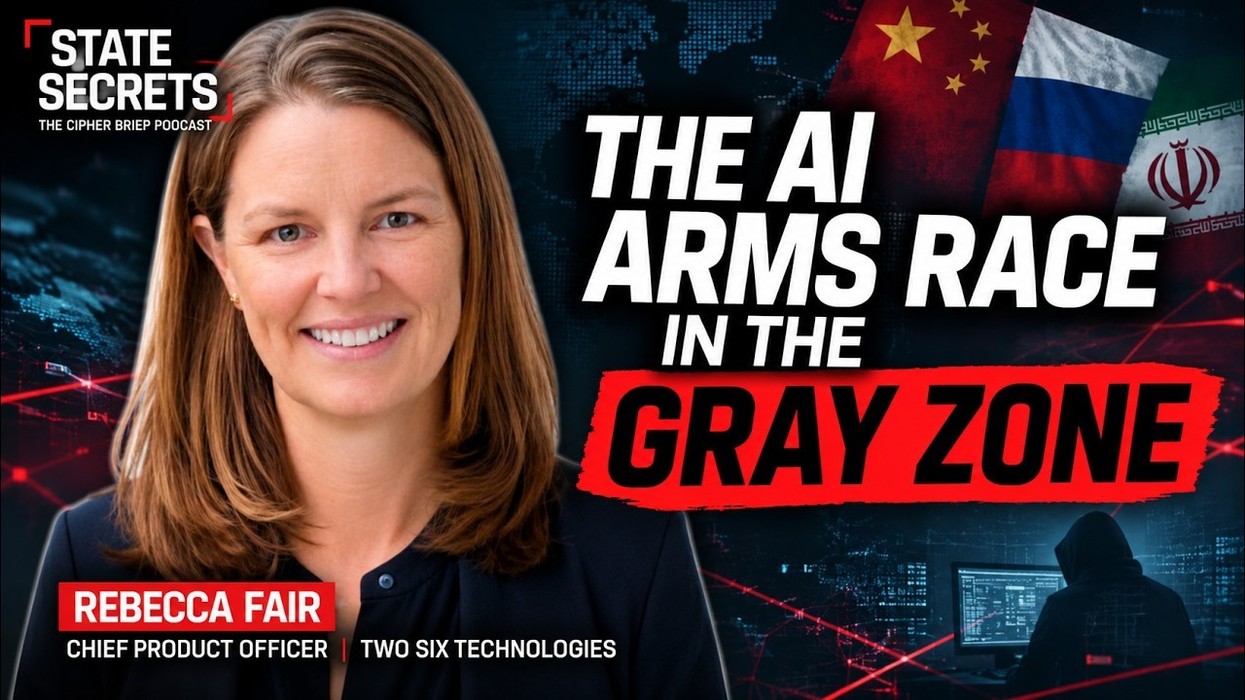
Some of the most consequential national security threats today aren't unfolding on traditional battlefields. They're taking place in the gray zone, where adversaries use disinformation, economic coercion, influence operations, and emerging technologies to advance their interests without crossing the threshold into open warfare.

In this episode of State Secrets, host Suzanne Kelly sits down with Rebecca "Becky" Fair, a former CIA officer and Chief Product Officer at Two Six Technologies, to examine how artificial intelligence is transforming gray zone competition and what it means for U.S. national security.

Drawing on her experience in intelligence operations, international finance, and the private technology sector, Fair explains how China, Russia, and Iran are adapting their influence campaigns, why AI is making these operations faster and more sophisticated, and where the United States may be falling behind.

The conversation also explores the challenges of distinguishing authentic public opinion from foreign manipulation, the risks of using AI offensively in the information space, and why closer collaboration between Silicon Valley and the intelligence community is critical to staying ahead of America's adversaries.

So, can the United States adapt quickly enough to compete in a battlefield where speed and influence matter as much as military strength?