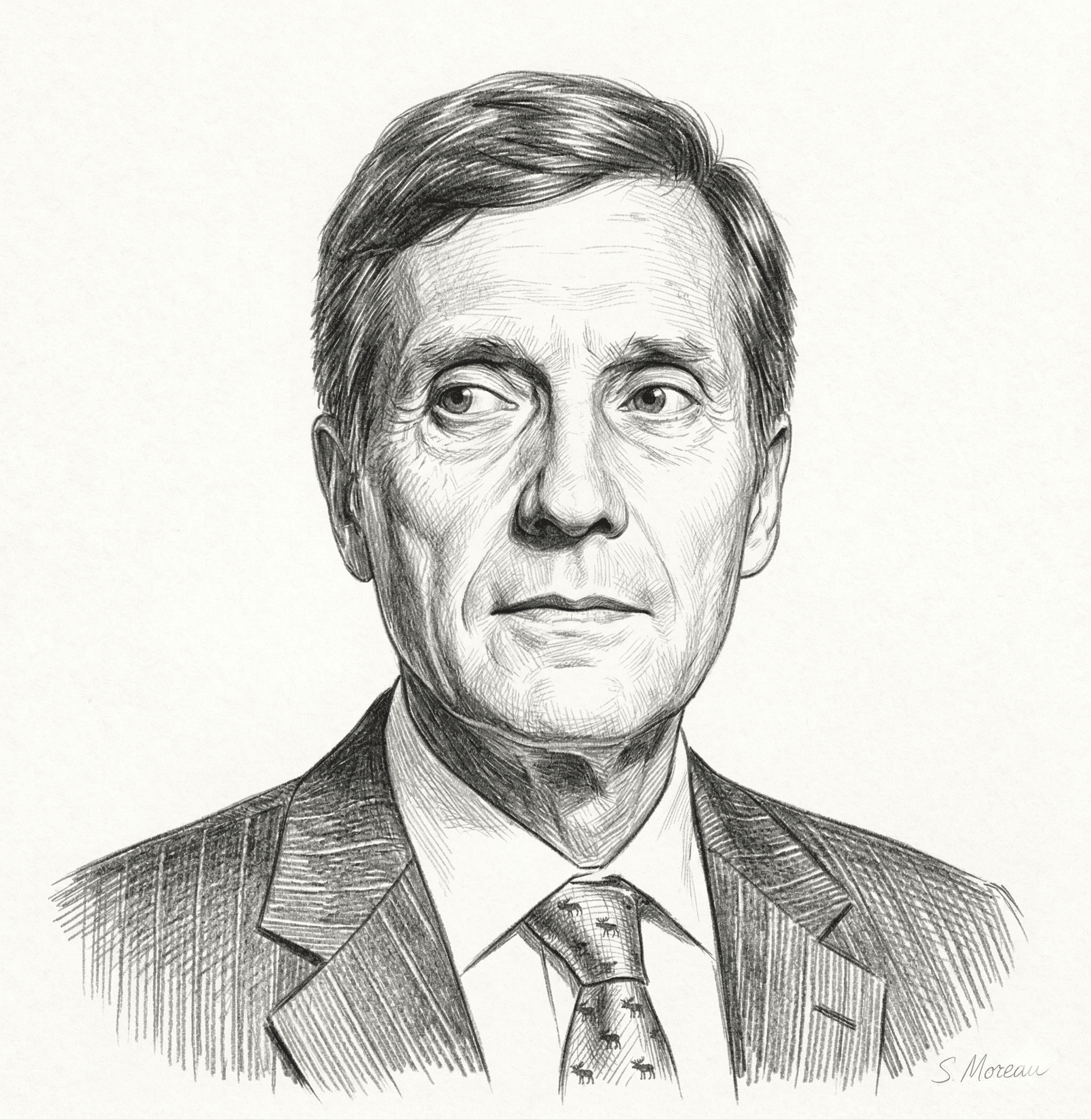

“The American people don't know what the heck we're fighting for in Iran. He's [President Trump] never made it clear. He changes his mind day-to-day and minute-to-minute. This war must end. It must end. And make no mistake, whenever Trump defies the will of the American people or the law, we will launch investigations, take him to court, and entangle him in legislative razor wire. The days of Trump's supplicant Senate are over.”
That was Sen. Charles Schumer (D-N.Y.), currently in line to be sworn in as Senate Majority Leader when the new Congress meets January 4, 2027, speaking last Wednesday about his plans for next year’s Senate.
The Schumer suggestion that when Congress convenes its 120th session next January, the chairman of a Democratic-run Senate committee could be initiating an investigation into President Trump’s Iran War took me back 58 years to 1969.
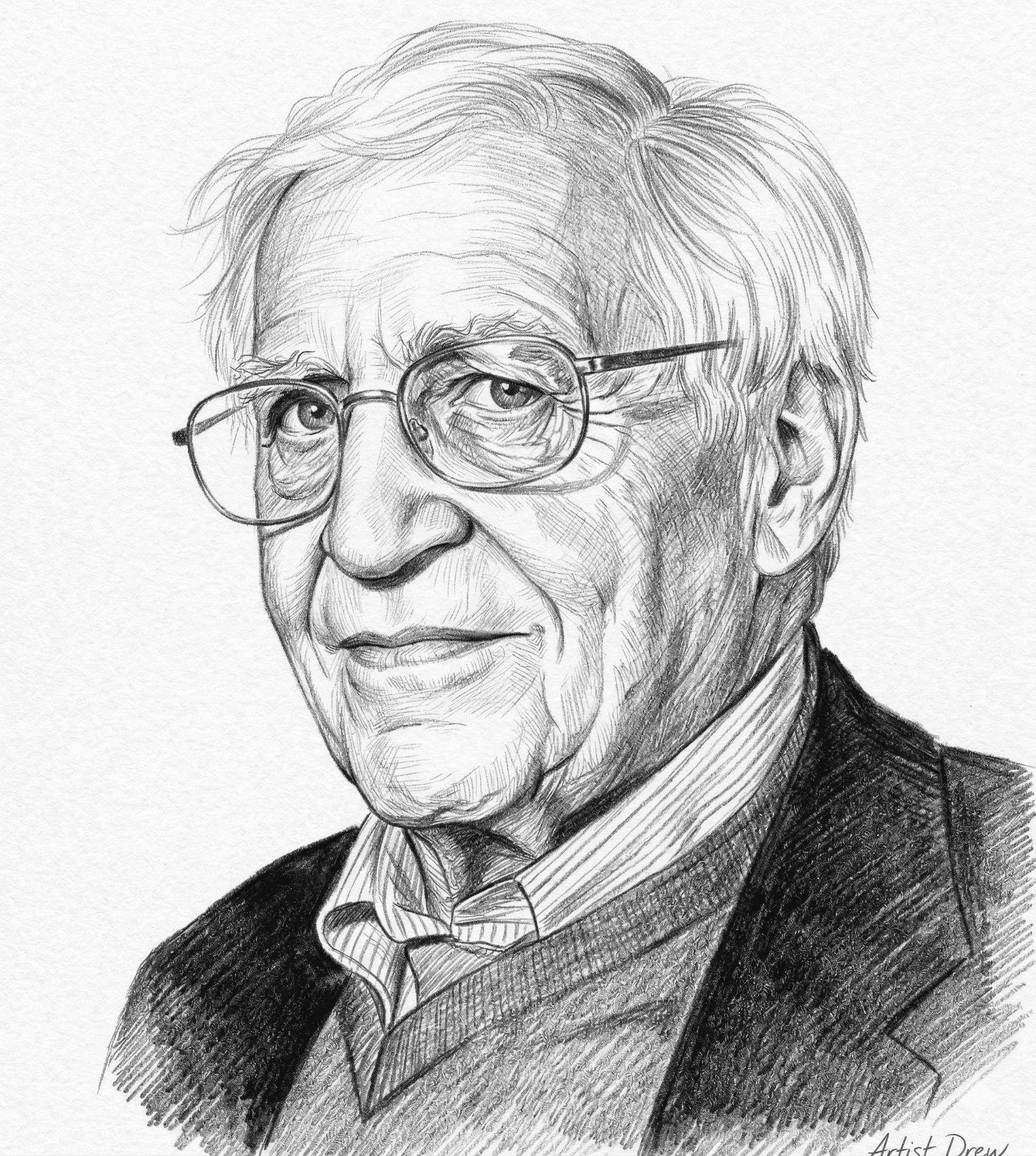
That was when I had been hired by then-Chairman Sen. J. William Fulbright (D-Ark.) of the Senate Foreign Relations Committee for 18 months to be chief of staff of an investigative subcommittee looking into U.S. military involvement in American foreign policy during the time of the Vietnam War.
A Fulbright subcommittee investigation back then was much different than those of more recent times – and I will explain further because I believe Senate Democrats now ought to begin planning something similar.
First of all, for the initial months, I and my one colleague – the subcommittee’s chief counsel – were to investigate. That’s correct – we two were the only staff members of the subcommittee. We did the investigating by traveling together overseas, first to Europe, then to the Middle East and finally the Far East. We stayed at military bases, got briefings, but also questioned not just service members from generals and admirals through enlisted non-commissioned officers, but also American ambassadors, other U.S. diplomats, and even CIA station chiefs.
I’m describing this get-out-of-Washington approach because some recent congressional investigative hearings have been done based on published or televised stories and not with original congressional on-the-scene inquiry. Also, now is the time for whichever committee or committees will be looking into the Iran fighting to have Democratic members or staff to begin gathering information.
For example, if I were putting this together, now would be the time for visiting the Gulf States, Israel, Jordan, Saudi Arabia and even Diego Garcia. Central Command at MacDill Air Force Base, Florida, would be another spot to visit. For example, if I were putting this together now would be the time for visiting the Gulf States, Israel, Jordan, Saudi Arabia and even Diego Garcia. Central Command at MacDill Air Force Base, Florida, would be another spot to visit.
For example, I would ask American officials in the Gulf about Trump’s Iran strategy and how it was working; find out about the Iran destruction to U.S. Navy Fifth Fleet Headquarters in Bahrain and should it be rebuilt; and what new protection should be prpared for remaining U.S. forces in the area.
Back in 1969, when each of these trips were over, we summed up in memos what we had found. We eventually developed and then scheduled a series of closed hearing covering several of the countries we had visited. We kept the original hearings closed because we knew classified information would be involved, some of which the committee would demand be declassified, but more on that later.
The purpose of the closed hearings was to make a record of the facts we already had gathered, both abroad and in Washington. It was not primarily to find new facts. Often, the Nixon administration supplied senior State Department and Pentagon witnesses and they would provide their explanations for the facts we wanted to make public.
However, in one case, our closed hearing on Laos in October 1969, where I had interviewed an Air Force liaison officer in Laos, who had first-hand knowledge of American pilots flying secret reconnaissance missions from Laos. We required he be brought to Washington to testify in person in order to have first-hand information.
I will add that while I was in Laos in summer 1969, I arranged to fly on such a mission so we knew they were taking place. But Fulbright and other Senators on the subcommittee wanted the information on the record from the original source under oath, since up-to-that time those flights were secret, even from the Congress.
However, one lesson for today’s incoming Democrat investigators, as indicated above, is get out of Washington to investigate the Iran war situation.
During two days of closed hearings on Laos, we put on the classified record that the U.S. not only had American pilots in Laos flying recon missions, but that CIA was supporting thousands of Lao Hmong troops that were fighting against both North Vietnamese and Pathet Lao forces who were bringing military supplies into South Vietnam for the Viet Cong communist rebels.
After the closed October Laos hearings, Fulbright and other subcommittee members became concerned that the Nixon administration might expand the war by sending U.S ground combat troops into Laos.
In a televised press conference on December 8, 1969, President Nixon said there were "no American combat troops in Laos." But Nixon acknowledged for the first time that the U.S. was engaged in interdiction of the Ho Chi Minh Trail from North to South Vietnam-"as it runs through Laos."
Fulbright and other Senators decided to try to use Nixon’s words as a basis for an amendment to the Fiscal Year 1970 Defense Appropriations Bill, when it came up in the Senate. Fulbright then arranged for a closed session of the Senate on December 15. 1969 so the classified material from the closed October hearing could be discussed on the Senate floor. In the secret Senate session, only Senators and a handful of staff members were present.
The outcome of what was a secret three-hour debate, was passage of an amendment to the Defense bill, by a 78-to-11 vote, that said, “In line with the expressed intention of the President of the United States [Richard M. Nixon], none of the funds appropriated by this Act shall be used to finance the introduction of American ground combat troops into Laos or Thailand” – the latter country being added because some U.S. Air Force aircraft were operating from there along with American Army training units.
The Laos/Thailand amendment was accepted by the House and became law when the overall Defense Appropriation measure was signed by Nixon.
Another lesson for today: If you want to end or limit U.S. fighting in Iran, try to write legislation built around something the President has said or done.
Back in time, it was not until April 19, 1970, that the declassified Laos subcommittee hearings were made public, but only after time-consuming and often frustrating negotiations because there are no rules – nor limits – on what can be classified.
First, the State Department had to circulate the classified material to other government agencies that had a stake in the material. Then State delivered to the subcommittee the administration’s version of what in the hearing transcript could be released to the public, blackening out what they felt should not.
Thereafter, my colleague and I went over what was to be withheld, and picked out what we disagreed with. Then began a series of negotiations since, as we found out, classified material was in the eye of the beholder.
For example, I often found the same information State wanted to keep classified had already been made public. I was then told by State’s negotiator that it hadn’t been previously disclosed by an “official government release,” and therefore it should remain classified.
In one case, State had wanted to keep classified that during a hearing Sen. Fulbright had called the head of an allied government “a crook.” State’s argument was to make that public could cause the U.S. an embarrassment. Eventually it was published.
Next January, the Democratic members of the new Congress will each have some power to effect the last two years of the Trump administration just by speaking out; the Democratic chairmen of House and Senate committees and subcommittees will have even more power through hearings and speeches.
As someone who years ago saw, first-hand, congressional power exercised, I know the upcoming Congress could have an enormous influence on directions this country takes in the coming year if that legislative power is used aggressively and wisely.
The Cipher Brief is committed to publishing a range of perspectives on national security issues submitted by deeply experienced national security professionals. Opinions expressed are those of the author and do not represent the views or opinions of The Cipher Brief.
Have a perspective to share based on your experience in the national security field? Send it to Editor@thecipherbrief.com for publication consideration.
Read more expert-driven national security insights, perspective and analysis in The Cipher Brief